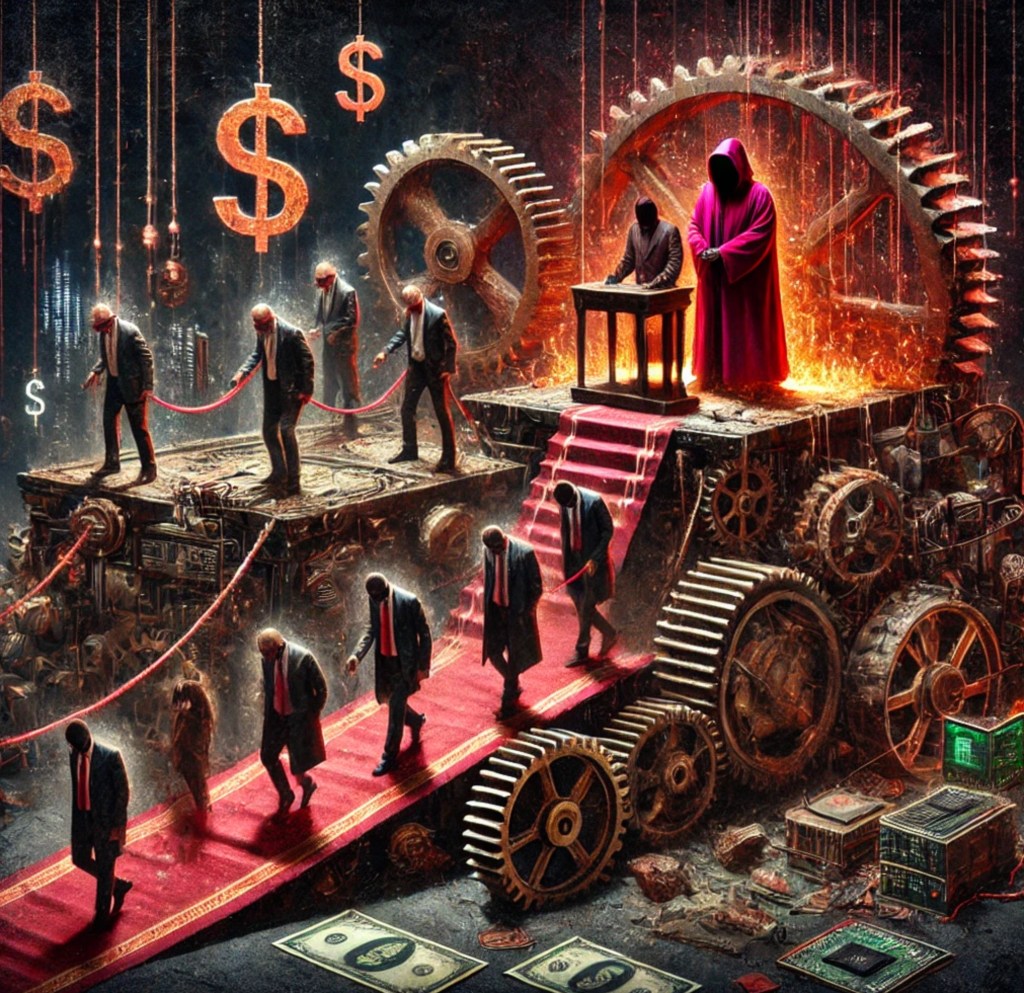
This is not a war of bombs or bullets—it is a war waged in silence, behind boardroom doors and through data pipelines, stock markets, and strategic investments. While governments remain fixated on military threats and headline-grabbing cyberattacks, a more insidious battle unfolds—a quiet conquest aimed not at military bases, but at the very foundations of a nation’s economy.
Phase One: Infiltration by Investment
The battleground? National industries—energy, technology, infrastructure, healthcare, defense contracting. Chinese state-backed firms, flush with capital, begin acquiring minority stakes in key Western corporations. These investments seem benign at first. After all, globalization has normalized foreign funding. But behind every investment lies state strategy.
These firms are not just economic entities; they are tools of national policy. The Communist Party maintains influence over all major Chinese companies, meaning even a 10–20% stake in a Western business gives Beijing a seat at the table.
Phase Two: Influence and Intelligence Extraction
Once inside, the game changes. Board positions are secured. Business decisions are influenced, not always overtly, but with enough weight to sway long-term strategic direction. Intellectual property is accessed, duplicated, and gradually funneled to Chinese firms through strategic partnerships or opaque licensing deals.
Employees don’t realize that their innovations—built over decades—are being quietly siphoned off and repurposed by state-owned competitors overseas.
Phase Three: Erosion of Profitability
With inside access and market leverage, Chinese state firms undercut their Western counterparts globally—producing cheaper alternatives, often backed by government subsidies. Western firms, burdened by ethical standards, regulatory oversight, and wage expectations, can’t compete. Profits dip. R&D budgets shrink. Talent leaves.
Then come the layoffs, the plant closures, the loss of innovation capacity.
Phase Four: Collapse and Replacement
When a company nears collapse, who steps in to “help”? The same players who watched it bleed: Chinese firms now offer to acquire what’s left. Sometimes it’s a factory, sometimes it’s patents, sometimes it’s the customer base. They rebrand the carcass, operate under a new name, and integrate it into their global supply chain—controlled not by free markets, but by Beijing.
The once-thriving domestic industry is now dependent on Chinese imports, Chinese expertise, Chinese hardware. National autonomy is quietly replaced by economic servitude.
Phase Five: Economic Leverage
With critical industries now under indirect foreign control, national governments are faced with impossible choices: comply with Chinese demands or face supply disruptions. This isn’t speculation—it happened with semiconductors, with rare earth minerals, with medical supplies during COVID.
This is the leverage of industrial occupation.
A Perfect Strategy for Economic Domination
This isn’t capitalism. It’s weaponized investment. It’s not theft in the traditional sense, but an engineered transfer of wealth, power, and influence. And it’s largely invisible—disguised as globalization, cooperation, and “mutual interest.”
The West wasn’t conquered by soldiers. It was outplayed in a game it didn’t even know it was in.
Governments are only now waking up to this reality—scrambling to block takeovers, repatriate manufacturing, and legislate against foreign interference. But the question remains: is it too late?
Chameleon.15026052@gmail.com


 Chameleon Magazine
Leave a comment