Summary:
Britain is spending a fortune housing violent, long-term prisoners — some of whom treat prison as a permanent home rather than a punishment. With the prison population rising and costs climbing, it’s time for a bold rethink: offshoring incarceration. By partnering with low-income countries that need jobs and infrastructure, Britain can transform its foreign aid budget into a new model — one that slashes domestic costs while creating opportunity abroad. It’s time to turn a national burden into a global solution.
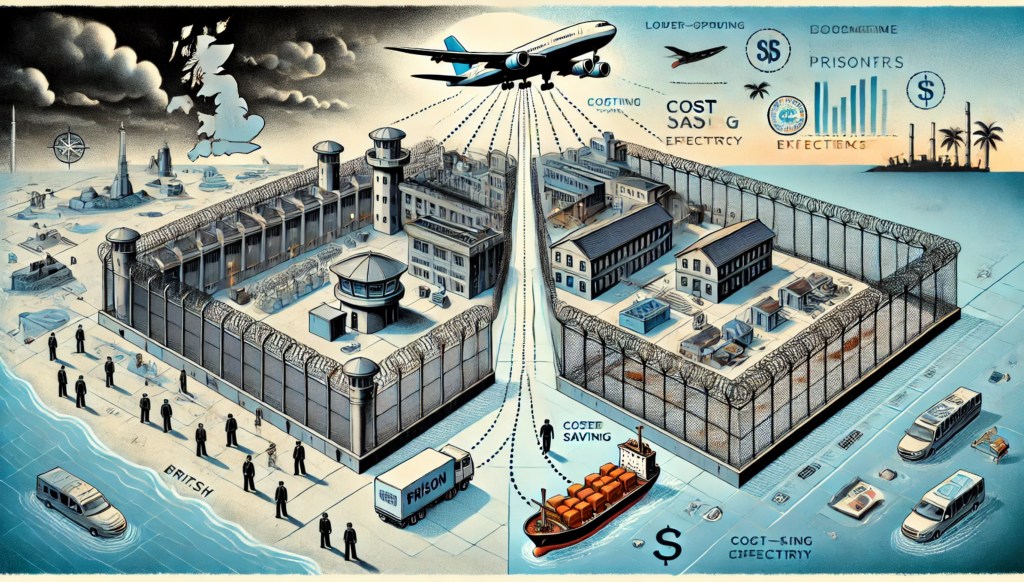
The Solution:
The UK spends an average of £48,000 per prisoner per year, with high-security inmates costing even more. With over 85,000 people in custody, that’s more than £4 billion annually — a massive strain on public finances, especially when many of these inmates will never reintegrate into society.
Instead of endlessly expanding our prison estate, we could offshore our most violent or irredeemable prisoners to countries willing to house them under strict international standards. Labour costs in such countries are far lower, meaning the UK could save tens of thousands per prisoner, even while paying host nations a premium.
Imagine redirecting a portion of foreign aid to pay a nation like Rwanda, Ghana, or even El Salvador to run secure, well-monitored facilities — offering jobs, economic development, and infrastructure investments in exchange. The UK saves money, these countries gain industry, and inmates lose the comfort of familiarity — making prison a true deterrent, not a second home.
This system wouldn’t apply to all inmates — only the worst: terrorists, serial violent offenders, and lifers with no hope of rehabilitation. With proper oversight, this is not outsourcing punishment, but redefining responsibility and efficiency.
Let’s stop spending billions making hardened criminals comfortable. Let’s make justice smarter, leaner, and globally integrated.
Email: Chameleon.15026052@gmail.com


 Chameleon Magazine
Leave a comment