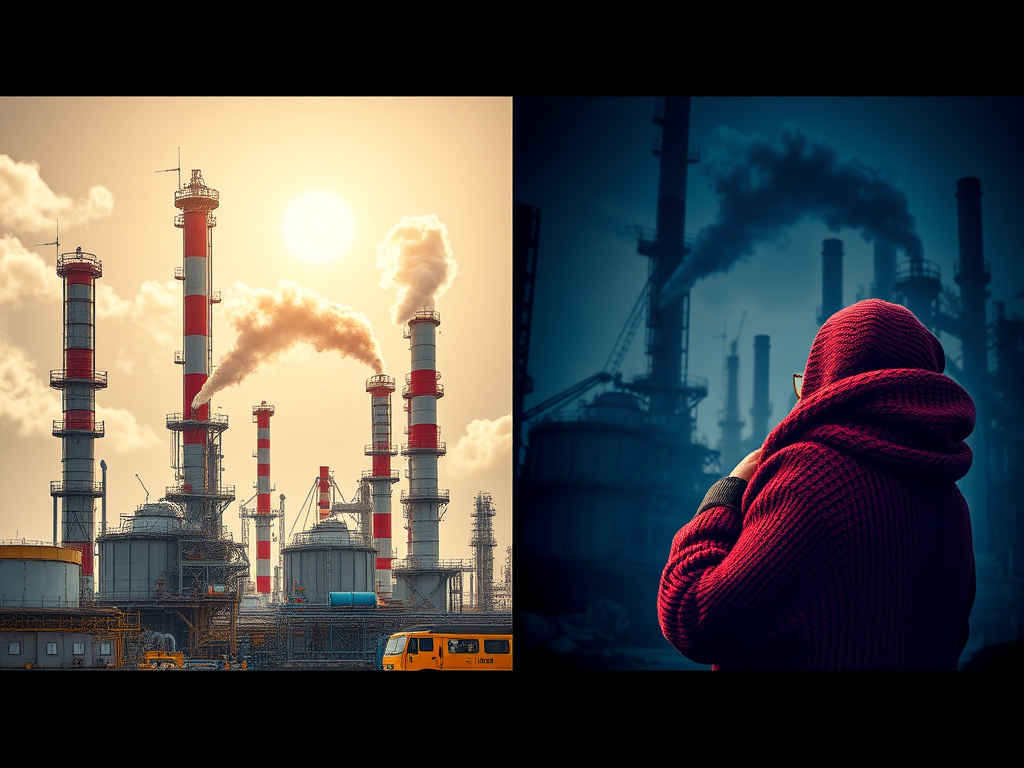
In a world increasingly allergic to fossil fuels, one small nation has decided to throw a black-tie gala at the oil rig. While the UK debates the morality of owning a kettle and trains its citizens to perform cold showers as acts of climate penance, Ghana is laying the foundations—literal concrete and steel—for an energy empire. And the contrast isn’t just stark. It’s hilarious, if you like your geopolitical irony served piping hot.
Welcome to 2025, where the West mumbles about net zero and Africa builds the future.
Britain: A Cautionary Tale in Climate Costume
Once a titan of the industrial age, Britain now feels like the ghost of infrastructure past. Its energy policy has all the bite of a lukewarm biscuit. The country that invented steam engines now warns against using too much hot water. The land that once powered empires now powers down radiators by government suggestion.
Remember Ed Miliband’s war on oil infrastructure? A noble campaign if you’re staging a morality play, less so if you want to keep the lights on. The UK shuttered facilities, stalled exploration, and patted itself on the back for showing climate leadership—even as it imported more energy than ever, mostly from countries less squeamish about drilling.
Fast-forward, and now Britain is locked in a permanent energy cringe: rationing gas, means-testing warmth, and trading industrial capability for wishful thinking and wind turbines that go on strike when it’s calm.
Meanwhile…
Ghana: Oil Palaces and Petrochemical Swagger
West Africa’s golden child isn’t trying to be the next Oslo or Dubai—it’s aiming to be something bolder: a petroleum juggernaut on its own terms.
Ghana’s latest move? A $60 billion energy infrastructure plan—three oil refineries, five petrochemical plants, and the muscle to turn hydrocarbons into hard currency. The Jomoro Municipality is no longer just a dot on the map—it’s morphing into a petro-industrial complex with regional and global ambitions.
This isn’t about oil for oil’s sake. It’s about jobs, exports, leverage, and, yes, unapologetic pragmatism. Ghana has no illusions that the world can ditch fossil fuels overnight—and it’s tired of being scolded by countries that built empires on carbon.
So Ghana’s saying: “You want to go green? Great. In the meantime, we’ll sell you the diesel to keep the lights on.”
The Western Delusion: Clean Hands, Dirty Imports
Let’s face it—Western climate policy is often less about actual emissions and more about appearances. The UK can proudly lower its “domestic carbon output” while quietly importing the same oil, gas, and petrochemicals it used to produce.
In effect, the West has outsourced its pollution and guilt—outsourced the mess, the rigs, the dirty hands—to countries like Ghana. What Ghana is doing differently is cashing the check with a smile instead of shame.
Why shouldn’t it?
After all, while Brits freeze in their smart-meter-capped flats, Ghana is building an economy—refining oil into plastics, fuel, lubricants, and countless products the world can’t live without (including, ironically, the wind turbines and solar panels for the UK’s green dreams).
Africa’s Playbook: Build First, Preach Later
Ghana isn’t alone. Across Africa, there’s a quiet rebellion brewing against the narrative that developing nations should “leapfrog” past fossil fuels straight into renewables. The logic is seductive but flawed. You can’t leapfrog a stable grid. You can’t power heavy industry on intermittent sunshine. And you can’t build a middle class on microgrids.
Africa is saying, in essence: Let us build what you built, then we’ll talk about transition.
Ghana’s approach reflects a continent that’s tired of being lectured while living in the dark. They want power—literal, reliable, grid-based power—and they’re not waiting for Western approval.
Lessons from the Oilfields
What can the UK learn from this?
- Infrastructure matters. It’s not glamorous, but it’s the difference between influence and irrelevance.
- Energy security is strategic. Ghana’s moves aren’t just economic—they’re geopolitical.
- You can’t moralize your way out of a fuel shortage. Warm hearts and good intentions don’t boil water.
Ghana is building for today and tomorrow. Britain is writing vision statements for 2050 while debating whether gas cookers should be guilt-taxed.
The Long Game: Oil Today, Power Tomorrow
No one’s denying the climate crisis is real. But solutions that ignore political and economic reality are doomed to fail. Ghana’s strategy isn’t denial—it’s sequencing. Build prosperity, strengthen the grid, then decarbonize on your own terms.
It’s not unlike how the UK did it—except Ghana is doing it under global scrutiny, with fewer resources, and while being told to take shorter showers and skip the oil phase entirely.
Spoiler alert: they’re not skipping.
Closing Rant: Who’s the Real Visionary?
The West built its wealth on coal, oil, and ambition. Ghana is now doing the same—but with more efficiency and a better sense of irony. And yet, it’s Ghana that’s seen as reckless?
Let’s be clear: this isn’t just an energy story. It’s a story of sovereignty, agency, and realism in a world increasingly allergic to hard truths.
So the next time you queue up a documentary about climate refugees on your imported iPad, ask yourself: who’s really driving the global energy narrative? The country rationing radiators, or the one building refineries?
Your Challenge
Is Ghana the smart one here, or just late to a party that’s already winding down? Are Western critics right to call this a carbon gamble—or just bitter they folded too early?
Drop your take in the comments—ideally with your heating off, just to keep it on brand.
And yes, the best roast of UK energy policy gets a shout-out in our next issue.


 Chameleon Magazine
Leave a comment