A warm thank-you to Maria Cassano for the editorial commandments that inspired this tribute.
Let me begin by saying: I love editors. I really do. They are the unsung heroes of the literary world—sweating over our dangling modifiers, throwing themselves in front of rogue semicolons, and hoisting our poor, mangled sentences onto the stretcher of grammar.
So when I stumbled upon Maria Cassano’s thoughtful and earnest piece on the “4 Biggest Mistakes New Writers Make”, I was grateful. Truly. It’s not every day a Professional Editor descends from Mount Punctuation to illuminate our path with such piercing clarity.
But—as a humble, modifier-addicted, dialogue-overexplaining mortal—I couldn’t help but respond.
Let’s have a little fun, shall we?
A Gentle Letter to the Noble Gatekeeper of Grammar
Dear Esteemed Professional Editor,
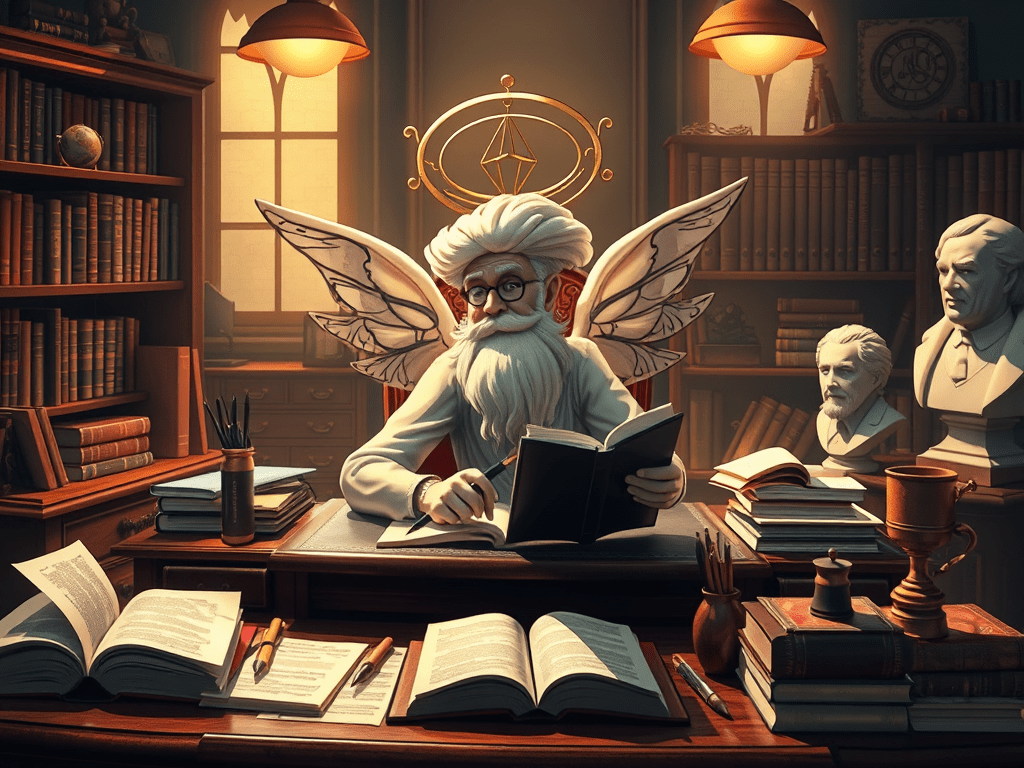
First, let me thank you for boldly stepping forth from your mahogany writing desk (I assume it’s mahogany, possibly flanked by a bust of Hemingway and a lava lamp of stern judgment) to share the four titanic errors us lowly amateurs commit on our tragic march toward mediocrity. It takes true courage to don the cape of editorial elitism and hover so graciously above the slush pile, offering insights like Zeus flinging down lightning bolts—except yours are aimed at unsuspecting adverbs.
Now, if I may return the favor and offer you a little feedback. Not as a “professional editor” (alas, I don’t even own a red pen), but as someone who enjoys watching people trip over their own thesaurus.
Let’s go through your points one by one, shall we?
1. Overusing Modifiers
Ah yes, the villainous adjective and its shady accomplice, the adverb. We amateurs are apparently addicted to describing things with unnecessary color, texture, and emotion. Heaven forbid we call a night “eerily quiet” when we could just say “night” and trust readers to feel the horror. But here’s the thing: maybe we like a little flair. Maybe we want to write with velvet curtains and sequins, not IKEA minimalism. You don’t have to make us feel like we’ve committed a war crime every time we write “gently.”
2. Over-Describing Dialogue
You’re right—we absolutely need to stop telling readers what our characters are doing while speaking. Who needs, “he muttered, his fingers twitching like caffeinated spiders,” when we can just have “he said” and a shrug emoji? But let’s be honest: sometimes people do sob into their soup or whisper like they’re narrating an ASMR true-crime documentary. Maybe we’re not overwriting dialogue… maybe we’re just deeply committed to the dramatic arts.
3. Writing Tics
Yes, some of us have little habits. Maybe we say “just” too much. Or “actually.” Or we start every paragraph like we’re nervously knocking on the reader’s door. But consider: aren’t quirks what make us human? Or would you prefer we all write with the sterile consistency of a government-issued pamphlet titled The Correct Amount of Emotion for a Scene?
4. Underestimating the Reader’s Intelligence
You’re absolutely right—explaining things too much is insulting to the reader’s genius. And I apologize, sincerely, for every metaphor I’ve ever clarified. But you know what else underestimates a reader’s intelligence? Articles that begin with “I’m a professional editor” as though we might otherwise assume you’re a banana with Wi-Fi. Trust cuts both ways, dear Editor.
In Conclusion
Dear Maria, thank you. Genuinely. Your article was thoughtful, well-structured, and full of real insight. But you know how it is: if we can’t laugh at ourselves, then what are we even writing for?
So we’ll take your advice, we really will. We’ll cut our modifiers, trim our tics, strip our dialogue, and stop coddling readers.
And then—when you least expect it—we’ll sneak in a sentence so florid it makes Oscar Wilde rise from the grave and high-five us.
Because writing isn’t just about rules.
It’s about rhythm, rebellion, and a touch of ridiculous magic.
With all due respect and irreverence,
Chameleon
https://chameleon15026052.wordpress.com
Thoughts, rebuttals, or rogue adjectives to share? Send them my way.


 Chameleon Magazine
Leave a comment