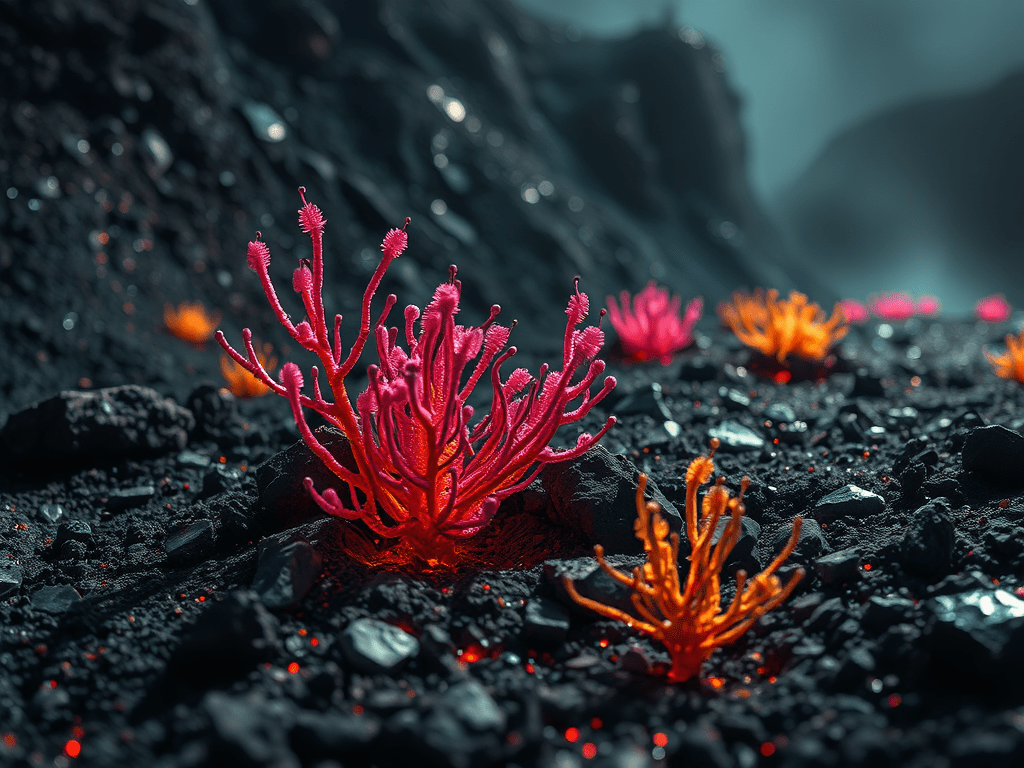
A rare earth mine coughs up more than just metal—it spits out a microscopic assassin that might just save us from the bacterial apocalypse.
🧪 When Science Digs Deep, It Finds Murderous Microbes with PhDs
You’d think the next miracle drug would emerge from a sterile biotech lab with white coats and pipettes—not from the bacterial backstreets of a toxic pit in northern China. But nope, it turns out the real MVP of modern medicine might be Saarvienin A, a compound scraped from the microbial armpit of the Bayan Obo rare earth mine—a place so chemically hostile, even bacteria wear hazmat suits.
This new antibiotic doesn’t play by the old rules. While most antibiotics sneakily disable walls or hijack bacterial DNA like cybercriminals, Saarvienin A takes a sledgehammer to protein homeostasis. Translation: it screws with bacteria in ways they’ve never seen before—and that terrifies them. It’s like showing up to a fencing match with a flamethrower. Superbugs? More like super-dead.
And of course, it had to come from the kind of place where nothing should survive. Alkaline, metal-laced, and about as inviting as a lead milkshake, the mine forced its resident microbes to evolve with the creativity of a sci-fi villain. Lucky for us, those same evolutionary hacks could be humanity’s Plan B now that our entire medicine cabinet is starting to lose a slap fight with MRSA.
So here’s the plot twist: while pharmaceutical giants toss billions into tweaking yesterday’s antibiotics for diminishing returns, Mother Nature just yeeted a molecular miracle out of an abandoned dirt hole. Saarvienin A may be in early trials, but it’s already exposing a major truth—innovation doesn’t always come with a shiny lab and venture capital. Sometimes, it oozes out of geological nightmares.
💥
Challenges
💥
What other microscopic marvels are hiding under radioactive hellscapes and chemically abusive ecosystems? And why are we still betting on Big Pharma to remix 1950s antibiotics when evolution is literally doing stand-up comedy in mines and caves? Drop your molten-hot takes in the blog comments—not just on Facebook where nuance goes to die. 🔥💬
👇 Smash that comment, like, and share button. Dig up some opinions and toss ’em into the ring.
The best comments get immortalized in the next issue of the magazine. 🧫✍️


 Chameleon Magazine
Leave a comment