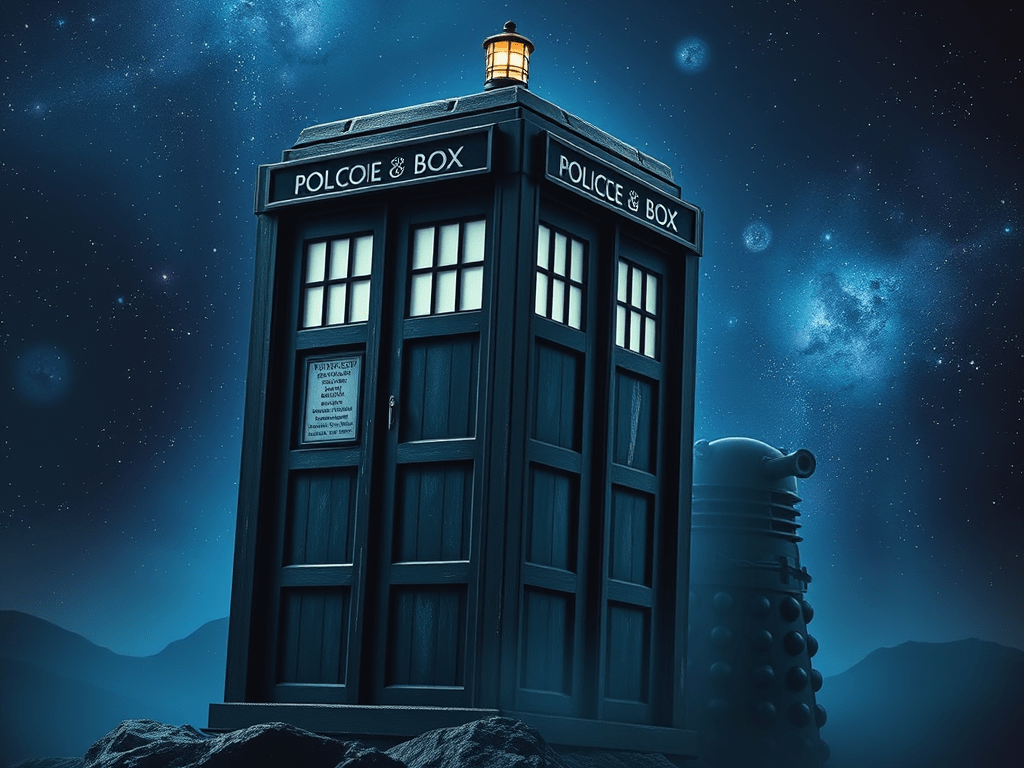
Once a crown jewel of British television, Doctor Who now finds itself at the center of a cultural implosion — and the numbers don’t lie. What was once a Saturday night staple watched by families across generations has become a cautionary tale of what happens when entertainment forgets to entertain.
Since the show’s relaunch in 2005, it enjoyed a golden age under showrunners like Russell T Davies and Steven Moffat. High ratings, global appeal, and a fresh sense of wonder defined the era. But recent years have seen the show’s viewership collapse, with millions tuning out. The cause? Many point to an aggressive injection of ideological messaging — a pivot toward what critics call extreme wokism.
From Timelord to Preacher
The show’s transformation became most visible during Jodie Whittaker’s tenure as the first female Doctor. Rather than letting the casting speak for itself, the series began lacing episodes with overt moral lessons on race, gender, colonialism, and climate change. Viewers felt lectured, not transported. The storytelling, once layered and mysterious, grew heavy-handed and self-congratulatory.
Episodes like “Rosa,” “Orphan 55,” and “Can You Hear Me?” were criticized not for their themes, but for the clumsy way they delivered them — with all the subtlety of a sonic screwdriver to the face. The result? Ratings dipped. And then plunged.
Legacy Fans Abandon Ship
The most loyal viewers — fans who stuck with the show through Daleks, Cybermen, and questionable CGI — began walking away. On forums and fan sites, the feedback was consistent: Doctor Who had stopped being fun. It had become a lecture hall in space, where every alien was a metaphor for injustice and every episode a thinly veiled Twitter thread.
They weren’t opposed to inclusivity. They were opposed to bad writing masquerading as virtue. They wanted mystery, excitement, and emotional depth — not mandatory guilt-trips in a TARDIS.
BBC in Denial
Despite the decline, the BBC remained publicly bullish. Executives defended the new direction, citing “modern relevance” and “social responsibility.” But behind the scenes, panic grew. Merchandise sales fell. International deals were harder to secure. And episodes that once drew 8–10 million viewers now struggled to crack 3 million.
The return of Russell T Davies and casting of Ncuti Gatwa as the new Doctor — another bold casting move — signals an attempt to reset. But even that’s been caught in the crossfire. Critics ask: will the show return to storytelling first, or double down on ideology?
The Bigger Picture
Doctor Who isn’t alone. Across the entertainment industry, audiences are pushing back against content they feel is more concerned with moral positioning than compelling stories. And while some argue this is just the backlash of a culture resistant to change, the ratings suggest something more fundamental: people will follow you into the stars — if you stop wagging your finger long enough to invite them.


 Chameleon Magazine
Leave a comment