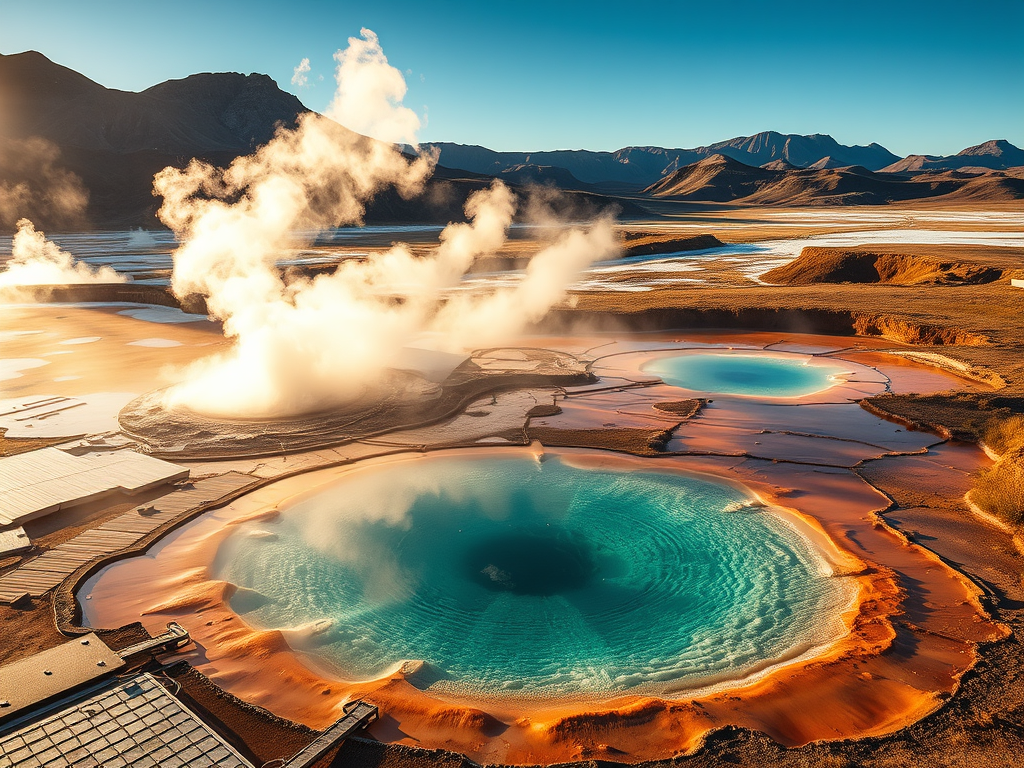
Beneath the Surface: What Is Geothermal Energy, Really?
At its core (pun intended), geothermal energy is the heat left over from the formation of the Earth and the constant decay of radioactive particles. This heat seeps upward from the planet’s core, stored in reservoirs of hot water and rock beneath the crust. The hottest zones can be tapped directly for electricity or heating. The cooler ones—still hundreds of degrees Fahrenheit—can warm buildings, greenhouses, even sidewalks, without burning a single molecule of fossil fuel.
It’s an ancient phenomenon. But like many ancient things (see: handwritten letters, baking your own bread, knowing your neighbors), it’s experiencing a quiet renaissance.
Why Haven’t We Dug Deeper?
There’s a paradox here: geothermal is both local and global. It’s everywhere beneath us, but not always easy to access. High-yield geothermal hotspots tend to cluster in tectonically active areas—think Iceland, the Philippines, or parts of the American West. Drilling is expensive, risky, and often regulated like oil and gas. Add to that a lack of public awareness, and you get a Cinderella story in the clean energy fairy tale—unrecognized and underutilized.
But that’s changing.
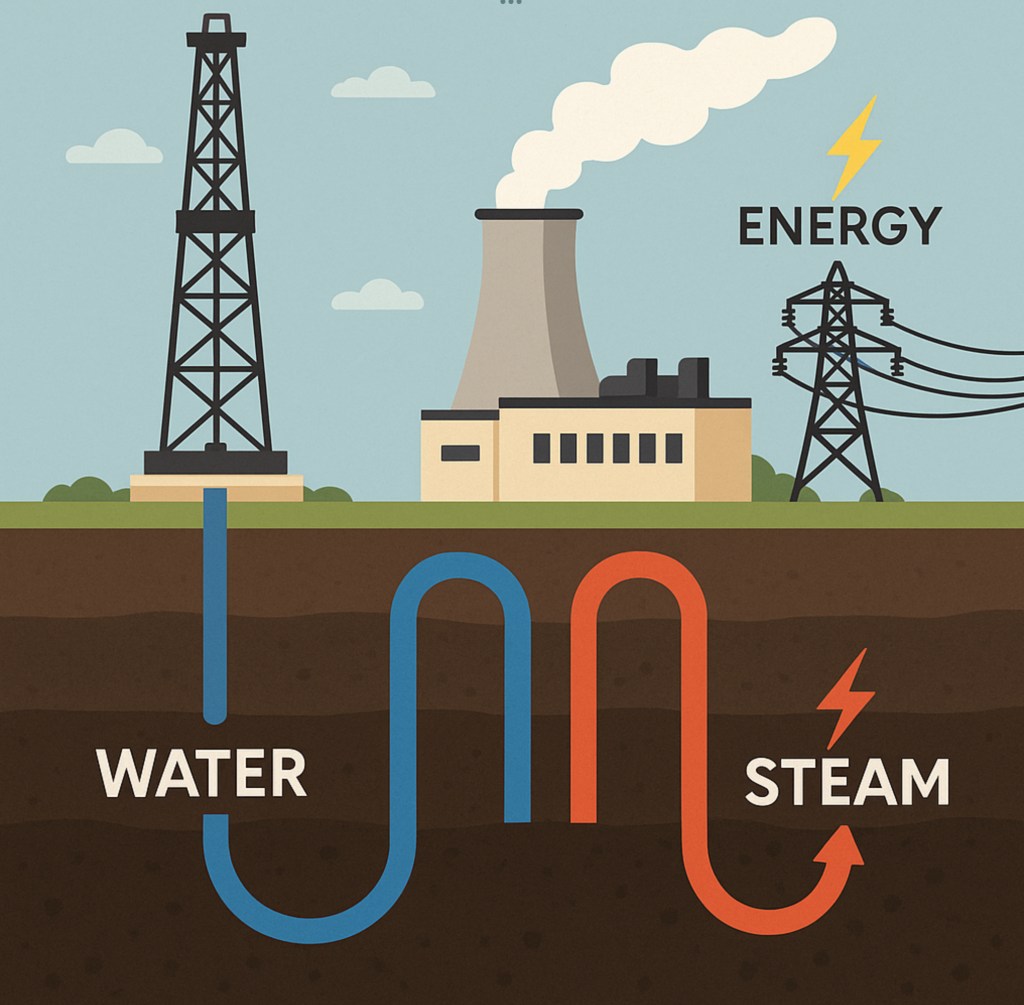
Modern geothermal isn’t just about steam rising off a geyser. Advances in deep drilling, enhanced geothermal systems (EGS), and closed-loop technologies are rewriting the rules. Think of it as fracking for good: extracting heat, not hydrocarbons. Companies are now exploring how to bring geothermal to places that never thought they had it—like Texas, Germany, or even the UK.
The Baseload Bonus
Here’s where geothermal wins big: it doesn’t sleep.
Unlike solar or wind, which fluctuate with weather and time of day, geothermal provides a steady, 24/7 energy stream. It’s the introvert of renewables—quiet, reliable, always on. This makes it ideal for supporting grids transitioning away from coal and natural gas. You need a steady heartbeat when the flashy muscles of solar and wind take a break. Geothermal is that heartbeat.
A Matter of Depth and Will
The technology is here. The potential is vast—estimates suggest that tapping just 0.1% of Earth’s geothermal heat could supply humanity’s energy needs for millennia. The real challenge is not geological. It’s psychological. Political. Cultural.
We need to stop treating geothermal like a fringe player and start seeing it for what it is: a foundational piece of our clean energy puzzle. It’s not just about finding heat beneath the ground. It’s about unearthing a deeper kind of wisdom—about sustainability, resilience, and thinking long-term in a short-term world.


 Chameleon Magazine
Leave a comment