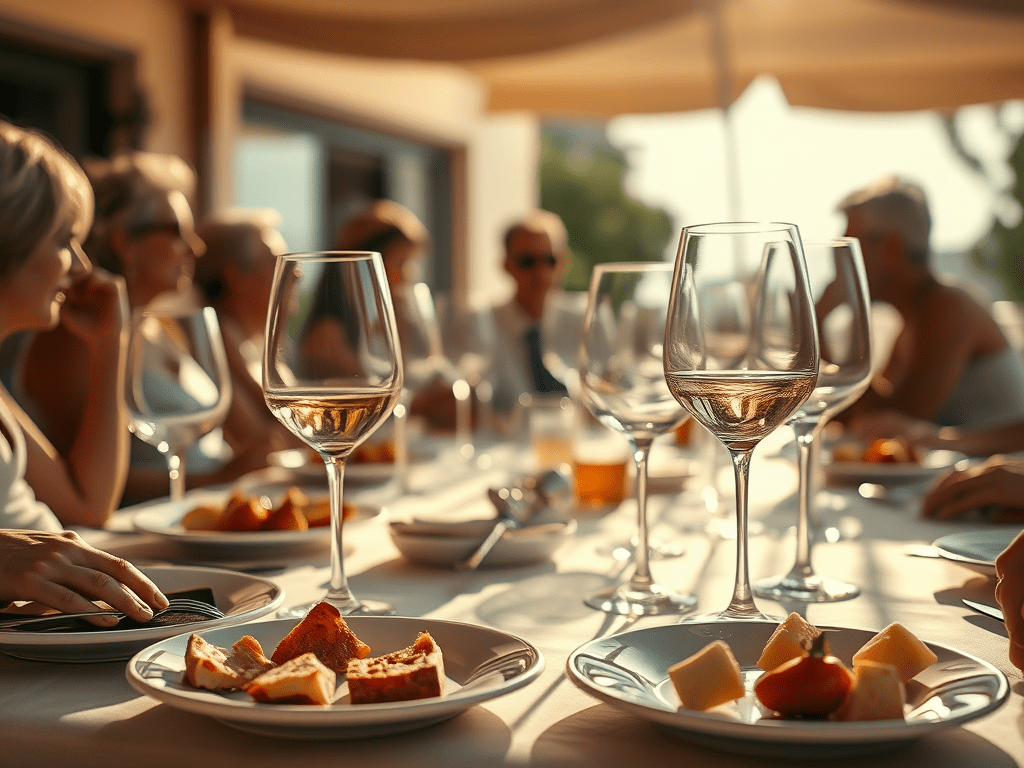
In one of the most infamous child disappearance cases in modern history, we’re still left shaking our heads—not just at the horror of what happened to Madeleine McCann, but at how her disappearance was even possible. Two educated professionals. A resort. A sleepy town. A missing child. It’s like watching a Greek tragedy unfold in a tapas bar—except the chorus is made up of parents who genuinely thought dinner was worth the risk.
🏖️ Cognitive Dissonance in Flip-Flops
What do you get when you mix sun-drenched evenings, shared childcare delusions, and the kind of confidence only middle-class professionals can afford? Apparently, a blueprint for disaster.
It wasn’t just the McCanns. A whole posse of PhDs and paediatricians somehow agreed that leaving their kids alone while they passed the calamari wasn’t just okay, but standard. Like checking the oven light or locking the car. This wasn’t a one-off mistake—it was a nightly routine, reinforced by collective silence and topped off with a nice rioja.
Turns out, when you’re educated, well-traveled, and used to being in control, you might just start thinking reality bends to your resume. The kind of overconfidence that says, “Sure, we’re leaving toddlers unattended, but we’re doctors, so it’s different.” Spoiler alert: It’s not.
But the real kicker? They thought it was safe because it had worked before. That’s right—prior success in child-abandonment roulette made them think they were parenting pioneers. The illusion of control was so thick, you could spread it on toast.
This wasn’t evil. It wasn’t malice. It was the deadliest cocktail of middle-class blind spots, vacation-mode myopia, and cultural complacency. Madeleine wasn’t failed by bad luck—she was failed by a network of people who mistook safety for routine and comfort for caution.
⚠️
Challenges
⚠️
Still defending this as “something any parent might do”? Really? Let’s hear your hottest takes, coldest truths, and blistering honesty in the blog comments (not just Facebook). Whether you’re outraged or just bewildered—drop it below. 🧨💬
💥 Tap “comment,” tap “like,” tap “share.” Remind someone that credentials ≠ common sense.
📝 The best responses will be featured in the next magazine issue. Your roast might just make print.


 Chameleon Magazine
Leave a comment