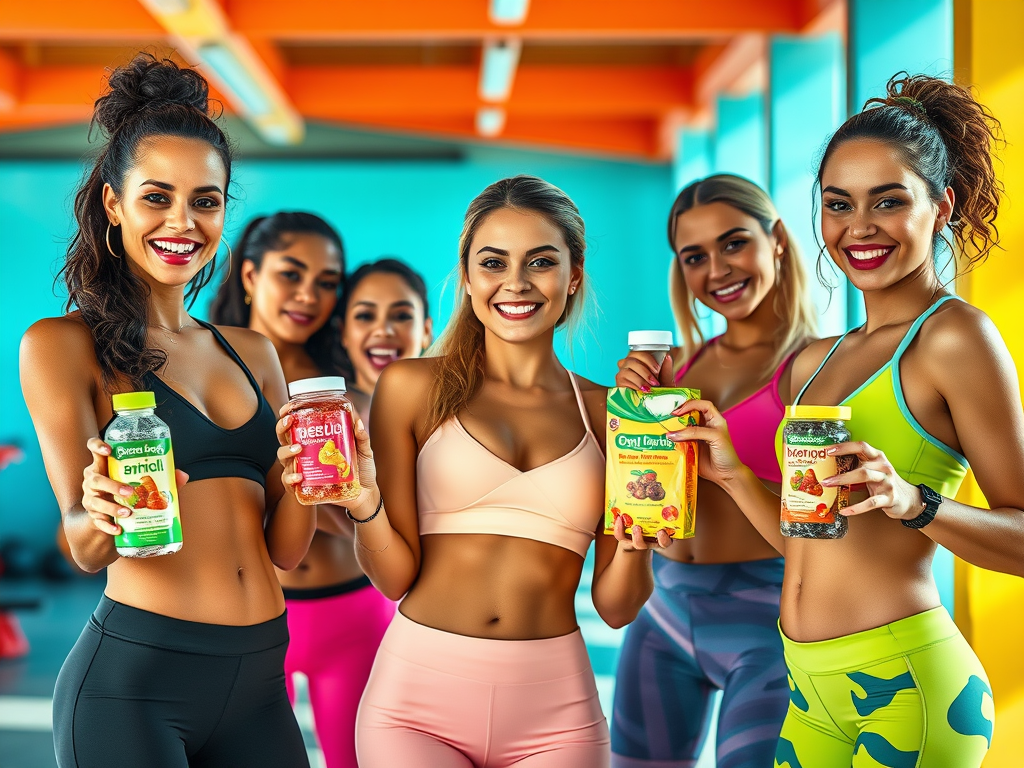
They’ve got six-packs, smoothie bowls, and all the answers — as long as the question is “How do I turn insecurity into an e-commerce empire?” From laxative teas masquerading as wellness to gummies that are just expensive gumdrops with a health halo, welcome to the circus of shredded charlatans and metabolism messiahs.
🤳 Absurdity in Activewear: The Fitness Fantasy Industrial Complex
Once upon a time, con artists had to travel in horse-drawn wagons and peddle their “miracle elixirs” in dusty town squares. Now? They livestream it in 4K, with product links in bio and filter-enhanced abs that could cut glass. Welcome to the new frontier of medical misinformation — now with more hashtags and less FDA oversight.
These aren’t just Instagram influencers — they’re the bastard lovechildren of televangelists and used-car salesmen, wrapped in Lululemon and spritzed with bergamot essential oil.
“Reset your hormones!”
“Shrink your gut bacteria!”
“Detox your soul through activated chlorophyll!”
Translation: Drink this overpriced swamp water and pretend it’s medicine.
And the masses? We’re lining up for it like it’s Black Friday at Whole Foods. Because nothing screams health literacy like trusting someone who got their “certification” from a 90-minute Zoom webinar and a Canva template.
Oh, and let’s not forget the sacred scripture of wellness: buzzwords.
🌀 Inflammation.
🌿 Microbiome.
🧬 Cellular rejuvenation.
💫 Metabolic reset.
It’s all just fridge-magnet science. The words sound real because they vaguely remind you of something a guy in a lab coat once said. Except this time, it’s being said by someone doing squats in a matching pastel set with 1.2M followers and no actual clue.
Meanwhile, actual health experts — doctors, dietitians, researchers — are drowning in the algorithm, their facts trampled under a thousand “What I eat in a day” vlogs narrated by someone who believes sunscreen causes hormone imbalance.
🍵 This Tea Will Not Save You
Let’s take a closer look at the Holy Grail products:
- $60 Detox Tea: You’re paying for what amounts to a gentle bowel eviction notice with a tropical flavor. The “bloat” you’re fighting? That’s digestion, sweetie.
- “Gut Health” Gummies: Sugar, gelatin, and the placebo effect. It’s Flintstone vitamins for adults with low serotonin and high Instagram usage.
- Metabolism-Boosting Drops: Mostly B12, which you pee out. The only thing dropping is your bank balance.
- Cortisol-Balancing Sprays: What even is that? A stress-scented perfume? It smells like lavender and desperation.
And let’s not ignore the elephant in the supplement aisle: these people don’t actually use half the stuff they’re hawking. They’re paid to hold it. That’s it. They’re actors. Models. Content machines. Selling you a life they don’t live.
Because the truth is: Fitness isn’t the product. YOU are.
They monetize your attention. Your clicks. Your “maybe this time it’ll work” desperation. You’re not buying wellness — you’re buying belonging. And in an economy that runs on insecurity, that’s the ultimate currency.
🎭 Your Favorite Fitfluencer Is Basically a Victorian Quack with a Ring Light
The aesthetic is different, sure — no handlebar mustaches or snake oil carts — but the grift is the same.
Then: “My miracle tonic cured arthritis, hair loss, and sin!”
Now: “My vegan collagen powder reversed my depression, my acne, and my karmic debt.”
They have no background in medicine. No qualifications. Just abs, a filter, and a tragedy-to-transformation story they’ve monetized into a six-figure brand. Bonus points if they cried on camera once and called it “healing.”
We’re not watching fitness journeys — we’re watching sales pitches choreographed by brand managers and shot in golden hour lighting. Every video, every post, every caption — it’s the trailer for a product you didn’t know you needed, but suddenly can’t live without.
They’re not your friend. They’re your sales rep.
📱 The Algorithm Is Their Hype Man
YouTube, TikTok, Instagram — they don’t care what’s true. They care what gets clicks. And fitfluencers are clickbait in leggings. A well-lit torso is worth more to the algorithm than a PhD.
So when you ask in the comments, “Does this really work?” — you’re helping them. You’ve just bumped their engagement. Congratulations, your skepticism just helped someone sell another jar of powdered beet sadness for $49.99.
It’s not misinformation. It’s performance art for profit.
💅 The Wellness Industry Is a Vibe Check on Reality
Let’s make something clear: the wellness industry isn’t selling health. It’s selling aesthetics. It tells you:
- Your fatigue isn’t capitalism — it’s “toxins.”
- Your bloating isn’t biology — it’s “gut imbalance.”
- Your stress isn’t systemic — it’s a lack of adaptogenic mushroom dust.
It gaslights you into thinking you’re broken — and then sells you a powdered Band-Aid.
And the wildest part? It works. Not the product — the business model. The market is worth billions. Because when you’re scared, tired, and overloaded, $80 for moon-charged electrolyte drops doesn’t sound so ridiculous. It sounds like hope.
🧠 But Wait… Can We Maybe Stop Falling for It?
This isn’t a takedown of people who want to be healthy. This is a takedown of the people profiting off confusion, fear, and your wish for a shortcut.
So what do we do?
- Ask for receipts. Real studies. Peer-reviewed evidence.
- Follow people with credentials, not vibes.
- Remember that you can’t “detox” your body — that’s what your liver is for.
- And for the love of science, stop buying anything called a “cleanse.”
If the miracle solution fits in a sachet, and the only proof is someone’s abs — it’s not a cure. It’s marketing. And your body deserves better than being the beta tester for someone’s rebranded Kool-Aid.
🔥
Challenges
🔥
Still tempted by turmeric drops and moon-activated sea moss? Go into your social feed. Scroll until you hit that last “miracle” product claim. Then research it. Peer-reviewed science or placebo scam?


 Chameleon Magazine
Leave a comment