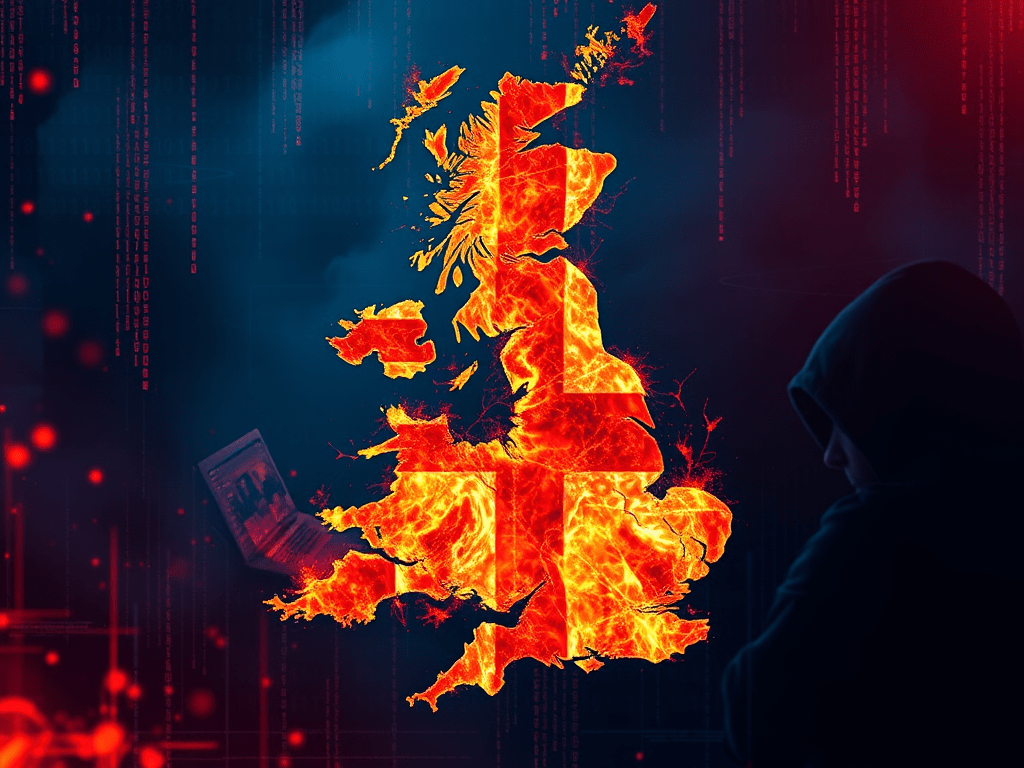
In 2024, the UK didn’t just top the charts in Eurovision memes or royal scandals—it clinched the coveted title of Russia’s #1 Cyber Target, suffering nearly 2,000 digital assaults. Among them? Almost 90 so serious they made government agencies sweat harder than Rishi at a Greggs. From NHS networks blinking out like your nan’s Wi-Fi to banks briefly turning into crypto casinos, both public and private sectors were dragged into the cyber bloodbath. 🧨
🪓 Hack to the Future: Russia’s Favourite Punching Bag
It’s official—Putin’s keyboard warriors are basically playing Call of Duty: UK Edition, and we’re the NPCs running in circles. The NHS got phished, universities got scrambled, and even water suppliers got a digital slap. It’s not warfare—it’s cyber-foreplay for something bigger.
And what’s the government doing? Well, after panicking and rebooting the nation’s routers, they’ve promised bigger firewalls, faster threat detection, and some new buzzwords like “quantum-resilient encryption,” which sounds expensive and possibly imaginary. GCHQ is now offering “cyber resilience briefings” (i.e., PowerPoints with more acronyms than an Elon Musk tweet), while the private sector is being begged—again—to please stop using “Password123.” 🙃
Meanwhile, everyday Brits are told to install updates, use 2FA, and basically pray their granny doesn’t click another “WIN A FREE IPAD” link. 🧓📲
Honestly, at this point, we should just give every citizen a Faraday cage and a tinfoil hat. At least then we’d look like we were doing something.
🔐
Challenges
🔐
How long do we pretend this is “just the new normal”? Should we keep calm and carry on—or start flinging modems at Moscow? We want your take: rage, roast, or ridiculous solution. 💬💥
👇 Hit comment, hit like, hit share. Then unplug and hide in a cave—just to be safe.
The best takes will be featured in the next issue of the magazine. 🎯📝


 Chameleon Magazine
Leave a comment