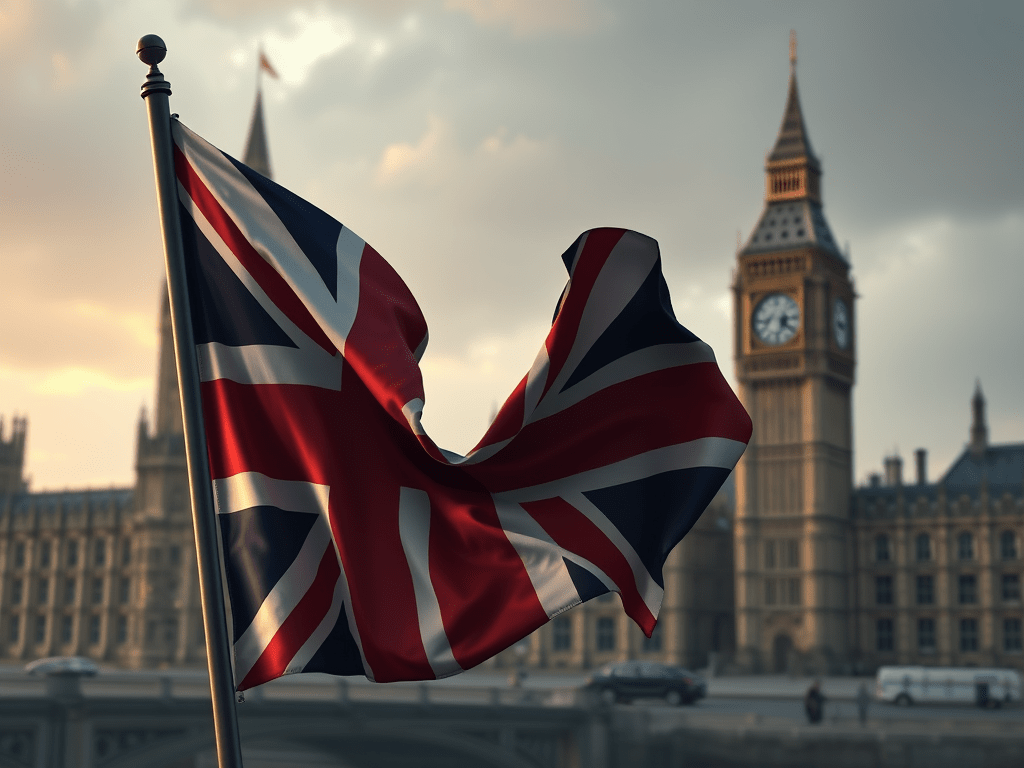
In 2016, 17.4 million people voted to leave the European Union — the largest democratic mandate in British history. That vote wasn’t vague. It wasn’t nuanced. It was a clear instruction: leave the EU, take back control, and forge our own future.
Fast-forward to today, and that clarity is being quietly eroded.
Sir Keir Starmer’s proposed “reset” with the EU may sound harmless — a little friction reduction here, a few smoother borders there. But underneath the polished language is a far more disturbing truth:
The UK is being asked to pay into the EU budget, follow its rules, and accept laws we cannot change — all without a seat at the table.
This isn’t a trade-off. It’s a trade-down. And it’s being done without public consent.
The Terms: Obedience Without Influence
According to newly surfaced EU documents, Britain will:
- Contribute financially to EU agencies overseeing food safety and the carbon market.
- Dynamically align with changing EU standards — meaning as Brussels updates the rules, Britain follows suit.
- Have no right to amend or challenge the regulations it’s required to obey.
This isn’t partnership. It’s political subservience. And it flies in the face of what millions voted for.
Sovereignty: Weren’t We Supposed to Be In Charge?
The heart of Brexit was never isolationism. It was about self-determination — having the power to make, adjust, and repeal our own laws without needing permission from a supranational body.
The reset deal makes the UK a rule-taker. That’s not just a policy choice — it’s a philosophical surrender. We’re re-entering the same bureaucratic orbit we left, this time as silent passengers rather than voting members.
It’s like quitting a job, only to be rehired as an unpaid intern.
No Vote. No Veto. No Voice.
Supporters of the deal argue that it’s about “efficiency” and “economic stability.” They highlight potential benefits: simplified export rules, emissions market access, fewer border delays. But at what cost?
- No democratic accountability.
- No national oversight.
- No way out of bad regulations.
It’s a one-way street paved with good intentions and democratic disregard.
Democracy Deferred?
You might not be a Brexit supporter — and that’s fine. But whatever your stance, the deeper issue here is about consent.
Policies this significant shouldn’t be implemented through quiet deals. They deserve debate, public scrutiny, and referendum-level legitimacy.
Otherwise, we risk setting a precedent: that future governments can undo major national decisions without asking.
That’s not just politically dangerous. It’s constitutionally corrosive.
The Political Class Has Moved On — But Have You?
One of the most striking things about this deal is the assumption behind it: that most voters have either forgotten or stopped caring about Brexit. That after years of fatigue, most people will accept any path forward as long as it’s dressed in the language of progress.
But what if they’re wrong?
What if voters haven’t forgotten what they asked for — and still expect the government to respect it?
This Isn’t Pragmatism. It’s Rebranding Capitulation.
Let’s call this what it is. Not a “reset.” Not a “pragmatic partnership.” But a rollback of a public decision — done behind closed doors and justified with spreadsheets.
It’s a technocratic U-turn, dressed in diplomatic suits, hoping no one’s paying attention.
But we are.
🧠 Final Thoughts: When Mandates Matter
If a public vote isn’t binding, what is? If governments can reinterpret foundational decisions with zero public input, where does democratic accountability begin — and end?
This isn’t just about Brexit. It’s about trust, integrity, and the long-term health of representative government.
🔊 Your Voice Matters
Are we witnessing a betrayal of the Brexit mandate? Or is this the necessary realism of modern diplomacy?
💬 Drop your thoughts below.
📢 Share this post if you believe democracy should mean something.
✉️ Subscribe to get future posts on sovereignty, policy, and power.
Let’s keep the conversation honest — even when our leaders won’t.


 Chameleon Magazine
Leave a comment