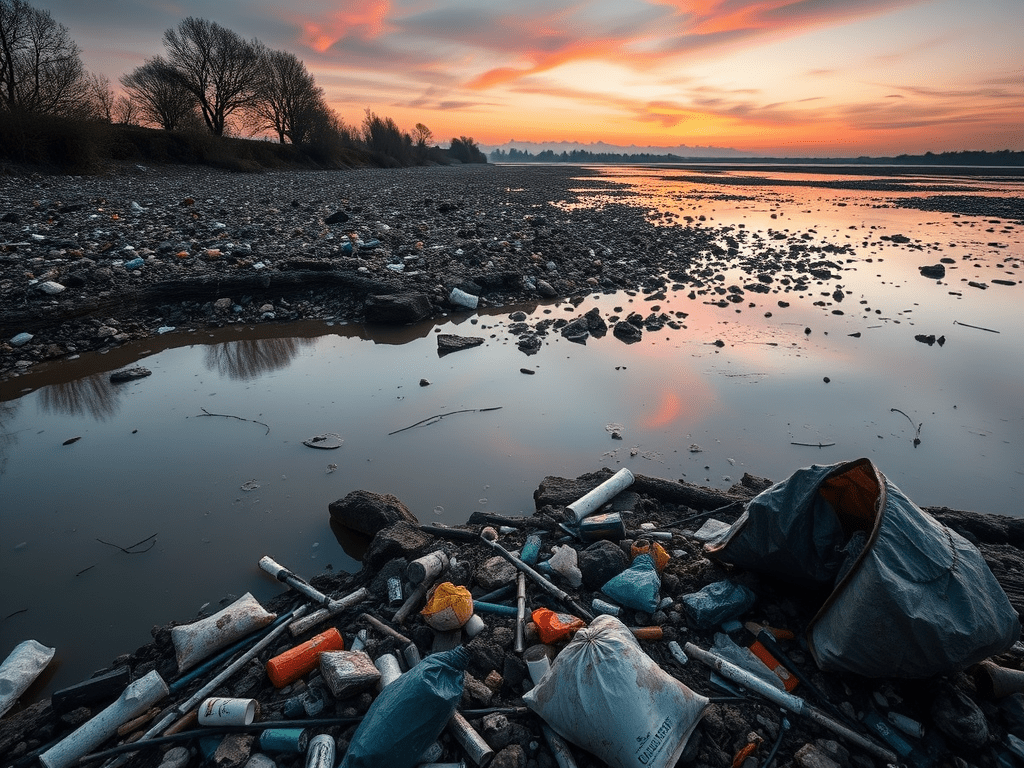
Pollution incidents linked to UK water companies have surged by 60%. That’s not just a minor uptick — it’s a loud, filthy alarm bell. Our rivers, lochs, and coastlines are being treated like industrial drains. And here’s the real scandal: the government knows, and yet… silence. Inaction. Shrug.
If a foreign power poisoned your lakes, you’d call it an act of aggression. But when it’s domestic companies doing it to turn a profit? Somehow, it’s just business.
When Water Turns Toxic — and No One Steps In
Let’s be blunt: this is ecological vandalism. Chronic pollution is not a technical hiccup. It’s a strategy — one that trades public health and biodiversity for corporate gain. Meanwhile, regulators issue toothless fines, and government ministers hand out press releases instead of justice.
Would you accept this if it were your drinking water? Your fishing stream? Your children swimming in it?
The Profit Pipeline
UK water companies operate as monopolies — entrusted with safeguarding an essential resource. But instead of preserving our waterways, they’re profiting from their decline. Billions in dividends have flowed to shareholders while storm overflows and untreated discharges have multiplied.
Upgrades to infrastructure are deemed “too expensive.” But how expensive is long-term environmental collapse? Or the loss of trust in public utilities?
Here’s the truth: if you can’t afford to stop polluting, you can’t afford to be in the water business.
What a Serious Government Would Do
If our leaders actually meant what they say about “green commitments,” they’d treat water pollution like the national emergency it is. Here’s what real action would look like:
1. Enforce Regulations That Hurt (in the Right Places)
No more wrist slaps. Penalties must scale with both profit and damage. Repeat offenders should face operational suspension or loss of their licenses.
2. Make Reinvestment Mandatory
It’s time to legislate that water companies reinvest profits into infrastructure — not investor pockets.
3. Consider Public or Local Ownership
This isn’t a radical idea. It’s practical. If private operators can’t keep our waters clean, let the public take back control.
4. Empower Communities
We need public access to water quality data, legal recourse, and citizen oversight. Knowledge is power — and protection.
Waterways Aren’t Just Pretty Backdrops
This is about more than environmentalism. It’s about identity, economy, and legacy. Rivers and lochs are part of our national story — they deserve better than slow poisoning by profit-hungry corporations.
If a government stands by while that happens, it’s not just negligence. It’s complicity.
Time to Stir the Waters:
Would you trust your local river to your water company? Have you seen the impact firsthand? Speak up in the comments, tag your MP, or share this with someone who thinks clean water should be a luxury.
Because silence is exactly what polluters are counting on.


 Chameleon Magazine
Leave a comment