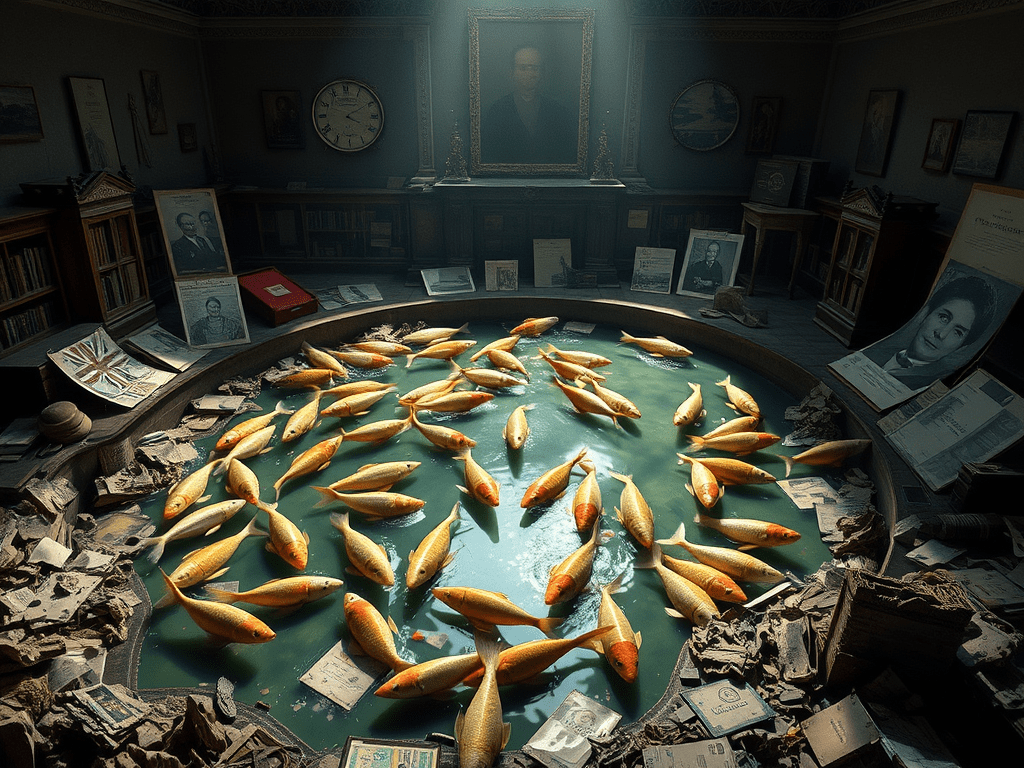
British politics has become a farce—an endless performance by three floundering figureheads who seem more confused than committed. Watching them stumble through interviews and parliamentary sessions is like observing fish gasping on dry land—disoriented, outdated, and painfully out of touch.
They recycle the same tired ideas like old vinyl records, stuck in the groove of a bygone era. Meanwhile, the country is facing modern problems—knife crime, broken services, rising discontent—and their solutions feel like museum exhibits: irrelevant and dusty.
When immigration systems falter, their instinct is brute force: arrest first, think later. When dissent brews within their own ranks, they suspend members instead of addressing the root cause—careful to avoid by-elections that might actually reflect the public mood.
But here’s the real issue: there’s no emergency brake on this system. No democratic mechanism to reset the government when it’s lost the public’s confidence. Policies get passed without consultation, wars are supported without mandate, and every scandal is met with a shrug.
Shouldn’t we demand more?
We need a reset button. A public safeguard. A way to recall leaders who lead without listening and hold them accountable when they take us into foreign conflicts without a clear national interest.
While everyday people deal with rising crime, overburdened services, and economic strain, our leaders chase low-hanging fruit—like targeting delivery drivers for efficiency tricks—while ignoring the root causes of unrest.
Syria looms again on the geopolitical horizon. Another conflict. Another humanitarian crisis. And inevitably, more refugees. But instead of strategic foresight or public debate, we’ll get hand-wringing confusion and media spin. And when public services strain under the pressure, they’ll ask why, as if they weren’t part of the cause.
Let’s be clear: this isn’t about closing the doors. It’s about opening our eyes.
If government isn’t accountable, then democracy becomes theatre. And we’re the paying audience left in the dark.
So let’s ask: where’s our voice in all this? Where’s the people’s lever?
If this resonated with you, leave a comment, share the post, or subscribe for future essays on how we take back control—not from immigrants or foreign states, but from the foggy halls of power that forgot who they work for.


 Chameleon Magazine
Leave a comment