⚖️🐐There was once a village where people quarreled over everything.
One man’s goat ate another’s grain. A woman borrowed a pot and cracked it. A thief pinched wool in the night.
Every squabble ended the same: the elders gathering, bickering like bargain hunters at a flea market.
“Five goats for one goat!” shouted one.
“No, two goats and a hen!” barked another.
The villagers grew weary, drowning in the math of misery.
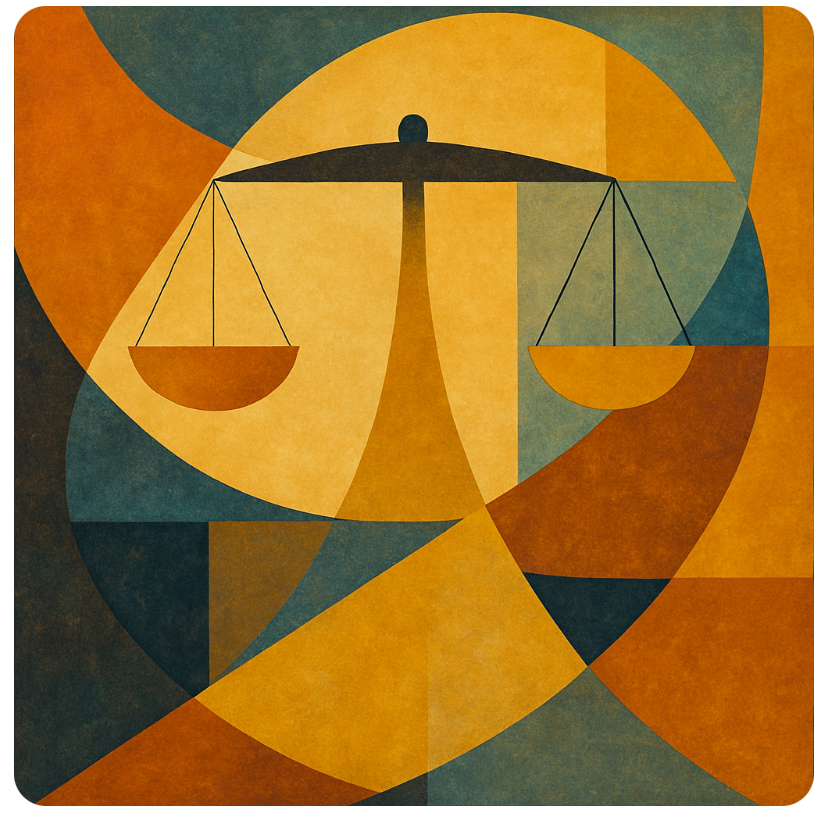
At last, an old shepherd stood up. He carried a pair of worn wooden scales.
He said,
“Why do you argue over numbers? The law is not in the counting but in the balancing. If you tip your neighbor’s life to loss, you must tip it back until it is level again. If you cannot tip it back with goods, then do it with labor, kindness, or care. The measure is not five for one, nor four for one. The measure is balance.”
The villagers gazed at the scales and saw wisdom. From that day on, when wrong was done, they asked only one question:
“How do we restore the balance?”
And the final lesson was clear: Justice is not measured in debts repaid but in harmony restored. ⚖️
🐑 A Simpler Kind of Justice
Think about it—these villagers solved centuries of courtroom drama with a shepherd, some scales, and common sense. No lawyers billing $500 an hour, no endless appeals, no 47-page terms and conditions. Just: break it, fix it; wound it, heal it; unbalance it, set it right.
Meanwhile, in our world, you need three lawyers just to return a broken toaster. Maybe it’s time we stole a page from the shepherd’s book.
Justice is not about making the numbers even, but about making life whole again.


 Chameleon Magazine
Leave a comment