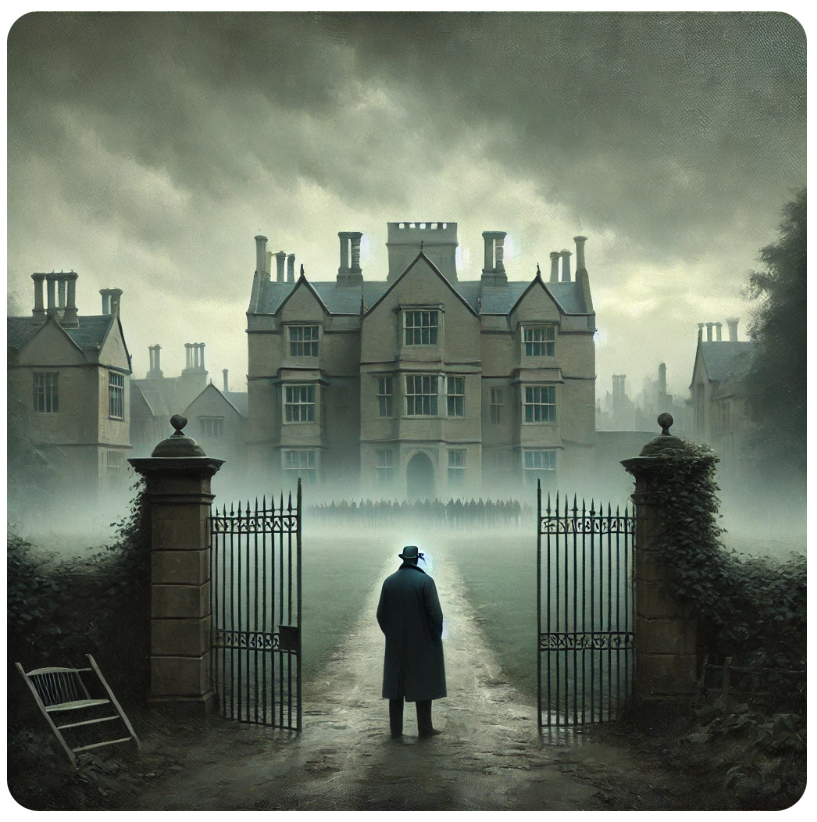
In the green hush of Windsor Park stood Royal Lodge — a mansion older than most empires, its chimneys breathing quiet defiance against the passing of years. Inside lived the Duke, a man once central to ceremony, now a ghost in the corridors of his own history.
When the people grew angry, their voices pressed like wind against the estate’s high gates. Why does he still live there? they demanded. Shouldn’t he be made to leave?
But the Duke, long prepared for such tempests, had laid his foundations not on favour, but on contract. Two decades earlier, he had signed his name to parchment and promise — a seventy-five-year pact that bound him to the house as tightly as ivy to stone. He paid his due, restored its bones, and earned not grace but law.
Now, the papers thundered and ministers muttered, yet none could undo the seal. The King himself, bound by the same invisible ink of legality, could not simply wave him away. For this was no palace gift; it was property — and property speaks the language of clauses, not crowns.
The Duke tended the grounds and kept to his rooms, a tenant by right, if not by grace. Outside, time and tempers shifted. Inside, the lease endured — as stubborn and silent as its occupant.
And so, the nation learned a quiet truth: that the weight of a man’s past may bend public favour, but not the letter of the law.
Privilege may fade with titles, but contracts are crowns no storm can strip away.


 Chameleon Magazine
Leave a comment