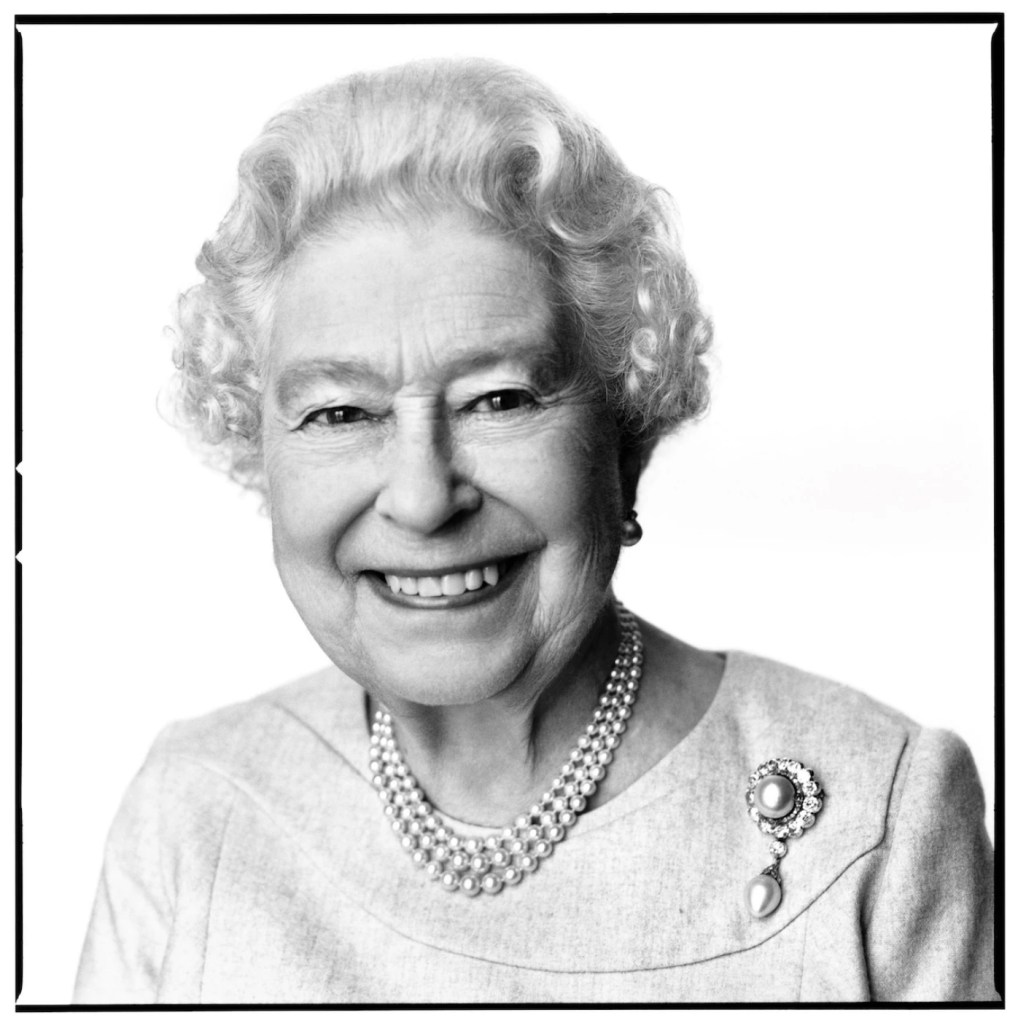
👑🚩So, David Lammy took down the Queen’s portrait and swapped it for pan-African flags. Cue the cultural firestorm, naturally. But here’s the twist: what if — just what if — the man has a point? And what if some of us, even without the same flags on our family tree, are starting to nod along?
Because here’s the uncomfortable truth: being offended by ditching the royal portrait only really works if you still believe the Royal Family should sit atop British life like some diamond-studded screensaver of national identity. And if you’re a republican — like me — then watching that portrait come down wasn’t an insult. It was the first bit of honest interior design the Foreign Office has seen in years.
🏛️ Royal Privilege, Pan-African Pride — and Public Paychecks
Let’s be real: why should we keep funding a family whose main qualifications are birth order and an ancestral land grab? Lammy’s move, while provocative, speaks to something deeper: a reckoning with the idea that “royalty” is a divine right instead of a heavily subsidised PR machine.
Sure, his flag switch was bold. Yes, it might’ve landed better with a little more tact. But his sentiment? His rejection of inherited supremacy and colonial nostalgia? That doesn’t make him un-British — it makes him overdue.
You don’t have to agree with every bit of the execution to see the bigger picture: Britain is changing. And maybe a Foreign Office that looks less like a Downton Abbey spin-off and more like the global world we live in is a necessary shake-up.
We can’t keep talking about inclusion while clinging to a family tree where the public foots the bill for royal carriages, palaces, and private jets — all because someone’s surname came with a crown emoji. It’s time to re-evaluate what representation really means — in our politics, our symbols, and yes, even our wall art.
⚡ Challenges ⚡
Can you be a patriotic republican? Is it time we ditched the tiaras and embraced a version of Britain that doesn’t orbit around the Windsor brand? Sound off in the blog comments. Agree, disagree — but don’t stay silent. This one hits at the heart of who we are.
👇 Comment, like, share — and drop your sharpest take below.
The best comments will feature in the next issue of the magazine. 🗳️🔥


 Chameleon Magazine
Leave a comment