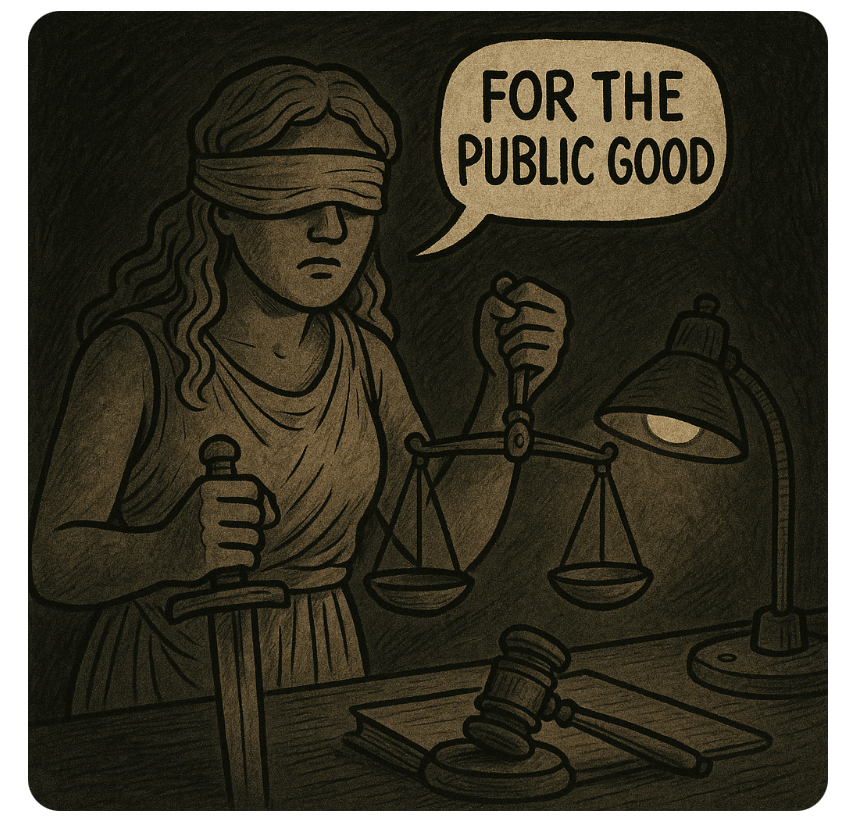
🚨🤐A teenage girl is assaulted. The men are convicted. And somehow… it’s their identities that get protected — not hers. Welcome to the upside-down theatre of legal absurdity, where shielding predators is pitched as “for the public good.”
🕳️ Legal Black Holes: Where Truth Goes to Die Quietly
Let’s break this down:
Lawyers — paid handsomely, no doubt — argued that revealing the names of convicted child sex offenders could “provoke riots” and “damage social cohesion.” Translation?
“We’re worried people might get too angry about child abuse, so best keep it hush-hush.”
Let’s call that what it is: institutional cowardice dressed in courtroom robes.
Since when did justice get rewritten as “don’t rock the boat”?
Since when did “public interest” mean “don’t tell the public”?
You don’t fight riots by hiding crimes. You don’t stop chaos by burying the truth.
You cause it — slowly, systemically, from the inside out. 🕳️💣
These weren’t men accused. They were men convicted — meaning a jury heard the evidence and said: they did it.
And yet the courts still considered shielding them — as if reputational harm matters more than the trauma of a teenager who now knows the system will contort itself to avoid discomfort.
What a message to survivors: “Speak up… but not too loud. We might find it awkward.”
And to those who say “calm must be preserved”?
There is no calm in silence.
No peace in ignorance.
And no justice in a legal system that protects predators from public consequences after due process has already spoken.
⚖️ Challenges ⚖️
Are we really okay with courts deciding that feelings about justice are more dangerous than the crimes themselves? Should public rage be feared more than repeat offenders? Speak up — because silence is what these systems count on. 💬🔥
👇 Comment below. Should convicted sex offenders be shielded for “the greater good”? Or is that just code for “sweep it under the rug”?
Best comments will be featured in the next issue of the magazine. 📝⚡


 Chameleon Magazine
Leave a comment