
🏗️🪓Empires don’t die by accident. They die by design, decay, and a parade of delusions dressed in bureaucratic robes. Rome didn’t fall because of ambition—it fell because it stopped doing the basics. Infrastructure, law, logistics—forgotten. Britain didn’t lose its grip because it ran out of genius—it lost because it mistook moral posturing for maintenance. And now? We’re living in the parody sequel: a globally connected world governed by people who can’t even connect functioning bins to pavements.
🛣️ From Aqueducts to Excuses: The Regression of Competence
Rome built systems that didn’t care who wore the crown. Aqueducts flowed regardless of Caesar’s ego. Roads outlived emperors. Contracts meant something even after the sword was sheathed. Power changed hands, but the plumbing still worked.
That wasn’t magic. It was logistics. Ruthless, boring, magnificent logistics.
But the rot came later—when rulers preferred praise to performance. Institutions that once enabled prosperity were hollowed into status toys. Offices became extraction points. Maintenance was seen as optional. Decisions were made for short-term headlines, not long-term survival.
When movement slows, trust dies. When law bends to personalities, markets rot. The empire didn’t fall because it went too far. It fell because it refused to go back to first principles—and fix what made it great.
🚂 The British Blueprint: Build Big, Then Blame Later
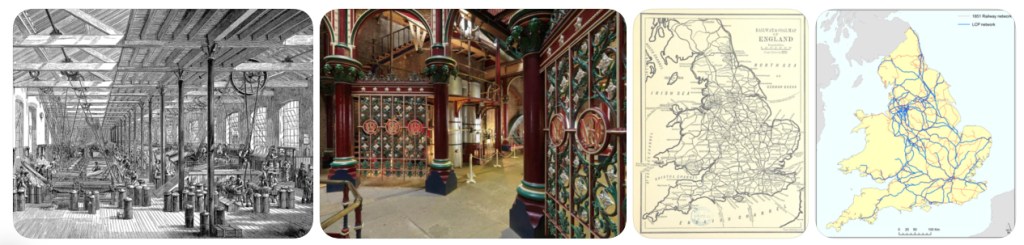
Britain followed the Roman script—for a while. It industrialized. It drained swamps and built drains. It codified law. It created cities people wanted to live in. Not because they were poetic, but because they functioned.
Britain didn’t just make machines—it made environments where invention could thrive. Courts that upheld contracts. Railways that ran. Civil servants who served. Ports that shipped. Financial systems that didn’t collapse on feelings.
The global envy wasn’t about empire. It was about execution. And now? That legacy is being replaced with… managed neglect.
We still act like there’s something inherently broken about the world. But the truth is worse: many governments simply stopped doing their job. Not because it’s impossible—but because accountability is out of fashion.
So tents rise in cities that once represented prosperity. Streets are treated like temporary zones. And public services become social experiments in what people will tolerate.
This isn’t compassion. It’s failure with a press release.
🧠 The Internet Age: Knowledge Created, Then Caged
And then comes the most poetic failure of all.
We invented the internet. The most powerful tool since the printing press. A revolution of agency, commerce, education. It could’ve expanded freedom, deepened understanding, and raised civic competence.
But our systems weren’t ready. Our institutions had already atrophied. So when the chaos came, the response wasn’t smarter government—it was restrictive government.
We didn’t build better schools. We didn’t teach kids how to use the tools. We just locked them out.
“It’s too dangerous for children.”
Okay. But when does it become too dangerous for adults? When does protection quietly become censorship? When does “curation” become control?
Governments that can’t handle disagreement default to disappearance. Don’t fix the problem—just filter the perception. Manage what’s discussable. Punish what’s unpredictable.
Empires don’t decline because people know too much. They decline when elites decide ignorance is easier to manage than truth.
⛺ Back to the Slums, By Policy Choice
This is the defining farce of modern governance: we aren’t slipping backward—we’re marching into regression. With flags. And slogans. And spreadsheets full of denial.
Public transport is slowed for “safety”—instead of making it work.
Housing crises are padded with rhetoric—instead of construction.
Public order collapses—but enforcement is “problematic.”
Digital tools are smothered because free thought terrifies the insecure.
Rome didn’t fall because of barbarians. It fell because Romans stopped maintaining roads.
Britain didn’t decline because of colonial shame. It declined because it stopped building things that worked.
Empires don’t fail in one big, dramatic speech.
They fail when tent encampments replace high streets, and no one in office owns a wrench.
🧱 Final Thought: Build or Be Forgotten
We live in a globally connected world that behaves like a tribal council. We need grown-up governance—not a managerial class performing competence on morning shows.
Freedom without systems is chaos. Systems without freedom is tyranny.
We need both. We used to have both.
Empires rise when they solve big, boring problems.
They fall when image becomes more important than execution.
And right now, we are scripting our own downfall—in PowerPoint.
🔥 Challenges🔥
What are you seeing where you live? Where are the roads crumbling while the spin doctors flourish? Have your say—this isn’t just about history. It’s about whether your city, your country, your future is heading forward or just rehearsing failure in new language.


 Chameleon Magazine
Leave a comment