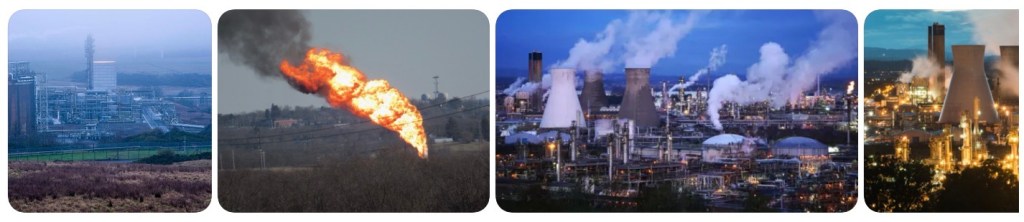
Once a mighty monument to industrial ambition, the Mossmorran ethylene plant now joins the ghost fleet of British manufacturing casualties. But don’t worry—at least our conscience is clean, right? While Saudi Arabia builds billion-dollar facilities with pocket change and the US fracks its way to petrochemical dominance, the UK chose principled decline. Mossmorran didn’t fail because ExxonMobil was broke—it failed because the UK is addicted to losing beautifully.
🏭 Burning Gas, Burning Cash, Burning Out
Forget the fairy tales. Mossmorran didn’t die of old age—it was euthanised by a mix of political performance art, regulatory red tape, and a national allergy to energy realism.
Let’s break it down:
- The plant was old, yes. But so is the London Underground, and we still pour billions into keeping that creaking circus on the rails. Mossmorran could have been modernised—if anyone had bothered to care.
- Feedstock disadvantage? Absolutely. Instead of tapping our own shale reserves, we chose imported Norwegian ethane like it was artisanal olive oil.
- Frequent flaring and outages? Well, maybe don’t run 1980s infrastructure in 2026 and expect Tesla-level uptime.
But none of that had to be fatal. The real nail in the coffin? The UK government’s passive-aggressive industrial strategy:
“We want you to be green, cheap, competitive, reliable, and profitable—on your own dime. Good luck!” 🙃
Meanwhile, ExxonMobil compares investment options like it’s shopping on Amazon Prime. Why keep Mossmorran when its cousin in Texas runs cheaper, cleaner, and gets tax breaks instead of lectures?
And don’t forget—this was a joint venture. Shell and ExxonMobil don’t do charity. If the UK won’t co-invest or provide predictable policy, they’ll walk. And they did.
So now what? We get to be morally superior while importing the same chemicals from countries that laugh at our net zero fantasies and pay 1/3 the energy cost.
🌀 Challenges 🌀
Why do we treat heavy industry like a temporary embarrassment? Are we trying to compete globally or just win Twitter arguments about flaring footage? Should governments share the cost of keeping these plants competitive—or are we happy being customers of petro-states while pretending wind power can run a chemical plant? 🏭💨


 Chameleon Magazine
Leave a comment