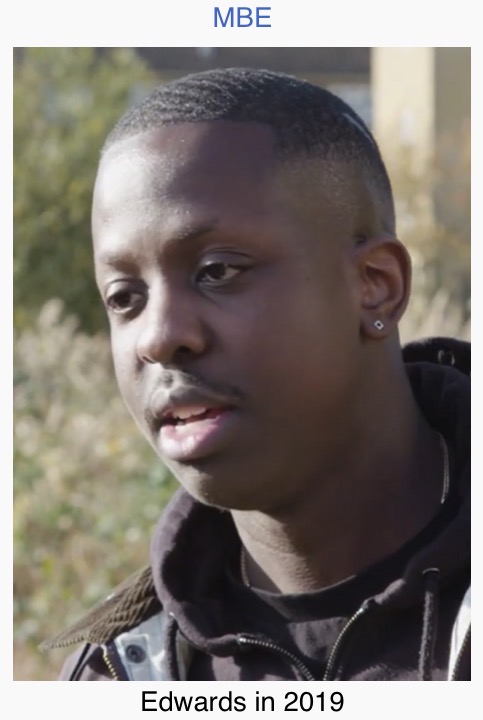
🎧🕯️On 20 February 2022, Jamal Edwards died at just 31, from a cardiac arrhythmia following cocaine use. The founder of SBTV had been DJing the night before. Tributes flooded in—from Lady Leshurr to King Charles III, who praised his work with The Prince’s Trust.
And then came the halo.
Not grief. Not remembrance. A halo. 👼✨
Because in modern Britain, we don’t just mourn—we canonise. We airbrush. We polish. We build pedestals so tall they need planning permission.
🎤 Saints in Snapbacks & Selective Memory
Here’s the uncomfortable truth no one wants to tweet: tragedy does not equal sainthood.
Yes, Edwards built platforms. Yes, he opened doors. Yes, he helped talent from Birmingham break into London’s music scene. That matters. 💿🔥
But somewhere between heartfelt tributes and Instagram montages, nuance quietly packed its bags and left the building.
We’re told this is a story of inspiration. Of legacy. Of impact.
And it is.
But it is also a story about recreational drugs. About risk. About consequences. About a man—grown, privileged, supported—making choices that countless less-visible young people also make… without the safety nets, the royal endorsements, or the glowing obituaries.
That’s not cruelty. That’s context.
There are families across the country burying sons and daughters lost to substances. No ambassadors. No headlines. No monarchial condolences. Just folded orders of service and unbearable silence.
So when we elevate one man to mythic status, some people can’t help but ask:
Is this about his work—or about our need for heroes? 🤔
Grief deserves respect. But honesty deserves space too.
Because if we can’t talk openly about drugs, influence, responsibility, and the culture that glamorises excess, then what exactly are we learning?
🔥 Challenges 🔥
Here’s the question nobody wants to type out loud:
Are we honouring legacy—or avoiding hard conversations?
Does putting someone on a pedestal help prevent future tragedies… or does it quietly shield uncomfortable truths?
Drop your thoughts on the blog itself—not just the social scroll. Bring nuance. Bring empathy. Bring disagreement. 💬⚡
👇 Comment. Share. Challenge the narrative.
The sharpest, most thoughtful takes will be featured in the next issue of the magazine. 📝🔥


 Chameleon Magazine
Leave a comment