🎓💻🇬🇧Britain’s universities are under growing pressure to tackle extremism on campus or face serious consequences from the regulator, the Office for Students. Concerns about hate speech, radicalisation, and ideological intimidation are forcing the country to confront an uncomfortable question:
Is the traditional university model still fit for purpose in the modern world?
Because the truth is, the current system isn’t just vulnerable to extremism—it’s also expensive, unequal, and increasingly outdated.
Maybe the real solution isn’t tighter campus policing.
Maybe it’s time to rebuild the entire system for the digital age.
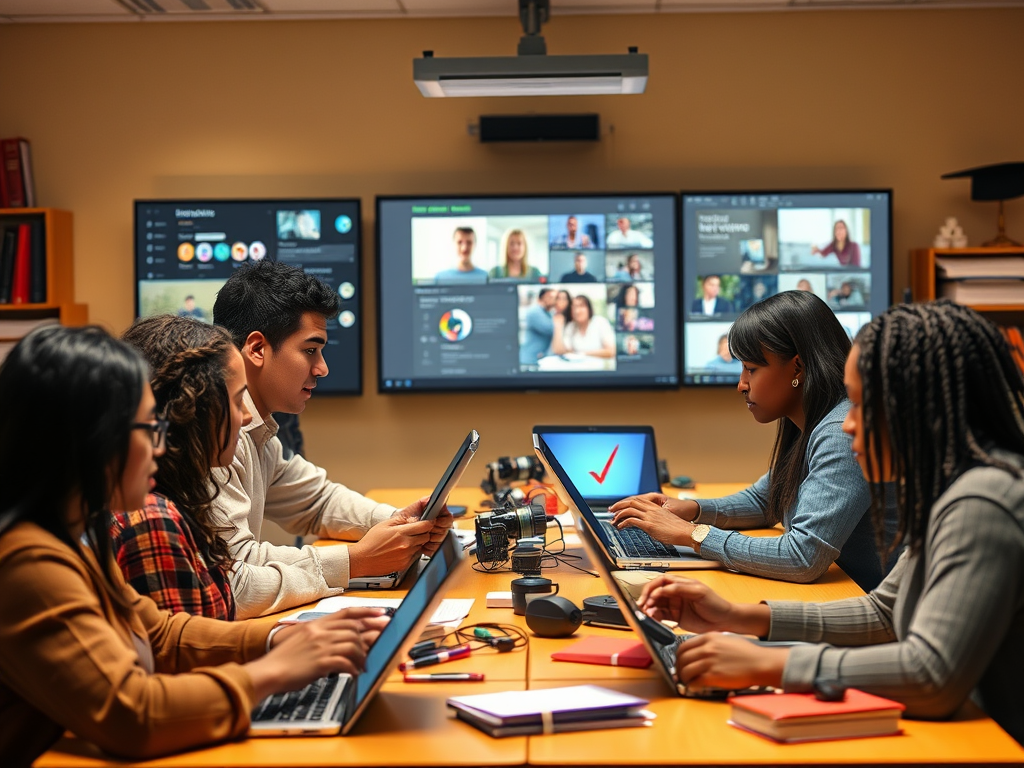
💻 A National Online University System
For centuries universities have relied on the same structure: enormous campuses, expensive buildings, and tens of thousands of students packed into lecture halls.
But technology has already shown us something important: learning doesn’t need to happen in a physical room.
Institutions like Open University have proven for decades that high-quality degrees can be delivered remotely.
Now imagine taking that idea nationwide.
A modern online university system could:
- Slash tuition costs by removing massive campus overheads
- Allow students to study anywhere in the UK without relocating
- Make education accessible to working people, parents, and carers
- Create monitored learning environments where extremism is harder to hide
Instead of education being concentrated in a few wealthy university towns, knowledge would become truly national and accessible.
A student in Cornwall, Cumbria, or a struggling inner-city neighbourhood could access the same lectures as someone living next door to an elite campus in London.
That’s not just reform.
That’s educational equality.
🎥 Put the Best Lecturers on National Broadcast
Here’s where it gets interesting.
Instead of thousands of mediocre lectures happening across dozens of universities every day, Britain could identify the very best lecturers in each field and record world-class courses delivered to the entire country.
And who better to do it than the national broadcaster, BBC?
The BBC already produces world-class documentaries, science programming, and educational content.
So imagine this:
- The best historian in Britain delivering a national lecture series
- The top physics professor explaining quantum theory to thousands of students
- Leading economists teaching modern finance to the entire country
Professionally filmed.
High production quality.
Available to every student in Britain.
If taxpayers fund the BBC, why not use that infrastructure to educate the nation as well as entertain it?
And let’s be honest—some of these professors earning hefty salaries could finally be made to earn their money in front of the whole country. 🎥
⚖️ Cheaper, Fairer, and Harder for Extremism to Spread
The current university system isn’t cheap.
Students today face:
- £9,000+ tuition fees
- huge accommodation costs
- relocation expenses
- years of debt
The real cost of a degree can easily exceed £50,000 or more before interest even begins to climb.
A national online system could dramatically cut those costs.
It would also allow regulators like the Office for Students to monitor digital learning environments more effectively than sprawling campuses where extremist groups sometimes recruit quietly behind closed doors.
That doesn’t mean suppressing debate.
But it does mean making sure universities remain places of education—not ideological battlegrounds.
🧠 Knowledge Shouldn’t Be Locked Behind Expensive Campuses
Universities were originally built to spread knowledge.
Over time they’ve become something else:
- prestige clubs
- property empires
- and sometimes ideological echo chambers
Moving education online wouldn’t destroy universities.
It would modernise them and bring them into the same digital era that has already transformed banking, media, and work.
Britain could build the most accessible education system in the world—one where the best teachers reach millions instead of a few hundred students in a lecture hall.
And that would finally fulfil the real mission of education:
knowledge for everyone, not just those who can afford the postcode.
🔥 Challenges 🔥
Why should access to higher education depend on where you live or whether you can afford to move to a university city?
Would a national online university system—featuring the best lecturers filmed by the BBC—make education cheaper, fairer, and more transparent?
Or would shutting down traditional campuses destroy something valuable about student life?
Drop your thoughts in the blog comments (not just Facebook). We want bold opinions, controversial ideas, and solutions Westminster seems too nervous to explore. 💬🔥
👇 Comment, like, and share if you think the future of education in Britain needs a radical rethink.
🏆 The best comments will be featured in the next issue of the magazine.


 Chameleon Magazine
Leave a comment