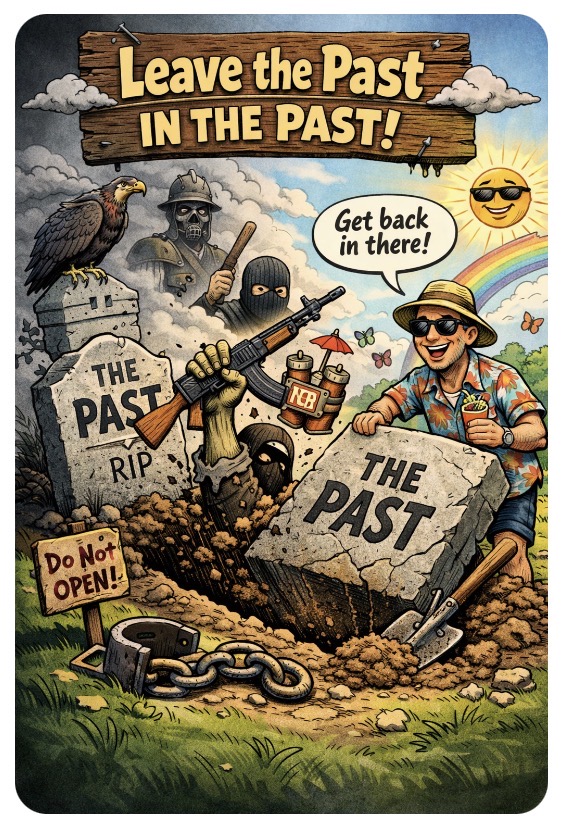
🧨🗳️A courtroom in Ireland has revived an old political ghost: allegations that former Sinn Féin leader Gerry Adams had direct involvement with IRA terrorism—claims reportedly echoed by former U.S. president Bill Clinton. The accusation surfaced during a High Court trial where Adams himself arrived wearing a bullet-proof vest, a visual reminder that the shadows of the Troubles still linger. Decades after the conflict, the question refuses to die: were figures like Adams political leaders, revolutionary fighters, or something uncomfortably in between?
🎭 When History Walks Into Court Wearing Body Armour
History has a habit of refusing to stay politely archived. It barges back in wearing a bullet-proof vest and demanding another hearing.
The renewed allegations about Gerry Adams and the IRA are hardly shocking to anyone who lived through—or even skim-read—the history of Northern Ireland. For decades, critics claimed Adams was more than just a political spokesman. Adams himself has consistently denied ever being a member of the IRA. Meanwhile, journalists, former militants, intelligence officials, and political rivals have all offered conflicting versions of the truth.
And then there’s Bill Clinton casually floating in the background of the story, like the unexpected cameo in a historical drama nobody ordered. Clinton played a key diplomatic role in the Northern Ireland peace process during the 1990s, helping shepherd negotiations that eventually led to the Good Friday Agreement in 1998. That agreement turned bitter enemies into reluctant negotiating partners and proved something astonishing: people who once argued with explosives could, under the right pressure, learn to argue with microphones.
But history rarely offers neat heroes and villains. Conflicts like the Troubles produced people who were simultaneously freedom fighters to some and terrorists to others. Nelson Mandela was once labeled a terrorist by Western governments before becoming a global icon of reconciliation. The same moral fog hangs over many revolutionary movements.
So the uncomfortable question you raise is actually the heart of the debate: Are we right to judge them?
Well… yes and no.
Violence against civilians is difficult to justify in any moral framework. Bombings, shootings, and sectarian killings left thousands dead and entire communities traumatised. Those victims don’t disappear just because someone believed their cause was righteous.
At the same time, history is full of conflicts where people felt they had no other path. Colonial struggles, civil wars, insurgencies—each side usually believes it’s fighting oppression while the other calls it terrorism. Perspective often depends on which side of the border, barricade, or history book you’re standing on.
That’s why trials and accusations decades later feel so combustible. They reopen wounds that many societies are still trying to heal. For some people, revisiting the past is necessary for truth and justice. For others, it risks dragging everyone back into arguments that the peace process tried to leave behind.
And so the strange theatre continues: ageing revolutionaries in courtrooms, political ghosts being cross-examined, and history stubbornly refusing to settle its tab.
🔥 Challenges 🔥
Here’s the real question worth arguing about:
When does a “freedom fighter” become a terrorist—and who gets to decide?
Is it the method? The target? The outcome? Or simply which side wins the war and writes the history books?
Jump into the blog comments and tell us where you draw the line. Was armed struggle ever justified in Northern Ireland—or was it always a tragic mistake? 💬⚖️
👇 Comment on the blog, like, and share this piece to keep the debate alive.
The sharpest takes, fiercest arguments, and best mic-drops will be featured in the next issue of the magazine. 🎯📝


 Chameleon Magazine
Leave a comment