🐦⚡Labour’s latest masterstroke: clamp down on pheasant shooting while carpeting half a million acres of England in solar panels. Because nothing says “balanced rural policy” quite like telling the countryside to stop shooting birds and start reflecting sunlight. One minute it’s tweed jackets and shotguns, the next it’s hi-vis vests and photovoltaic spreadsheets. Progress, apparently, comes with a charger.
🌾 From Shotguns to Solar Farms: The Countryside Glow-Up Nobody Asked For
So here we are—reimagining “meat habitats” as if pheasants have been living in Airbnb lodges waiting for their ethical rebrand. The countryside, once a battleground of tradition versus wildlife, is now pivoting to become one giant phone charger for the nation. 🔋
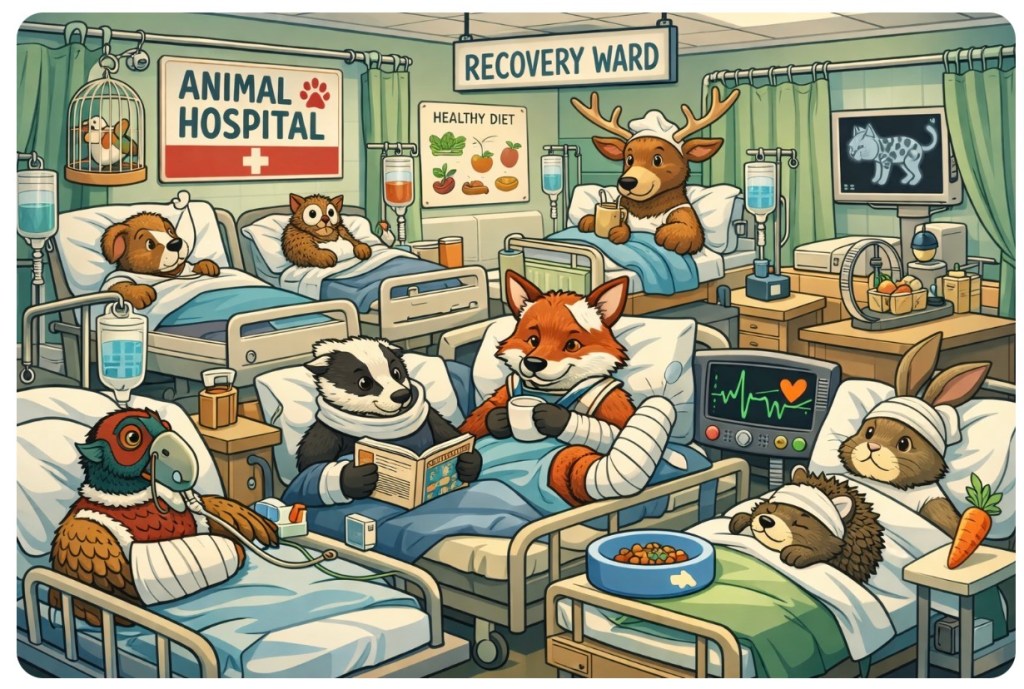
But let’s unpack the logic. No more shooting = more animals. More animals = longer-living ecosystems. Longer-living ecosystems =… apparently pensioners living longer too? Bold leap, but sure—let’s roll with it. Soon we’ll have NHS-style animal hospitals where badgers get physiotherapy and pheasants are offered counselling for “near-miss trauma.” 🏥🐾
And while we’re at it, who exactly is footing the bill for this utopia? Because replacing country sports with solar grids isn’t just a cultural shift—it’s a full-blown identity swap. The countryside isn’t being preserved; it’s being rebooted like a glitchy laptop.
Meanwhile, traditionalists are clutching their flat caps in horror. “What’s next?” they cry. “Ban fishing? Tax wellies? Regulate jam-making?” 🍓
But there’s a deeper question lurking beneath the feathers and solar panels: are we actually improving the balance between humans, animals, and land—or are we just swapping one extreme for another?
🔥 Challenges 🔥
If we stop hunting, what replaces it—morally, economically, culturally? Are we protecting nature… or sanitising it into something unrecognisable? And who gets to decide what’s “ethical” in a country that still argues about beans on toast?
Jump into the comments on the blog—don’t hold back. Are we evolving, or just slowly unplugging tradition? 💬⚡
👇 Smash that comment button, like it, share it, argue about it.
The sharpest takes, hottest roasts, and wildest opinions will be featured in the next issue of the magazine. 🎯📝


 Chameleon Magazine
Leave a comment