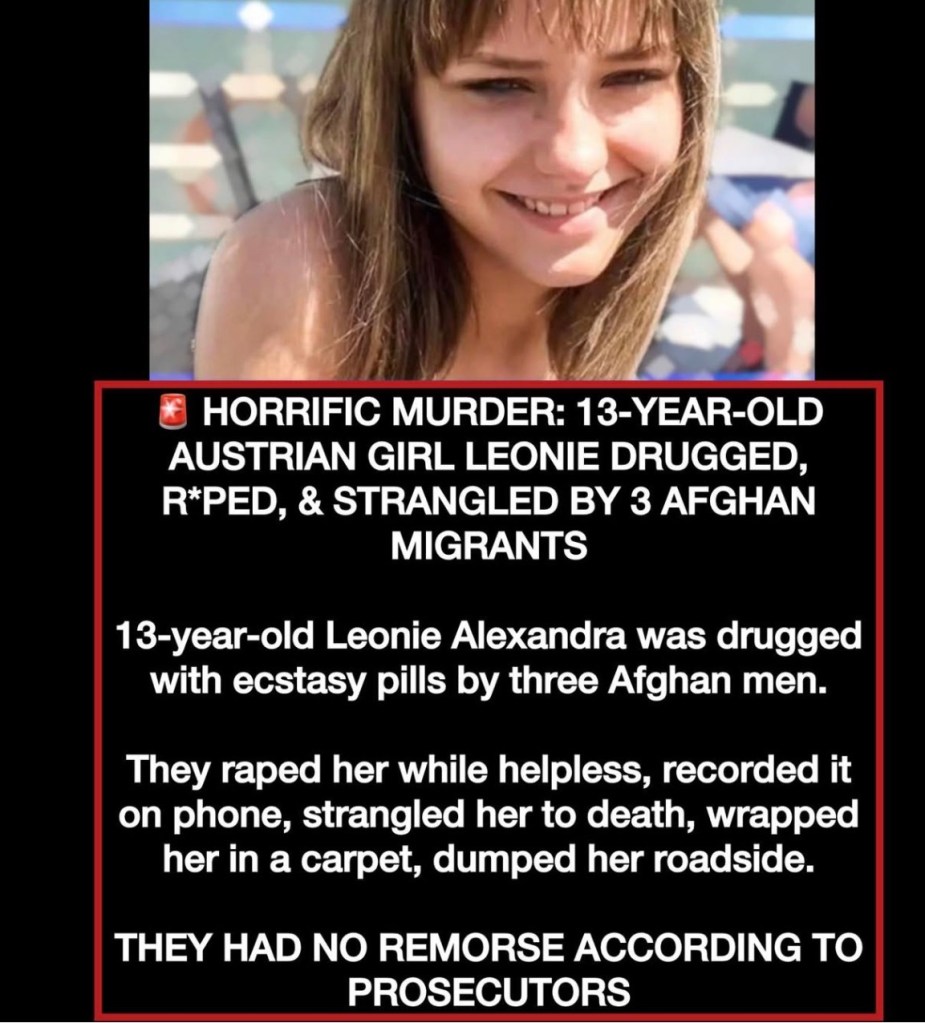
🚨🏛️There’s a breaking point in every society—not when change happens, but when people feel it’s happening to them, not with them. And right now, that tension is boiling over.
⚠️ The Question Politicians Don’t Want Asked
Let’s strip it back to what people are really asking:
Have those in power actually put the right controls in place to safeguard their citizens—or have they simply hoped for the best?
Because this isn’t just about borders. It’s about responsibility.
If you introduce new people into a country—whatever the reason—then the obligation isn’t just to process paperwork and tick boxes. It’s deeper than that:
👉 Have they been properly vetted beyond surface-level checks?
👉 Do they understand and respect the laws and values of the country they’re entering?
👉 Have citizens been honestly informed about how their society is changing?
Or has it all been quietly pushed through under the banner of “progress,” while ordinary people are left to figure it out in real time?
🧠 The Gap Between Policy and Reality
Here’s where frustration turns into anger:
People don’t just fear change—they fear unmanaged change.
They fear:
- systems stretched too thin to cope
- decisions made without transparency
- risks dismissed until something goes wrong
And when politicians stand there insisting everything is fine—while people feel things are shifting beneath their feet—that’s when trust collapses.
Because leadership isn’t just about making decisions.
It’s about owning the consequences of those decisions.
⚖️ Accountability Isn’t Optional
If policies reshape a country—socially, culturally, or structurally—then leaders should be able to answer, clearly and directly:
Did you do enough to keep people safe?
Did you prepare the system?
Did you tell the truth about the impact?
If the answer is anything less than a confident yes…
then accountability isn’t political—it’s unavoidable.
🔥 Challenges 🔥
Is this about resisting change—or demanding it’s done responsibly? 🤔
At what point does public concern become something leaders can’t ignore?
Drop your take in the blog comments—raw, honest, and unfiltered. 💬🔥
👇 Like it. Share it. Challenge it.
The most powerful responses will be featured in the next issue of the magazine. 🎯📝


 Chameleon Magazine
Leave a comment