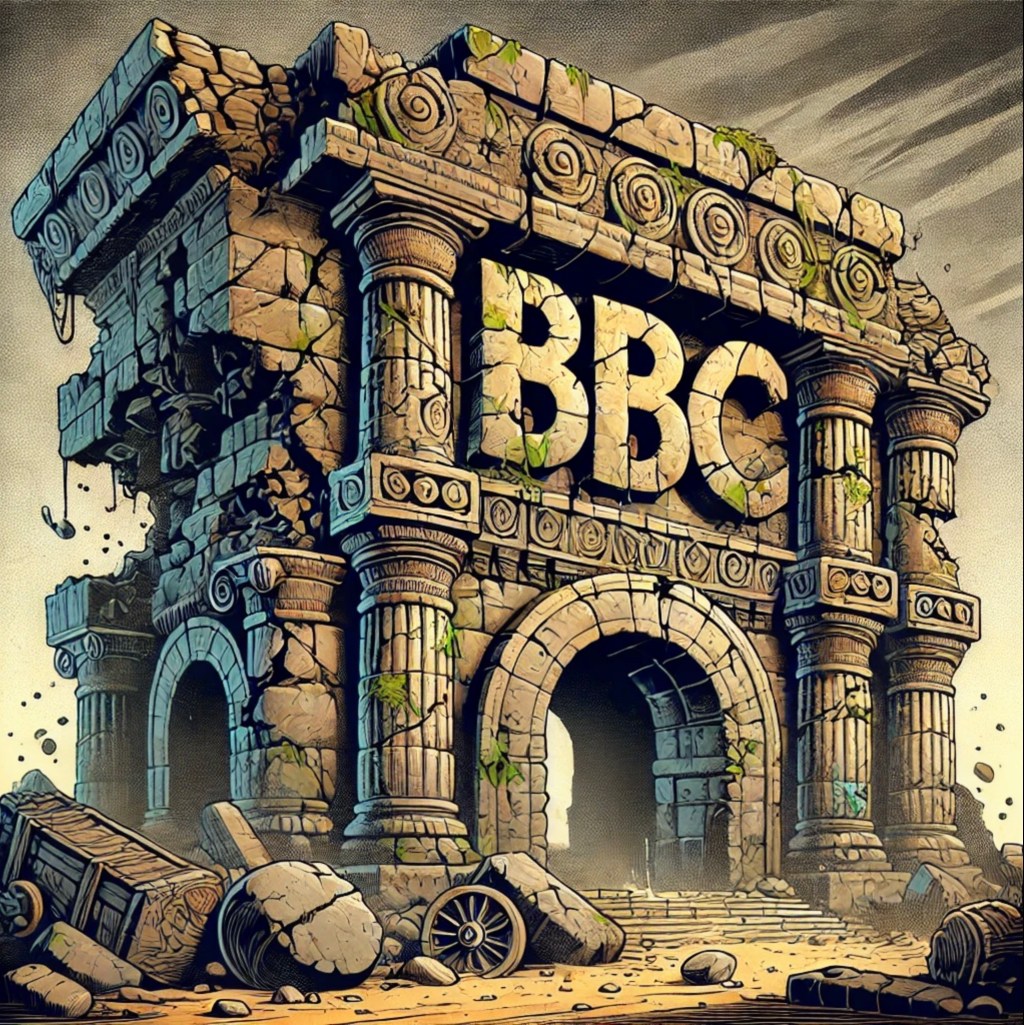
📺💷🤝From edited clips to scandals that linger longer than a BBC drama finale, the Corporation’s greatest production might just be its ability to weather controversy without ever quite answering for it. And now—just as trust wobbles—the plot thickens: whispers that the licence fee could morph into something far less optional… and far more like a tax.
Because nothing rebuilds public confidence quite like removing the public’s choice. 🙃
🏛️ When “Public Service” Starts Sounding Like “Public Obligation”
Let’s rewind the greatest hits.
There was the eyebrow-raising editing involving Donald Trump—dismissed as a minor slip, depending on how forgiving you’re feeling.
Then the institutional failure surrounding Jimmy Savile, where warnings existed but urgency apparently didn’t.
And more recently, the saga of Phillip Schofield, which again raised that now-familiar question: how does so much remain unseen… until it suddenly isn’t?
Individually, each case comes with its own complexities. But together? They start to look less like isolated storms and more like a climate.
And now enters the next twist: reports and political murmurs that UK Government could explore making the licence fee resemble a mandatory levy—effectively turning “pay to watch” into “pay because you must.”
Alleged, discussed, floated—choose your preferred flavour of plausible deniability. But the direction of travel is what raises eyebrows.
Because here’s the uncomfortable cocktail:
An institution facing repeated questions over transparency… potentially paired with a funding model that removes the public’s ability to opt out.
Trust us. Fund us. No refunds.
It’s the kind of relationship status that would make even the most committed licence payer swipe left.
🔥 Challenges 🔥
If accountability feels optional, should payment become mandatory? And if the system hasn’t convinced you yet—what exactly are you being asked to commit to?
Is this about protecting public broadcasting… or protecting the broadcaster?
Drop your thoughts in the blog comments—measured, furious, or dripping in sarcasm. 💬🔥 This is the conversation they can’t edit, delay, or quietly move off the front page.
👇 Comment, like, and share. Call it out or call it fair—but don’t stay silent.
The sharpest takes will be featured in the next issue of the magazine. 🎯📝


 Chameleon Magazine
Leave a comment