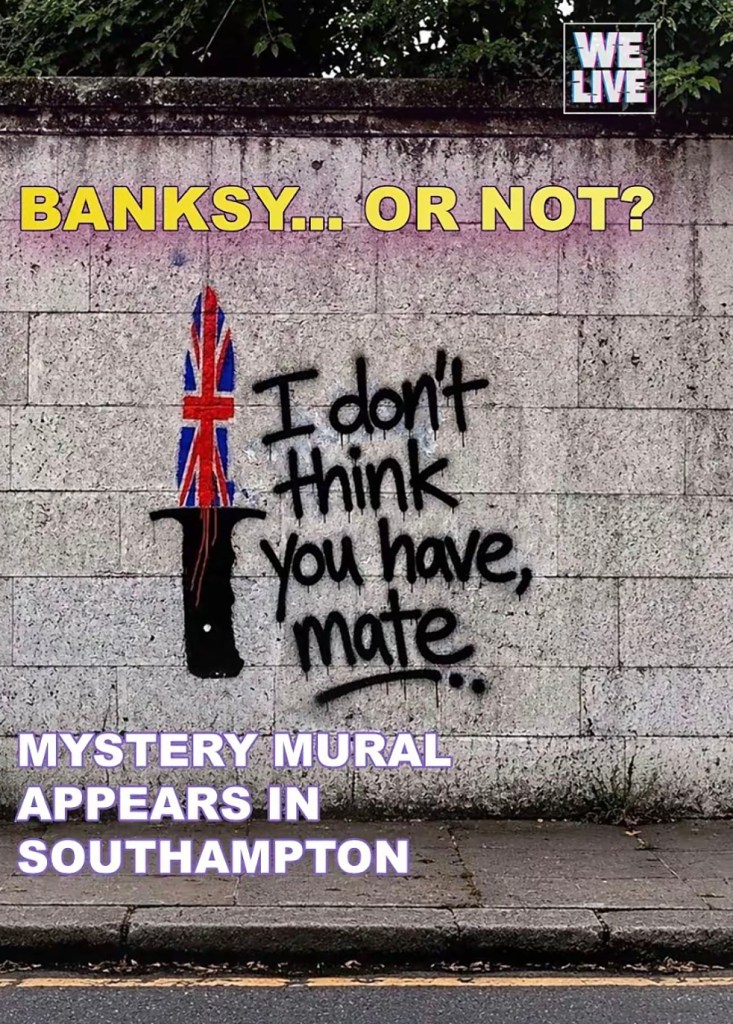
When those in power stop listening to the people who fund the system through their taxes, they should not be surprised when frustration begins to surface in unexpected places. First it appears in conversations, then in graffiti, then in independent media, and eventually in movements that exist outside the traditional political establishment.
You cannot indefinitely dismiss concerns, silence criticism, or label every uncomfortable opinion as unacceptable without consequences. People do not simply abandon deeply held beliefs because they are told to. If anything, attempts to suppress discussion often drive it underground, where resentment grows unchecked and beyond the reach of those who believe they are still in control.
History teaches the same lesson repeatedly. Political institutions survive not because they are powerful, but because they retain the consent and confidence of the people they govern. Once that confidence begins to erode, cracks start to appear. At first they are small and easily ignored. Then they spread.
The greatest danger for any governing class is not opposition itself, but the belief that opposition can be safely disregarded forever. The further politicians retreat into their own insulated world, the less they understand the concerns of ordinary citizens. Eventually a point is reached where people no longer believe the system represents them, protects them, or even listens to them.
That is how great institutions decline. Not overnight, but through years of complacency, arrogance, and detachment from the public they were created to serve.
The Roman Empire was not brought down in a single day. Its decline came through a gradual loss of cohesion, confidence, and legitimacy. The lesson is not that history repeats itself exactly, but that no system is immune from the consequences of ignoring the people upon whom its authority ultimately depends.
Governments that listen endure. Governments that dismiss, lecture, and alienate do so at their own peril.


 Chameleon Magazine
Leave a comment