“Small Targets, Big Mouthpieces: When the BBC Forgets its Mic is On”

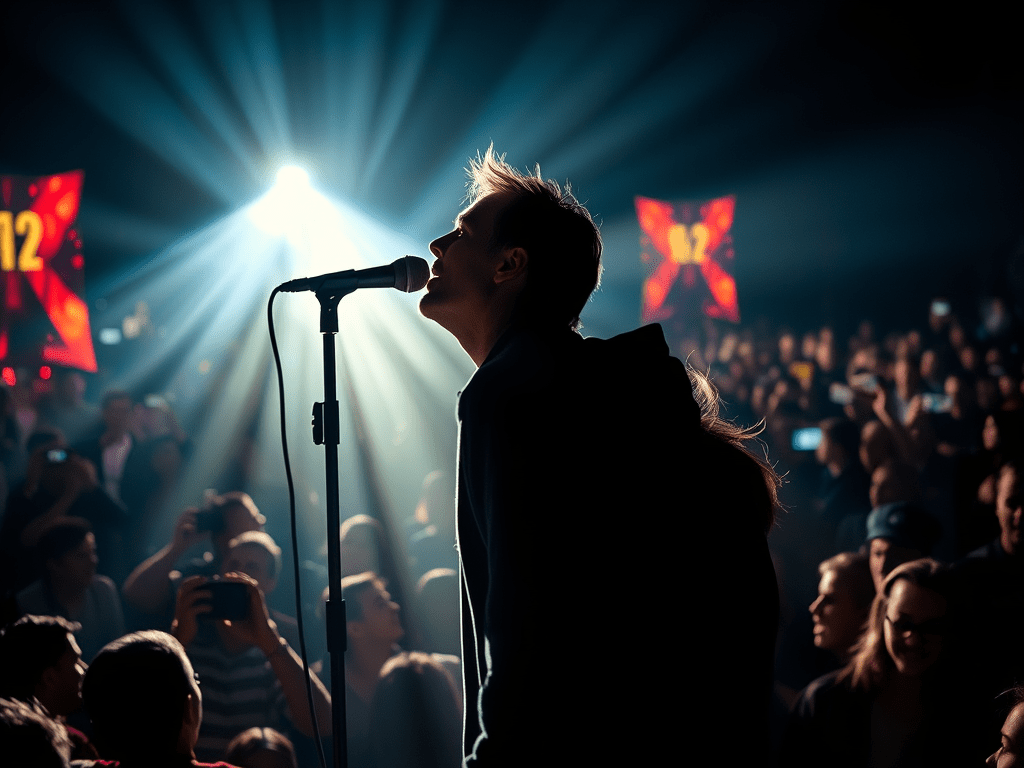
When rap duo Bob Vylan took the stage at Glastonbury and chanted “Death to the IDF,” the controversy wasn’t just about the words. It was about who amplified them.

Within hours, social media erupted, politicians scrambled for statements, and the BBC found itself in the crosshairs—not for recording the moment, but for broadcasting it live, unfiltered, and with all the editorial foresight of a runaway freight train. This wasn’t a case of something slipping through the cracks. This was a national broadcaster giving its platform, however briefly, to a moment that demanded immediate scrutiny.

Meanwhile, Lucy Connolly, the wife of a Conservative councillor, remains behind bars for a private WhatsApp post that was deemed hate speech. Her appeal has been rejected. Her sentence—a striking 31 months—stands firm. The judiciary has spoken. The Home Office has shrugged. And the BBC? Silent.

Now ask yourself: how is it that one woman can be imprisoned for a message most people never saw, while a multi-billion pound institution can beam incendiary chants into living rooms across Britain and chalk it up to a “warning message on screen”?

The Double Standard Nobody Wants to Admit

Here’s the thing: it’s easy to target individuals. Lucy Connolly is just one person. Bob Vylan are two men with mics. But the BBC? That’s a fortress of policy, public money, and polished PR statements. And institutions like the government and judiciary? They’re never as swift or severe with giants as they are with the lone figures on the ground.

This isn’t just about one song or one sentence. It’s about the hypocrisy of claiming to uphold hate speech laws with an iron fist—only when it suits. If Bob Vylan’s performance is under review, why wasn’t there an immediate editorial shutdown? If Connolly’s post was dangerous, why isn’t live national broadcasting of “Death to the IDF” considered equally inciting?

We’ve reached a tipping point. One where it feels like hatred is being weighed not by its content, but by its speaker. Where legal consistency falters at the feet of optics and political alignment.

This Wasn’t an Accident

The BBC didn’t “miss” this moment. Glastonbury is one of the most tightly managed broadcast events in the UK. Performances are planned, reviewed, sound-checked. If this went out live, someone chose not to cut the feed.

That’s not an oversight. That’s editorial judgment. And that judgment must now be judged.

Because if we don’t hold our national institutions accountable when they amplify the very hate they claim to oppose, then we are not protecting free speech—we are twisting it into a weapon wielded only by those too large to challenge.

🧠 Challenge for You, Reader:

Is hate speech about what’s said, who says it, or who lets it echo? Should institutions like the BBC be prosecuted when they broadcast what individuals are imprisoned for writing? Let me know below—or better yet, share this and demand better from those with the loudest megaphones.

2 responses to ““Small Targets, Big Mouthpieces: When the BBC Forgets its Mic is On””

  1. johnnjdavies Avatar
    johnnjdavies

    “Should institutions like the BBC be prosecuted when they broadcast what individuals are imprisoned for writing?”

    No. Absolutely not. The BBC is not the source of the (alleged) hate speech. There’s no practical way for the BBC to know in advance exactly what a live guest or performer—like Bob Vylan—is going to say. Live broadcasts inherently carry some unpredictability, and even with careful vetting and planning, guests can choose to say things that cross legal lines without warning. Holding a broadcaster criminally responsible for that would have a chilling negative effect on free expression and live discussion.

    It would force broadcasters to avoid live content altogether or impose such heavy censorship and delays that meaningful, spontaneous dialogue would be lost. Instead, the right approach is to hold individuals accountable for their own words if those words break the law. Broadcasters can and should act responsibly—by setting guidelines, using delay mechanisms when feasible, and dealing with breaches after the fact—but prosecuting them for things they reasonably couldn’t predict would be unjust and damaging to open media.

    Liked by 1 person

    1. chameleon15026052 Avatar

      Yes, free expression matters—but so does responsibility.

      The BBC isn’t just some open mic night. It’s a state-backed broadcaster with editorial standards, reach, and influence. And while live content carries some unpredictability, this wasn’t an unfolding crisis or spontaneous protest. It was a pre-scheduled performance by a band, not a breaking news event. That distinction matters.

      In such cases, the broadcaster has options: time-delay buffers, content vetting, pre-recording, editorial oversight. These aren’t science fiction—they’re standard tools used across the industry to avoid exactly this kind of incident. The BBC chose not to use them. That choice has consequences.

      You don’t get to abdicate responsibility by pointing at spontaneity when you deliberately chose to go live without safeguards.

      And here’s the deeper issue: when a band uses a high-profile public platform to make a potentially inflammatory political statement—especially on a topic as charged as the Israel–Palestine conflict—there must be balance. If the BBC aired a live performance that featured graphic anti-Israel language or imagery, then where’s Israel’s right of reply? Would they allow footage from the 7 October massacre to be aired in response? Doubtful.

      So let’s be clear: this isn’t about censoring art. It’s about ensuring editorial responsibility, especially on publicly funded platforms. If you’re going to give someone a global microphone, you’d better know what they’re about to say. If you don’t, and something crosses the legal or moral line, the blame doesn’t just fall on the speaker. It falls on the platform that handed them the mic.

      Liked by 1 person

Leave a comment

Ian McEwan

Why Chameleon?
Named after the adaptable and vibrant creature, Chameleon Magazine mirrors its namesake by continuously evolving to reflect the world around us. Just as a chameleon changes its colours, our content adapts to provide fresh, engaging, and meaningful experiences for our readers. Join us and become part of a publication that’s as dynamic and thought-provoking as the times we live in.

Let’s connect