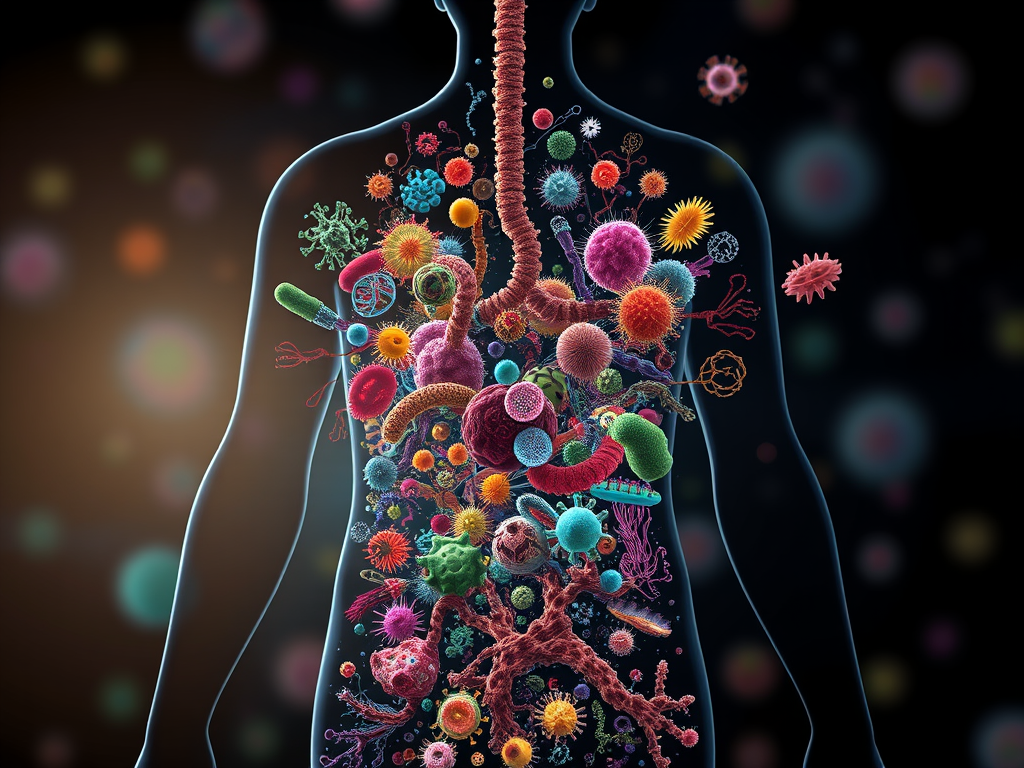
The gut microbiome is rewriting everything we thought we knew about health, mood, and even personality.
Let’s start with a stat that should rattle your sense of self: for every human cell in your body, there are at least one to three microbial cells hitching a ride. Yep, you’re basically a walking, talking ecosystem—more microbial metropolis than solo species. And while this might make you want to shower in Purell, hold that thought. These microbes aren’t just passengers. They’re co-pilots. They shape your digestion, your immune responses, your brain chemistry, and even your moods and behaviors.
Welcome to the era of the microbiome revolution—where understanding your gut flora could be the key to unlocking better health, sharper thinking, and perhaps even a more balanced personality.
Meet Your Microscopic Roommates
The gut microbiome is a buzzing biosphere of bacteria, viruses, fungi, and other microbes mostly hanging out in your intestines. Trillions of them. Collectively, they weigh about three pounds—roughly the same as your brain—and their DNA outnumbers yours by more than 100 to 1.
These microbes break down complex carbohydrates, synthesize essential vitamins (like B12 and K), and train your immune system to distinguish friend from foe. But what’s truly mind-blowing is how these gut dwellers are talking to your brain.
The Gut-Brain Axis: A Two-Way Hotline
Ever had a “gut feeling” or butterflies before a big presentation? That’s not just poetic language—it’s biology. Your gut and brain are connected by the vagus nerve, creating a feedback loop of chemical signals, hormones, and neurotransmitters. It’s called the gut-brain axis, and it’s a two-way street.
The microbiome produces serotonin (around 90% of it!), dopamine, and GABA, all crucial for mood regulation. Disrupt your gut bacteria with antibiotics, poor diet, or stress, and your mental health might wobble, too.
Emerging studies suggest links between an imbalanced microbiome (a state called dysbiosis) and a slew of neurological conditions, including anxiety, depression, ADHD, and even Parkinson’s disease. It’s no longer far-fetched to think that treating your gut might be a legitimate path to treating your mind.
Immunity, Inflammation, and Chronic Disease
Your immune system and your microbiome are like old friends who know each other’s rhythms. The gut is actually the largest immune organ in the body, and its resident microbes play a vital role in training immune cells to react appropriately—not to overreact (autoimmunity) or underreact (infections).
When the gut microbiome is healthy, it acts as a buffer against inflammation. But when it’s off-kilter, it can spark chronic inflammation, which is now linked to heart disease, diabetes, obesity, autoimmune conditions, and even some cancers.
And yes, it all circles back to what you eat. A diverse, plant-rich diet feeds the good bacteria, while a diet high in sugar, processed foods, and artificial additives tends to wipe them out.
Personality in a Petri Dish?
This is where things get deliciously weird.
Some studies on mice have shown that transferring gut bacteria from a timid mouse to a bold one—and vice versa—can actually change their behavior. The same is beginning to be observed in humans: microbiome diversity and balance may subtly influence traits like risk-taking, anxiety, and even social bonding.
While we’re far from saying that your bacteria define your personality, it’s becoming clear they may shape its contours. Which raises philosophical (and slightly sci-fi) questions: Are we choosing to be who we are, or are our gut bacteria nudging us along certain behavioral paths?
So, What Can You Do?
The good news is that while you might be outnumbered, you’re not out of control. You can cultivate a healthier microbiome with some straightforward strategies:
- Eat more fiber (think beans, whole grains, and vegetables)
- Diversify your diet to encourage microbial diversity
- Consume fermented foods like yogurt, kefir, kimchi, and sauerkraut
- Avoid unnecessary antibiotics
- Reduce stress (easier said than done, but essential)
- Exercise regularly (yes, your microbes like it too)
Final Thoughts: You’re a Crowd
In the grand story of you, your microbiome is not just a supporting character—it’s more like a collaborative writing team. Understanding this inner universe could revolutionize not just medicine, but how we think about identity, emotion, and the very boundaries of what it means to be human.
So here’s your thought-provoking challenge:
If you knew your gut microbiome could change how you feel, think, and behave—what would you start doing differently today?
👀 Share your thoughts, doubts, or microbiome-fueled hot takes below. Let’s digest this together.


 Chameleon Magazine
Leave a comment