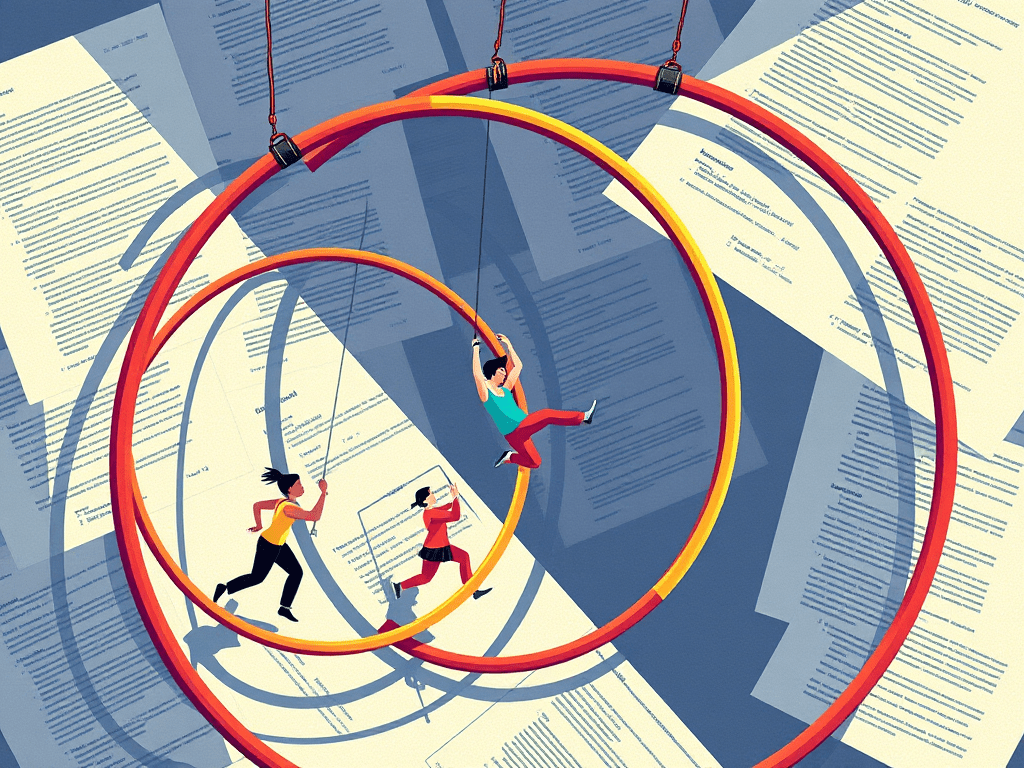
The Universal Credit & PIP Bill has limped past its Second Reading—shrouded not in triumph, but in bureaucratic suspicion and Victorian moralism. It’s not policy. It’s performance art for the paranoid.
🎭 Means-Tested Morality and the Olympics of Suffering
Welcome to the Department of Human Endurance, where surviving poverty is treated like a magic trick—impressive, but clearly suspect. You got through the labyrinth of assessments, sanction traps, and soul-melting paperwork? Well done! Now prove you didn’t cheat. 🎉🔍
Because in this legislative Hunger Games, new claimants (especially under 22 or with “unreliable” conditions—like being sick on Tuesdays but semi-functional by Thursday) will now face upgraded boss levels. Meanwhile, existing recipients keep older protections, creating a welfare system with all the grace and fairness of a school lunchroom clique. 🍽️🚫
Policy language tells the whole story: “eligibility,” “gatekeeping,” “fraud prevention.” Translation? “We think you’re lying.” Even when you’re not.
And what fuels this bureaucratic inquisition? A delightful cocktail of projection, just-world bias, and austerity cosplay. 🤡 Because nothing says “compassionate conservatism” like turning benefits policy into a stage for public moral theater.
The final joke? The savings are mostly imaginary, while the costs—rising homelessness, mental illness, carer burnout—are very, very real. But hey, we trimmed the budget spreadsheet, right?
🔥 Challenges 🔥
What does “deserve” even mean when surviving the system itself gets you labeled suspicious? How long can we keep pretending means-testing is about fairness, when it’s really just cruelty in a necktie? Sound off in the comments—this blog, not just Facebook. 🗣️💬
👇 Clap back, sound off, share with someone who’s one more letter away from screaming at a benefits call center.
The sharpest takes and spiciest rants get featured in the next issue. 🎯🗞️


 Chameleon Magazine
Leave a comment