When Belief Hijacks the Interview and Truth Becomes the Casualty
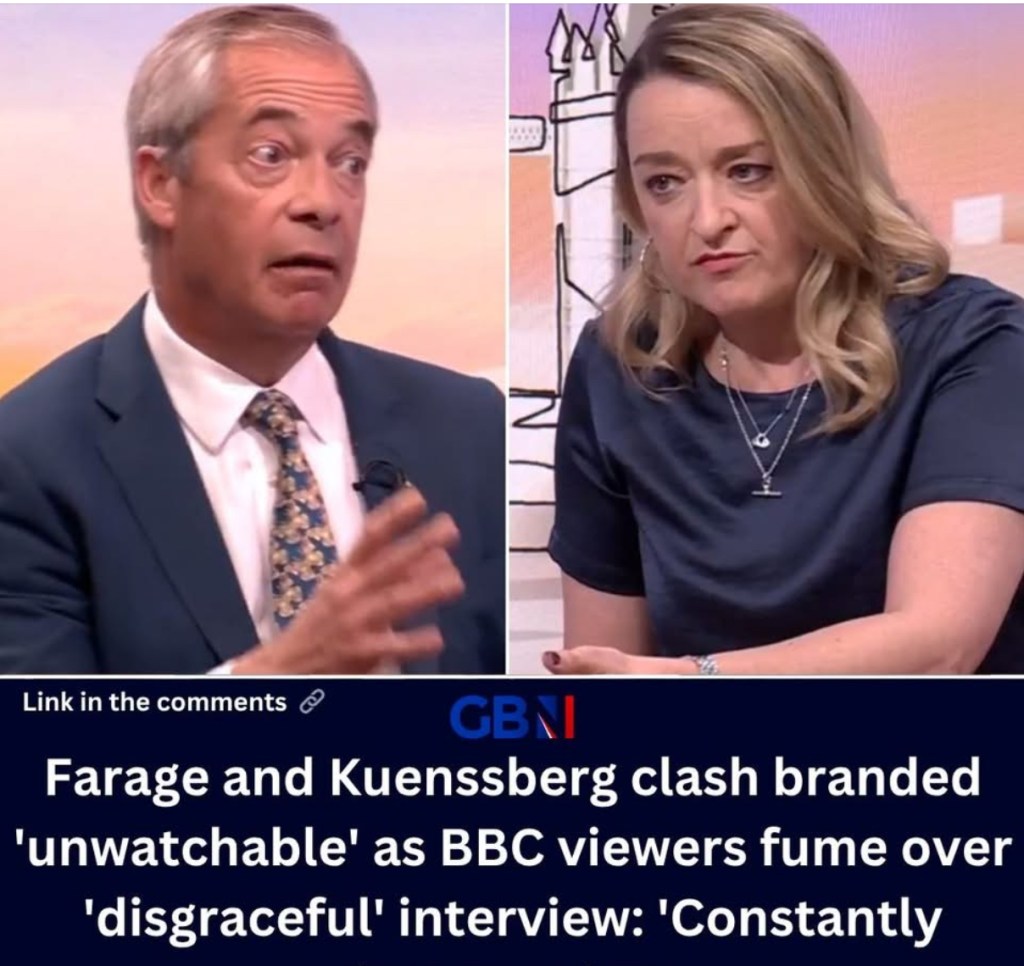
When the mind behind the question forgets its purpose, the spotlight becomes a weapon, not a window. An interviewer with one belief becomes less a seeker of truth and more a hunter of confession — crafting questions not to uncover, but to corner. In their eyes, doubt is weakness, and certainty is virtue, no matter how brittle or blind. But the truth does not bow to those who shout the loudest or hold the microphone the longest. It lives in nuance, in contradiction, in the quiet spaces between assumptions. When the urge to win outgrows the will to understand, the interview becomes theatre — not conversation, but confrontation wrapped in civility. The right to ask questions is sacred, but the responsibility to listen is what gives it power. And without humility, even the brightest stage becomes just another echo chamber where only the questioner hears themselves.
When Belief Hijacks the Interview and Truth Becomes the Casualty
“When the urge to win outgrows the will to understand, the interview becomes theatre — not conversation, but confrontation wrapped in civility.”
Something broke during the interview between Nigel Farage and Laura Kuenssberg, and it wasn’t just the flow of conversation — it was the public’s patience.
Described by viewers as “unwatchable” and “disgraceful,” the encounter was less a discussion and more a power struggle, dressed up in polite host-guest formalities. But scratch the surface, and it wasn’t really about clarity or accountability.
It was about control.
🎙️ Interrogation Over Illumination
In journalism, the sacred trust is simple: ask hard questions in pursuit of truth, not in pursuit of ego. But something dangerous happens when the interviewer walks into the room not to discover, but to defend their own worldview — aggressively, relentlessly, and at times, blindly.
When every answer is cut off, every sentence interrupted, every viewpoint filtered through a predetermined narrative — the interview ceases to be a tool of democracy and becomes a weapon of personal confirmation.
We stop learning.
We stop listening.
We start watching a performance.
📺 The Spectacle of Certainty
Farage, for all his divisiveness, should be questioned. Hard. So should any political figure. But questioning is not the same as cross-examination for sport.
What we witnessed was a classic media paradox:
A journalist supposedly committed to truth but so attached to their position that truth had to fit the frame — or be dismissed entirely.
And it backfired.
Viewers noticed the imbalance. The online reaction wasn’t about politics; it was about tone, respect, and intellectual honesty. Many didn’t sympathize with Farage — they simply couldn’t watch someone being talked over instead of spoken with.
🧠 When the Microphone Becomes a Mirror
A good interviewer is humble enough to be changed by an answer. A poor one? Already knows what they want the answer to be.
That’s the difference.
And in an age of media distrust, interviewers who act as interrogators do more damage than any fake news website. They teach audiences to expect combat over clarity, bias over balance, and ego over ethics.
🤔 Final Thought
There’s still time to reclaim journalism’s soul. But it starts with one radical act:
Listening — not to respond, not to attack — but to understand.
Until then, the echo chambers will keep getting louder… and truth will keep being drowned out by applause from the wrong audience.


 Chameleon Magazine
Leave a comment