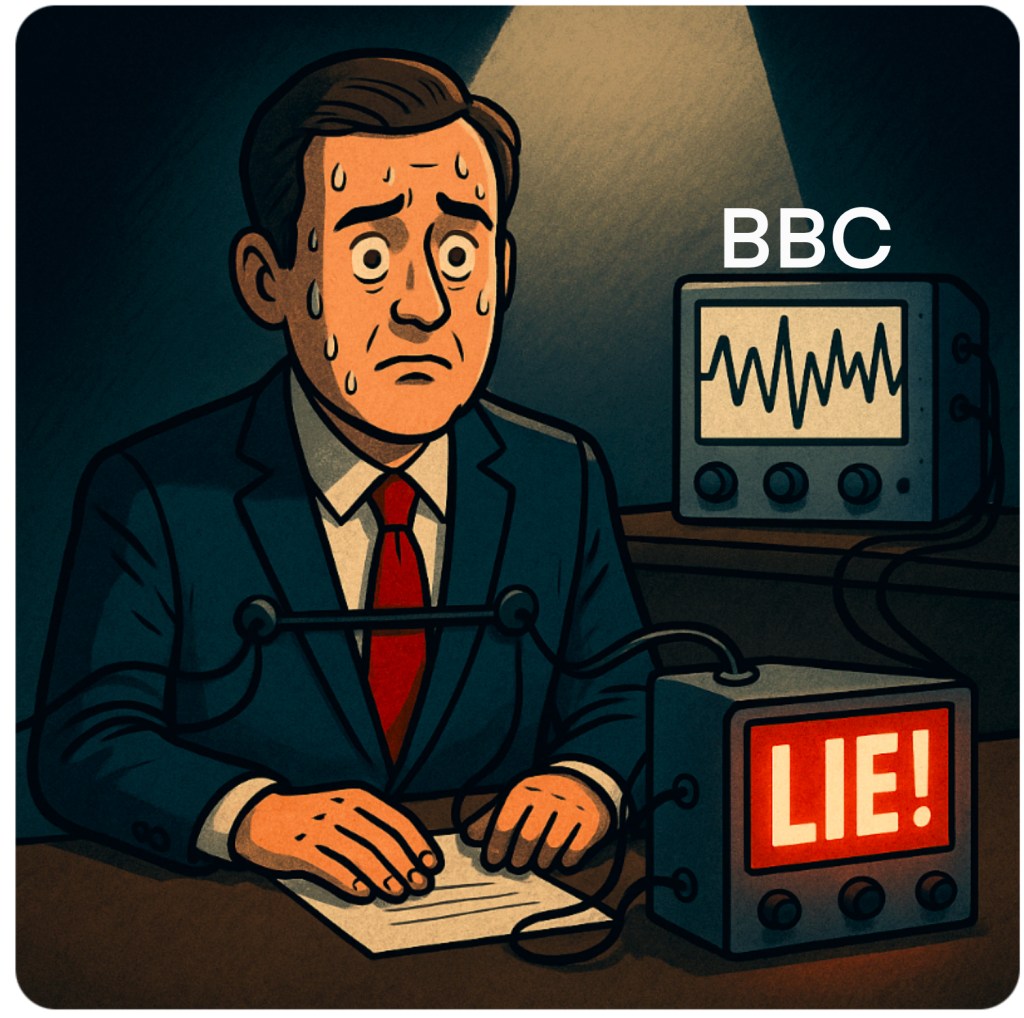
🧨📰Marah Abu Zuhri deserved the truth. Instead, the BBC handed her story over to the gods of clickbait, stamping “died of malnutrition” across her name like a sensationalist death certificate. Forget nuance. Forget context. Forget truth—there’s a headline to sell.
Turns out? Marah had acute promyelocytic leukemia—a rare, vicious form of cancer that eats bone marrow like termites through timber. This wasn’t just a malnutrition story. This was a medical crisis layered inside a humanitarian catastrophe. But nuance doesn’t trend, so the BBC went with a starving-Gazan narrative instead.
🧠 Journalism or Just Vibes? BBC’s Fact-Free Feeding Frenzy
Let’s break this down. The BBC ran with “malnutrition” as the cause of death because:
- She looked emaciated.
- Some sources said so.
- It fit the narrative.
Not because they had her medical records. Not because they verified anything. And not because it’s journalistically sound to skip the actual diagnosis of cancer—the kind that requires chemotherapy, transfusions, and clinical expertise, not just calories and compassion.
But hey, why fact-check when you can fan outrage with a dramatic lead? 🎭
COGAT released the medical documentation showing Marah had leukemia. Suddenly, the BBC remembered corrections exist. They quietly updated the story: new headline, new cause of death (cardiac arrest), and an oh-so-casual clarification that they “weren’t aware” of the leukemia.
Excuse me—weren’t aware? That’s not an excuse. That’s an indictment. That’s the BBC admitting they published a story on a young woman’s death without so much as glancing at her medical chart. This is what happens when you trade reporting for reacting.
This wasn’t an innocent mistake. This was a failure of journalism at its core.
Because when you misrepresent how someone dies—especially someone who died amid crisis, war, and suffering—you’re not just getting the story wrong. You’re robbing the dead of dignity, and warping the public’s understanding of reality.
And for what? A headline with bite?
💣
Challenges
💣
How many other stories have we been fed half-baked? How often are narratives tailored to outrage before they’re tempered by fact? If we can’t trust institutions like the BBC to pause and verify cause of death, what else are they running on vibes alone?
🔥 Light up the comments. If you’ve had enough of this “shoot first, fact-check later” journalism, say it loud. And say it on the blog—not just social media echo chambers. 💬
👇 COMMENT. 👇 LIKE. 👇 SHARE. Journalism needs accountability, not auto-pilot sensationalism.
📝 The sharpest, smartest takes will be published in our next magazine issue.


 Chameleon Magazine
Leave a comment