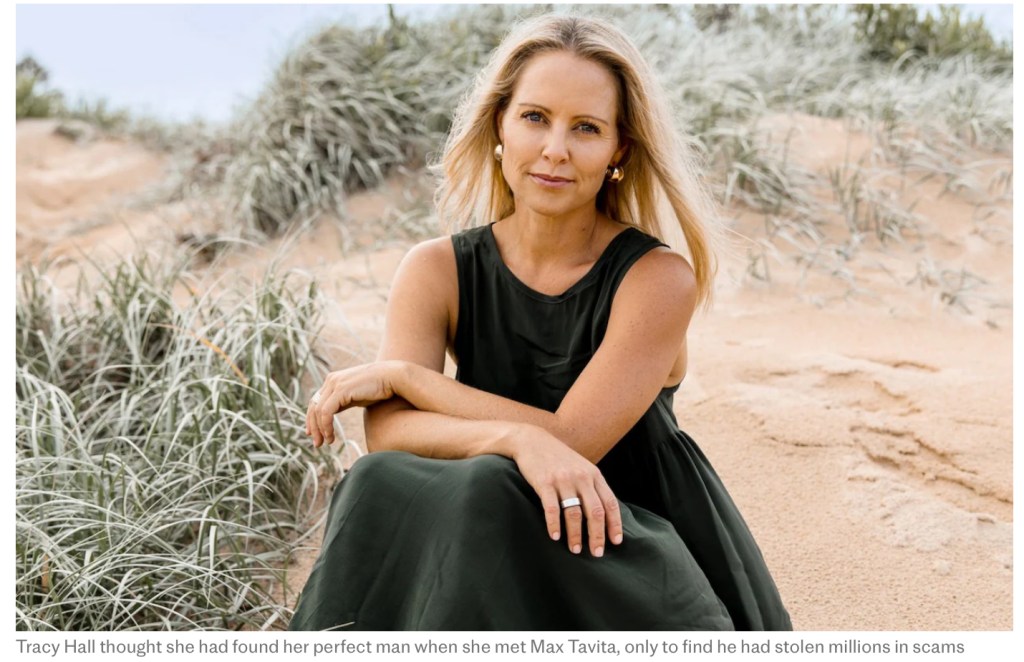
Meet Tracy Hall, who thought she’d found her soulmate in “Max Tavita,” a man who turned out to be less Romeo and more Ryanair baggage fee—always taking, never giving. Instead of flowers and candlelit dinners, she got a request for bank transfers and vanished cash. The price tag of love? A cool £150,000, siphoned away by a serial fraudster who probably has a heart-shaped safe stuffed with other people’s pensions.
💌 Swipe Right for Bankruptcy
Romance scams are the Netflix rom-com from hell: charming stranger, whirlwind affection, grand promises of forever—and then the Wi-Fi goes out right after you’ve wired him the money. Tracy isn’t alone. Thousands fall for these digital Casanovas every year, lured in by photos that look like stock images from a men’s fragrance ad and stories slicker than a reality TV confession.
The cruel genius? They don’t just steal your money. They steal your trust, your confidence, your belief that love can exist outside a dodgy WhatsApp chat. Forget heartbreak—this is heart theft, with a receipt from Western Union.
🕵️♀️ Five Steps to Check Out a “Romeo” Scammer
- Reverse-Image Search That Selfie 🖼️
If his smouldering gaze also appears on ten different profiles from Texas to Timbuktu, congratulations—you’re dating Shutterstock. - Ask for a Video Call—Now 🎥
If he’s “too busy,” “camera broken,” or “stationed in a Wi-Fi black hole,” he’s not Prince Charming. He’s Prince Catfish. - Money Talk = Scam Walk 💳
The moment “love” involves transfers, loans, or “urgent emergencies,” your romance just turned into a crowdfunding campaign for a fraudster. - Check His Story for Swiss Cheese Holes 🧀
Military? Oil rig worker? International doctor? Classic scammer résumés. If his life sounds like a Netflix drama, it probably comes with fake subtitles. - Google His Name + ‘Scam’ 🔎
Scammers are repeat offenders. If his “unique” love story has already been told by half a dozen women on warning forums, run faster than he can type “babe, just this once.”
🔥 Challenges 🔥
Could you spot the red flags, or would “Max Tavita” have made off with your savings too? 💔💸 Share your scam-spotting hacks, your horror stories, or your most savage scammer takedowns in the blog comments. Don’t just scroll—educate and entertain.
👇 Hit comment, hit like, hit share—help someone dodge a £150,000 heartbreak.
The best advice and sharpest burns will be featured in the next magazine issue. 📝🔥


 Chameleon Magazine
Leave a comment