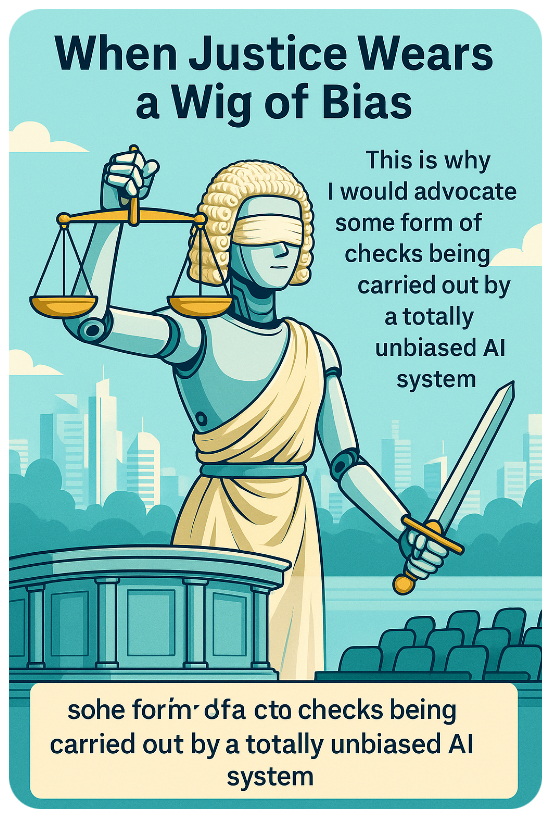
⚖️👀The last place you’d expect to find bias is in the courtroom. Judges are meant to be the referees of democracy—aloof, neutral, and beyond the grubby reach of political agendas. But the latest storm over the Epping Migrant Hotel verdict suggests the robe may not be as spotless as we were told.
Lord Justice Bean, the man behind the decision, has now been reported to the conduct authority for alleged bias. And this isn’t just courtroom gossip. Questions swirl about his connections, including links to a left-leaning think tank—hardly the picture of detached, impartial justice.
🏛️ The Wig Slips
Let’s be blunt: if judges are making decisions that affect communities—families, children, entire towns—then the people deserve confidence that these rulings are rooted in law, not ideology. Yet when patterns of affiliation and political leanings start poking through the veneer of neutrality, the entire system begins to look less like blind justice and more like partisan tinkering dressed in ermine.
This matters because judicial rulings aren’t minor squabbles. They shape national policy, local communities, and the rights of ordinary people to have their voices heard. If bias—perceived or real—infects the bench, then the “justice” we’re served is little more than politics in a powdered wig.
🔄 Why We Need a Systemic Shake-Up
And here’s where it gets uncomfortable: maybe the old assumption that judges are untouchable guardians of fairness just doesn’t hold anymore. That’s why I’d advocate for a system of genuine accountability—transparency about affiliations, oversight with teeth, and a recognition that judges, like politicians, can be swayed by ideology.
This is why I would advocate some form of checks being carried out by a totally unbiased AI system. A digital watchdog—incapable of party loyalty, think tank connections, or personal grudges—could flag potential conflicts of interest, track patterns of ruling, and shine light where human eyes might conveniently look away. It’s not about replacing judges—it’s about putting them under a lens sharper than bias allows.
Because if justice is going to remain credible, it can’t just be done—it has to be seen to be done. And right now, it looks more like smoke and mirrors.
🔥 Challenges 🔥
Do you trust the impartiality of our judges—or do you believe ideology seeps into their verdicts? Would you support an AI-powered system to keep them in check, or is that a step too far? 💬
👇 Drop your take in the blog comments (not just Facebook). Like, share, and spark the debate.
The sharpest views will be featured in the next issue of the magazine. 📝⚡


 Chameleon Magazine
Leave a comment