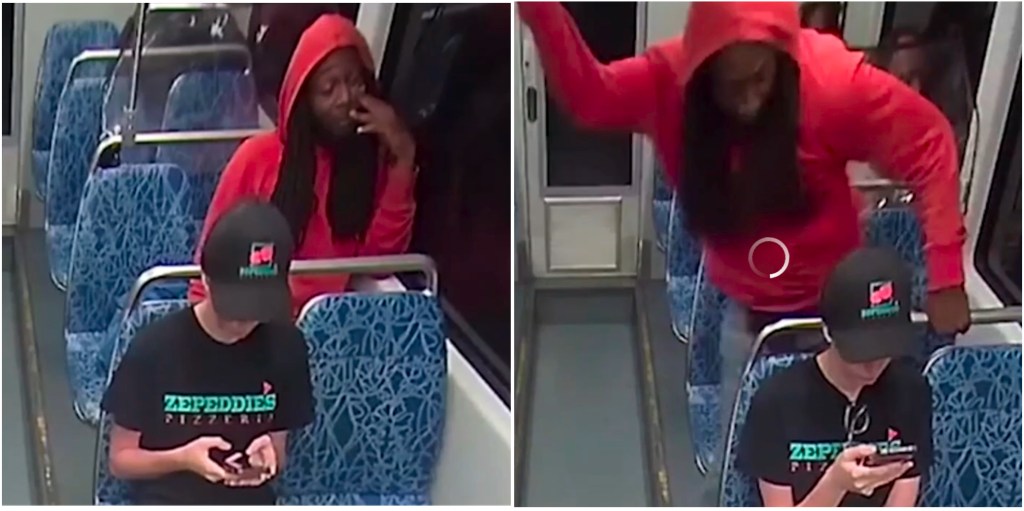
🎟️🔪She escaped a war only to meet her end on a train in the United States—23-year-old Iryna Zarutska, stabbed to death by a homeless ex-convict. It’s the kind of tragedy that makes you choke on the platitudes: “Don’t worry, the chances of this happening are as slim as winning the lottery.” Well, congratulations America—someone just hit the jackpot.
🚆 Safety by Statistics
We’re told not to panic. “Crime is rare,” they say, “the odds are minuscule.” But that’s the thing about odds: they don’t matter when you’re the one holding the unlucky ticket. For Iryna, fleeing bombs and bullets in Ukraine only to encounter knives on a commuter train is the bitter reminder that statistics aren’t body armour.
And isn’t it funny how officials lean on lottery analogies? Because unlike Powerball, you don’t get a payout when tragedy strikes—you just get hashtags, outrage, and a public debate that evaporates by next week’s news cycle.
🎰 The Real Gamble
The uncomfortable truth is that cities on both sides of the Atlantic are rolling the dice daily. Broken justice systems, revolving-door prisons, homelessness crises—combine them, and you don’t need Vegas odds to predict more chaos. Yet when something horrific happens, the response is always the same: “Isolated incident.” Which is bureaucrat-speak for “let’s hope people forget.”
🔥 Challenges 🔥
So, readers, here’s the wager: do you trust the politicians who keep telling us these are freak events, or do you think society is playing Russian roulette with public safety? Would you feel safer buying a lottery ticket or a train ticket? Drop your answers in the comments—bonus points if you make it sting. 🎯
👇 Comment, like, and share if you’re tired of leaders gambling with public safety while pretending everything’s fine.
The sharpest takes will feature in the next issue of the magazine. 📝💥


 Chameleon Magazine
Leave a comment