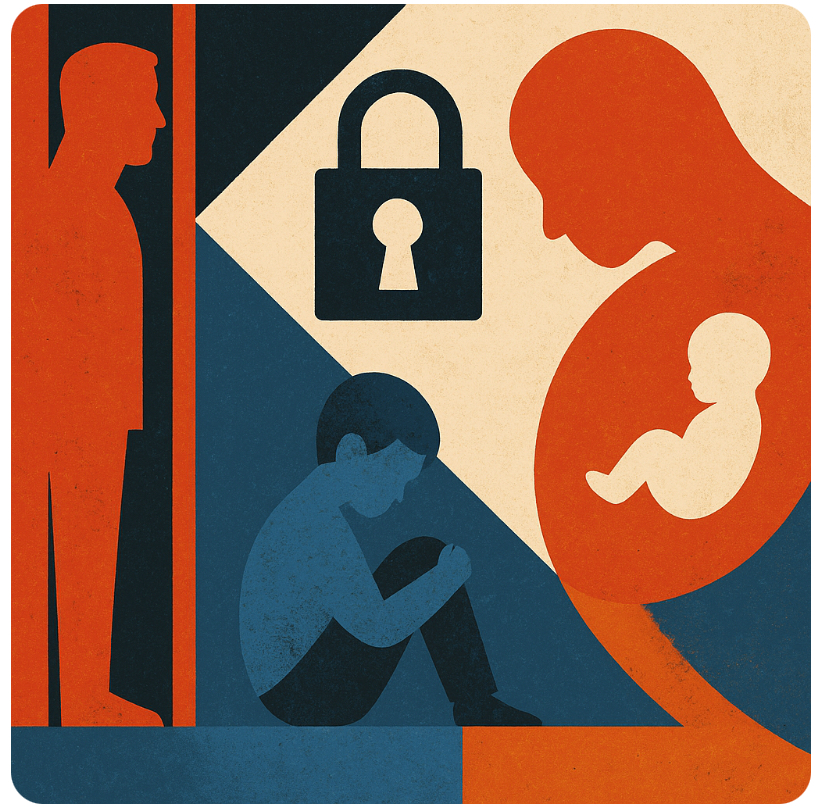
🚨👶🔒Tony Hudgell’s story already stands as one of the most gut-wrenching failures of Britain’s child protection system: abused so badly as a baby his legs had to be amputated, his abusers locked up—only for one of them to now stroll back into society as if “time served” somehow erases what they did. And while Tony’s adoptive mum fights for life-long monitoring of offenders like this, the state seems more interested in handing out second chances to predators than in protecting the very children they brutalise.
🧩 Priorities, Upside Down
Let’s put it plainly: how is it that we have endless surveillance for petty criminals, mountains of bureaucracy for struggling parents, and yet when it comes to child abusers, the system shrugs and says, “Well, they’ve done their time.”
Done their time? Tony will never “finish serving” the sentence inflicted on him as a baby. His pain isn’t up for parole. His family can’t just “move on” when the people who caused it are back roaming the streets.
Meanwhile, MPs wring their hands, promise reviews, and commission reports that gather dust while kids remain unprotected. It’s almost as if the safety of children—literal children—ranks below the comfort of offenders and the convenience of the justice system.
The truth is brutal: if we can track your Amazon parcels in real time, we can track a convicted child abuser. We just choose not to. 📦➡️👀
🔥 Challenges 🔥
Should child abusers ever be free without life-long monitoring? Why is “rehabilitation” the default headline instead of “protection”? And how do we justify a system where Tony Hudgell lives with scars every day while his abusers get “fresh starts”? Drop your outrage, your solutions, or your fury in the blog comments. 💬⚡
👇 Comment, like, share — and let’s make it clear this isn’t just a policy debate. It’s about protecting children from monsters who already proved what they’re capable of.
The strongest takes will be featured in the next issue of the magazine. 📝🔥


 Chameleon Magazine
Leave a comment