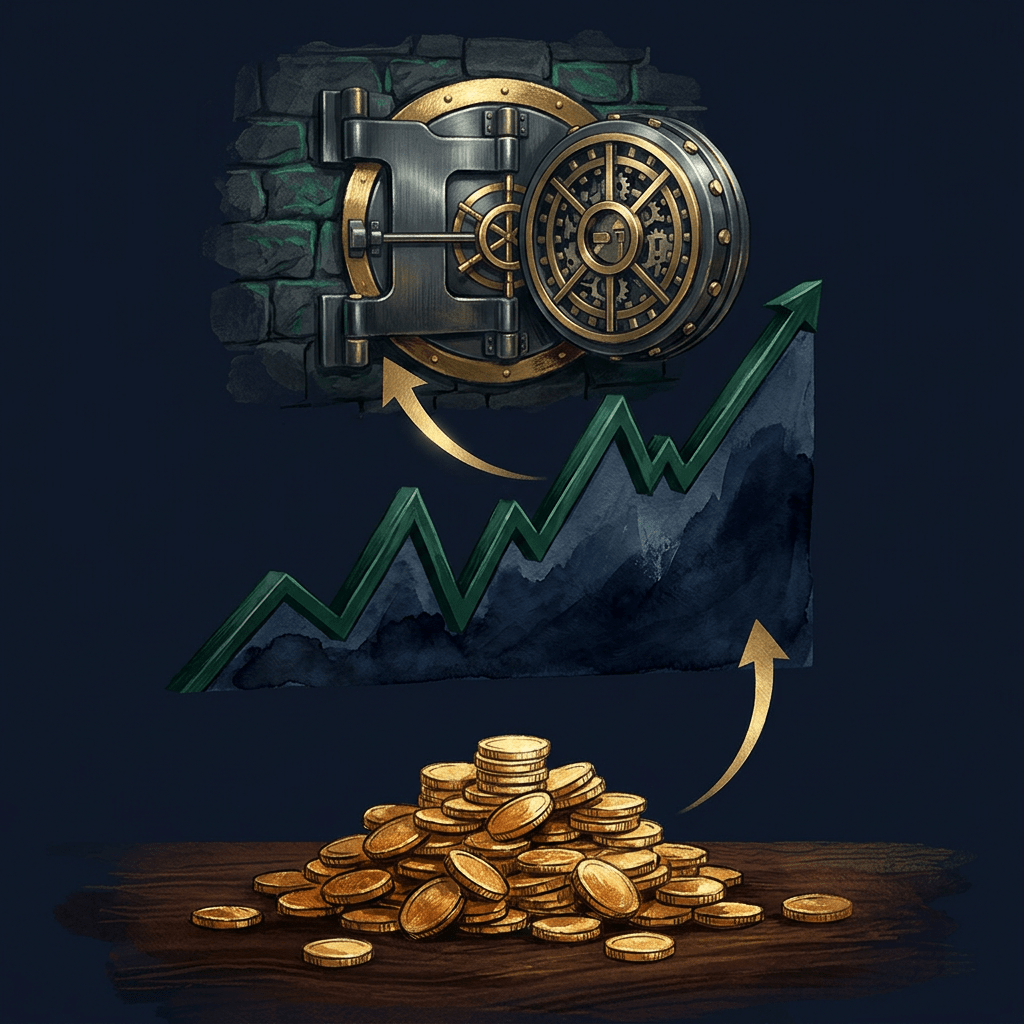
💰📈Imagine someone owns $100 billion in shares and borrows $20 billion against them.
That $20 billion loan is generally not treated as income, because it has to be repaid.
Now the shares rise from $100 billion to $160 billion.
The position is roughly:
Assets: $160bn
Debt: $20bn
Net wealth: $140bn
So the owner is far richer, but the $60 billion rise in the shares is still generally an unrealised gain until the shares are sold.
🏦 Why Sell When You Can Borrow?
As the shares rise, the bank may feel safer because the collateral is worth more.
That can make it easier to refinance or even borrow more without selling the shares.
And if the shares are not sold, the capital-gains tax can often be delayed.
Of course, there is a risk.
If the shares crash, the bank may demand more collateral or repayment, which could force a sale and trigger tax.
Then comes the final part.
If the owner dies while still holding the shares, heirs in some tax systems—especially the U.S.—may inherit them with a new tax basis based on their value at death.
That can mean much of the old unrealised capital gain is no longer taxed as a capital gain when the children later sell.
That is why people call the strategy:
Buy. Borrow. Die. 💀💵
🔥Challenges🔥
Is this simply clever financial planning, or does it show that the tax system treats huge fortunes very differently from ordinary wages?
For ordinary people, tax is taken from wages, spending, fuel, bills and everyday life almost everywhere they turn.
Meanwhile, people with enormous fortunes can sometimes use assets, loans and tax rules in ways that ordinary workers simply cannot.
And that is why it can feel like poor and working people end up paying tax at every stage of life, while the wealthiest have far more ways to delay, reduce or restructure what they owe. 💷🔥
💬 Tell us what you think in the blog comments.
👇 Comment, like and share the post.
The best comments will be included in the magazine. 🎯


Leave a Reply