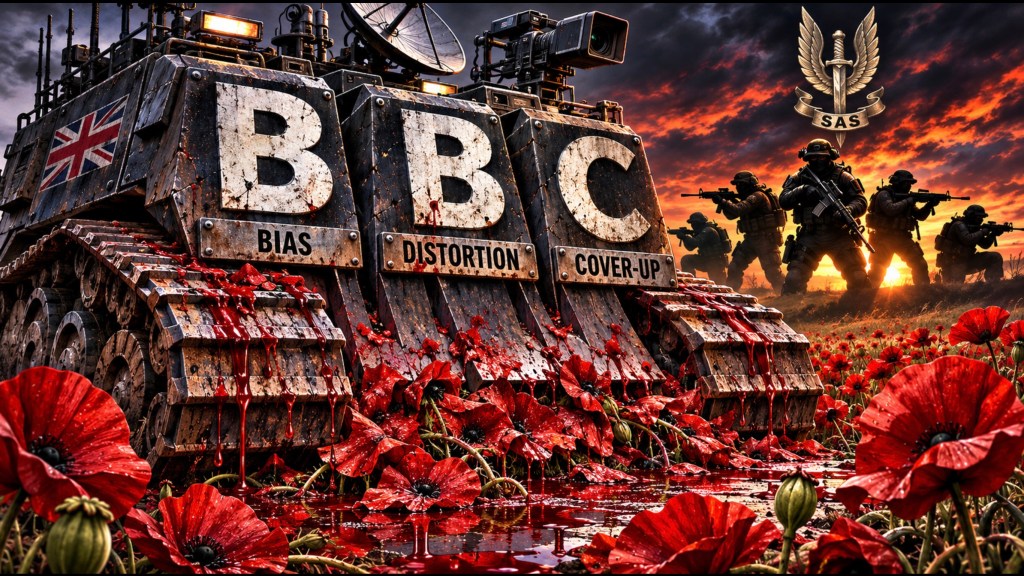
🎖️🔥Britain sends its elite soldiers into dangerous war zones, expects split-second decisions under extraordinary pressure, then watches those operations debated years later from the comfort of a television studio.
As the BBC defends its Afghanistan investigations and the independent inquiry continues, another serious concern is emerging: what happens when those who risk their lives defending Britain begin losing confidence in the institutions they serve?
No final determination has been reached by the inquiry. Yet senior Special Forces officers have reportedly raised concerns about declining morale, retrospective legal scrutiny and the impact on personnel considering their futures.
📺Armchair Generals, Television Trials and the Price of Loyalty
🍿Welcome to modern Britain, where dangerous military operations can be dissected years later by commentators armed with microphones rather than body armour.
On the battlefield, decisions are made in seconds, often in darkness and under extreme threat.
In a television studio, those same decisions can be debated for hours, with hindsight generously supplied free of charge.
Apparently, the most comfortable place to fight a war is from an armchair.
The BBC has every right to investigate matters of public interest. But that responsibility includes distinguishing allegations from established facts, providing operational context and avoiding misleading impressions.
A television investigation is not a military tribunal. A headline is not a conviction. And suspicion is not proof.
The ongoing Afghanistan inquiry is examining past military operations and the adequacy of earlier reviews. Its findings should be established through evidence and due process, not speculation or public pressure.
Meanwhile, concerns about the consequences for Special Forces morale deserve serious attention.
Imagine surviving demanding selection, years of training and dangerous deployments, only to face uncertainty about how your service might be portrayed long after returning home.
Hardly the recruitment slogan anyone expected:
“Join the SAS. Serve your country. Risk your life. Keep a solicitor on speed dial.” ⚖️
And during Remembrance week, the contrast becomes particularly uncomfortable.
Britain wears its poppies, honours its fallen and solemnly promises never to forget.
Yet those who served can reasonably ask whether the country they defended still understands the pressures and responsibilities placed upon them.
Then there is the BBC television licence.
Veterans who help fund the national broadcaster are entitled to expect fair, accurate and balanced reporting.
Not special treatment. Not immunity from scrutiny.
Fairness. Context. Evidence. Due process.
Four principles that should never become optional when military reputations and public confidence are at stake.
The BBC maintains its journalism is in the public interest and stands by its reporting. The independent inquiry must be allowed to complete its work without prejudgment.
But Britain’s military personnel also deserve protection from misleading portrayals and trial by public opinion.
A country cannot demand absolute loyalty from its armed forces while forgetting that trust works both ways. 🇬🇧
And perhaps that is the real battle Britain cannot afford to lose.
Not a battle fought with helicopters, weapons or night-vision goggles, but one fought over fairness, institutional responsibility and the confidence of those prepared to make the ultimate sacrifice.
Britain’s Special Forces should never have to wonder whether the country they defend will treat them fairly. 🎖️
💬 Do you believe Britain’s veterans and serving personnel receive fair coverage from the BBC?
👇 COMMENT directly on the blog, LIKE and SHARE this article. Your voice deserves to be heard! 🇬🇧🔥
🏆 The best comments will be featured in the next issue of Chameleon News Magazine.


Leave a Reply