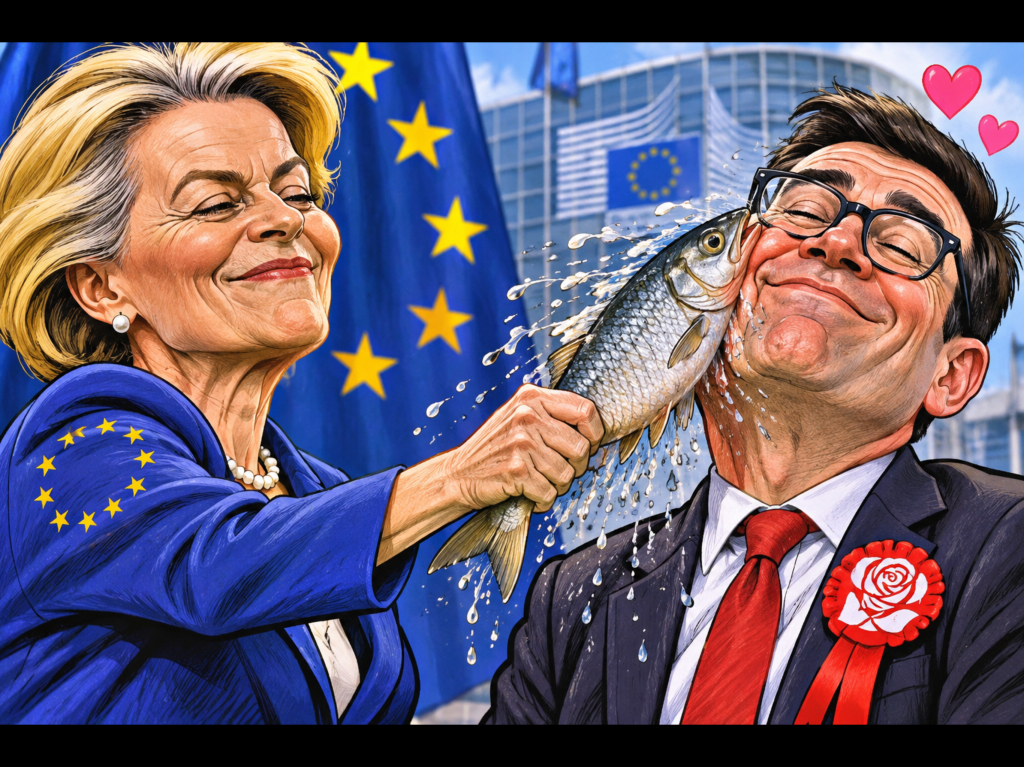
Remember when Brexit meant taking back control of Britain’s waters? When British fishermen were promised a stronger future, greater independence and the freedom to protect an industry that had supported coastal communities for generations?
Britain fought a bitter political battle over sovereignty, yet the European Union has secured continued access to British fishing waters until 30 June 2038.
Twelve more years of reciprocal fishing access, agreed in 2025. An arrangement that raises serious questions about what Britain actually gained from its departure from the European Union.
🌊 British Waters, European Access — Where Is the Benefit for Our Fishermen?
For years, British fishing communities were told that leaving the EU would give Britain greater control over its maritime resources. Fishing became one of the defining promises of Brexit, with politicians declaring that British waters would once again be managed in Britain’s interests.
Yet under the latest agreement, European vessels retain access to British fishing grounds, while British boats continue to enjoy reciprocal rights in EU waters.
The government argues that the arrangement provides stability and supports the wider trading relationship with Europe. It has also announced funding for coastal communities and measures intended to improve seafood exports.
But the question remains: have British fishermen received enough in return for another long-term agreement over access to our waters?
These are communities already facing rising fuel costs, expensive equipment, regulatory pressures and uncertainty about the future of their livelihoods.
For the families who depend on fishing, this is not an abstract argument about international diplomacy. It is about jobs, incomes, investment and the survival of an industry that has been part of Britain’s coastal identity for centuries.
The government must explain how the agreement strengthens Britain’s fishing industry, what economic benefits it delivers and whether the country has retained sufficient negotiating power over its own resources.
With Westminster pursuing closer relations with Brussels, the concern is not simply about fishing. It is about how Britain balances cooperation with Europe against the independence that Brexit was supposed to deliver.
If taking back control meant restoring Britain’s ability to decide its own future, the public deserves a clear explanation of why European fishing access has been secured until 2038.
Britain’s coastal communities should not be treated as bargaining chips in wider diplomatic negotiations. Their future deserves proper scrutiny, meaningful investment and commitments that produce measurable results.
Sovereignty means little if those who were promised its benefits cannot see them in their livelihoods.
The issue is not whether Britain should cooperate with Europe. It is whether the terms of that cooperation genuinely serve British interests.
And after years of promises about British fishing rights, Westminster owes the people who work our waters something more substantial than another political announcement.
👇 Has Britain secured a fair agreement, or have our fishing communities been left paying the price for closer relations with Brussels? COMMENT directly on Chameleon News, LIKE and SHARE your views. 🇬🇧
🏆 The strongest comments and most thought-provoking arguments will be featured in the next issue of Chameleon News Magazine.


Leave a Reply