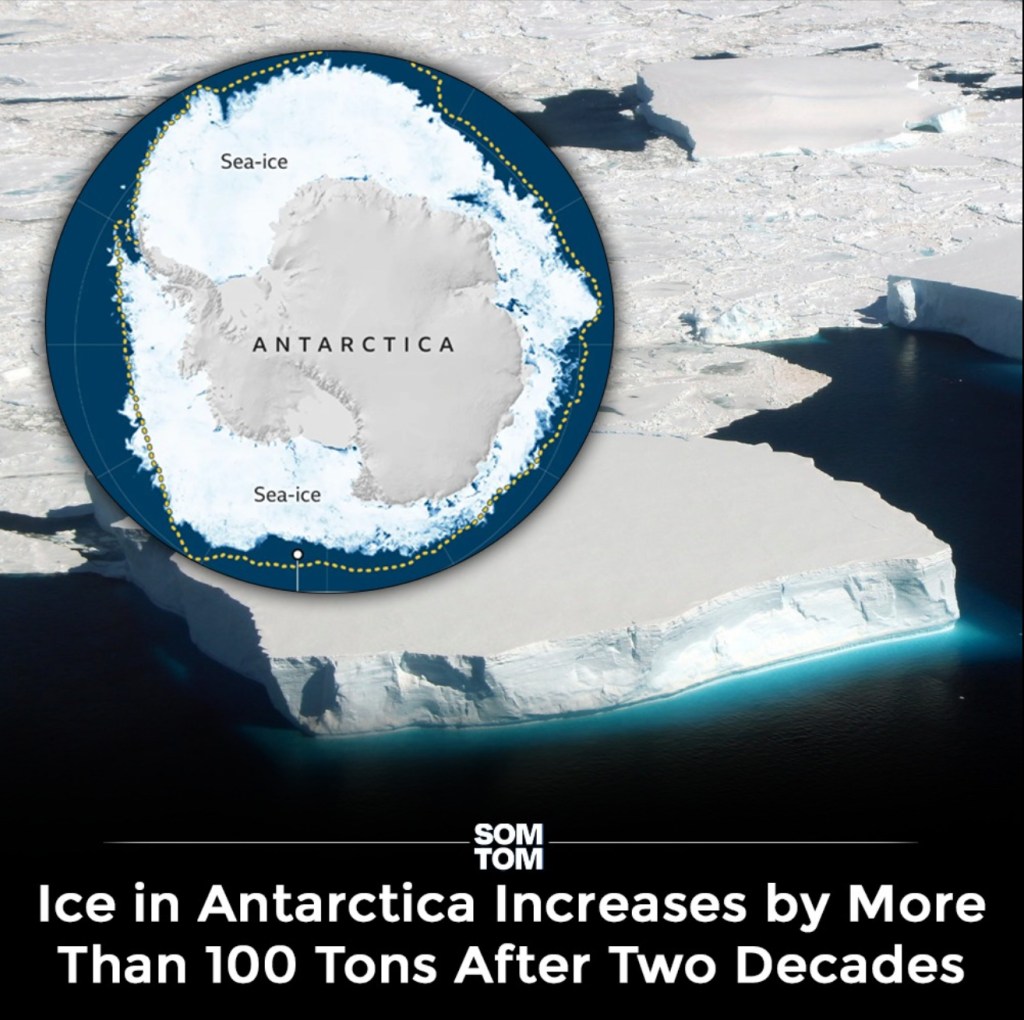
Between 2021 and 2023, Antarctica gained ice mass—roughly 108 to 119 billion tons per year, according to new satellite data. That’s a measurable, physical increase in the continent’s ice sheet, not a projection or computer model. The effect? A temporary 0.3mm per year slowdown in global sea level rise. These are the facts, not opinions.
📡 What Really Happened: Snowfall and Satellite Signals
Using GRACE-FO satellites, scientists observed a clear mass increase in Antarctica’s ice sheet—mostly driven by heavy snowfall over East Antarctica. The snowfall, unusually intense over those three years, deposited vast amounts of frozen water onto the continent. This wasn’t a guess or model output. It’s what the satellites measured.
And to be precise:
- Where it happened: East Antarctica
- When: 2021 to 2023
- Why: Record-high snowfall during that period
- How much: 108–119 billion metric tons per year
- Effect: Sea level rise temporarily slowed by about 0.3mm/year
This gain doesn’t cancel out what’s happening in West Antarctica and the Antarctic Peninsula, where ice loss continues. But it does shift the balance—for now.
🧊 Not Forecasts, Just Ice Data
This wasn’t predicted with precision. While scientists know that Antarctica can gain ice from snowfall, especially in cold interior regions, the exact scale and timing of such events depend on atmospheric conditions. The recent triple-dip La Niña—three consecutive years of the cooling phase of the Pacific climate pattern—likely helped funnel moisture to East Antarctica, driving the snow boom.
But the key point: This was observed. Measured. Quantified. Not guessed.
🛰️
Challenges
🛰️
Why is it so hard to talk about what is happening without turning it into a forecast? Why do data points get lost in a sea of “what this means” and “what could happen next”? Let’s focus on the facts: Antarctica gained ice. Sea level rise slowed. That happened.
👇 Drop a comment, share with someone who only talks about melting, and let’s keep this one rooted in what we know, not what we fear.
The best, most fact-grounded takes will be featured in the magazine. 📊🧊


 Chameleon Magazine
Leave a comment