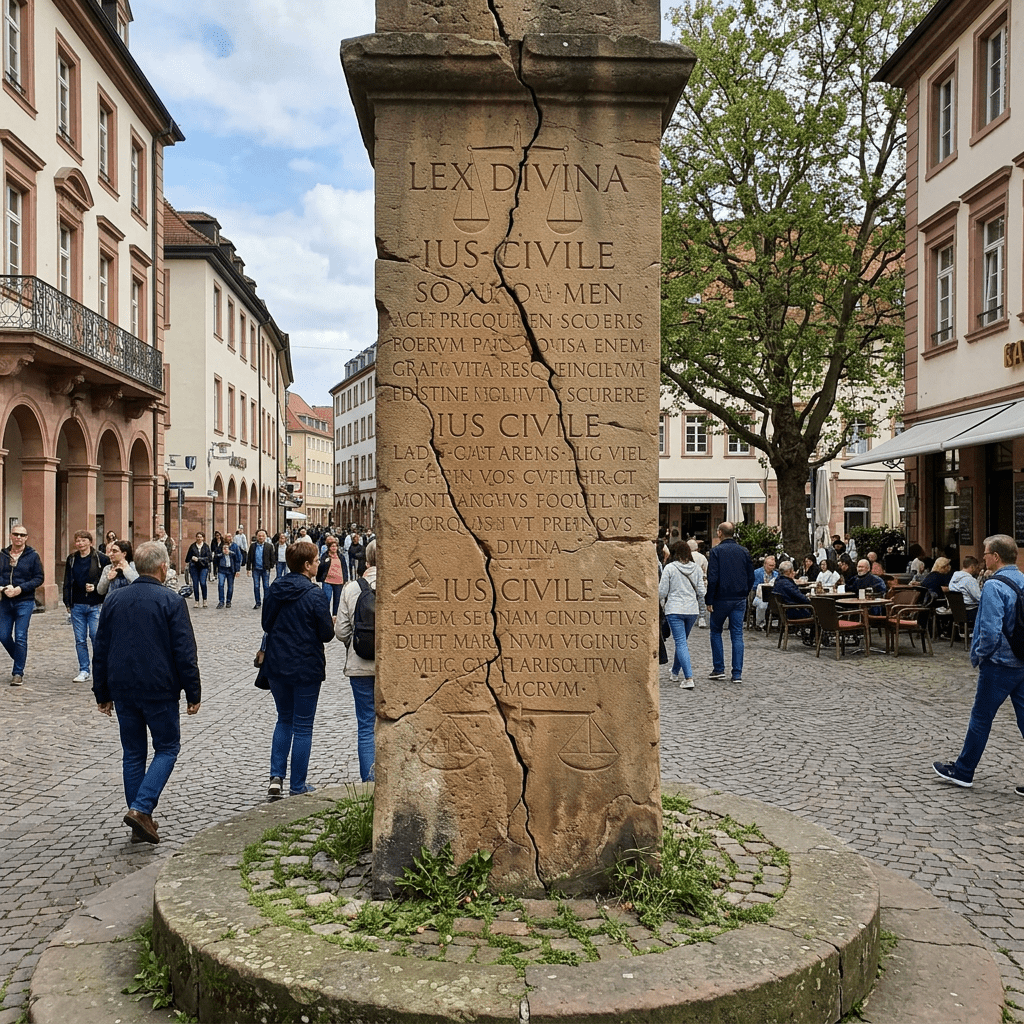
A multicultural society only works when everyone agrees to play by the same rulebook. Different cultures, different religions, different traditions—fine. That’s part of living in a modern, diverse nation. But when cultural or religious beliefs start being used to demand exemptions from laws designed to protect the public, we have to ask a simple question: where does it end? 🤔
🏛️ The Great Exemption Race
Every law on the books exists for a reason. We didn’t wake up one morning and decide to ban people from carrying knives because Parliament was bored and looking for a hobby. Knife laws were introduced because knives can be used to threaten, injure, and kill people. 🔪
The principle is straightforward: if carrying certain items in public creates a risk, then restrictions apply to everyone. Not most people. Not everyone except those with the right belief system. Everyone.
Yet increasingly, we’re told that some rules should bend depending on cultural practices or religious traditions. The argument is usually wrapped in the language of tolerance and inclusion. But what about the tolerance and inclusion of everyone else who follows the law without exception?
A multicultural society cannot function if every group arrives with its own legal wishlist. Imagine traffic laws working that way. One group wants exemptions from speed limits. Another wants exemptions from seatbelt requirements. A third insists red lights conflict with a centuries-old tradition. 🚦😂
The law would become meaningless.
🎭 Diversity Doesn’t Mean Different Rules
The irony is that true equality means applying the same standards to everyone.
If a law exists for public safety, then the purpose of that law shouldn’t change depending on someone’s background, ethnicity, or religion. Otherwise, we’re no longer talking about equality. We’re talking about a hierarchy of exceptions.
People often say multiculturalism means respecting different cultures. Absolutely. Respect people’s right to worship, celebrate, dress, speak, and live according to their beliefs.
But respect does not require rewriting public safety laws.
The social contract is simple: you’re free to practice your beliefs, and everyone else is free to practice theirs. The law sits above all of us equally, creating the framework that allows millions of different people to live together peacefully.
Once certain groups are allowed exemptions from laws designed for everyone’s protection, trust in that framework starts to erode. ⚠️
🌍 The Price of Living Together
Living in a diverse society means compromise from everyone.
It means accepting that not every cultural practice will fit perfectly within modern legal systems. It means understanding that public safety laws are created to protect the whole population, not to target specific groups.
Nobody is forced to abandon their identity. But everyone should be expected to respect the same legal boundaries.
Because if the law is flexible for some and rigid for others, people stop seeing it as fair. And when people stop believing the law is fair, social cohesion starts to crack.
That’s not diversity.
That’s division. 🚨
🔥 Challenges 🔥
Should religious and cultural traditions ever override laws designed for public safety? Or does a truly multicultural society require one standard that applies equally to everyone?
Where should the line be drawn between religious freedom and equal application of the law?
Drop your thoughts in the blog comments. 💬🔥 Agree, disagree, challenge the argument—but bring your best reasoning.
👇 Like, comment, and share if you believe equality before the law should mean exactly that.
🏆 The best comments and strongest arguments will be featured in the next issue of the magazine.


 Chameleon Magazine
Leave a comment