A Chief Constable has apologised for the decision to handcuff Henry Nowak.
For many members of the public, however, that apology is only the beginning of a much larger conversation.
Because the outrage surrounding the footage was never focused solely on the handcuffs.
🎥 The Questions That Won’t Go Away
People who watched the video have raised a series of concerns that they believe deserve answers.
Many viewers have questioned the physical treatment of a young man who appeared to be in significant distress.
Others have asked whether sufficient urgency was shown in responding to his reported injuries.
Many have questioned decision-making, priorities, and whether the circumstances should have prompted a different response.
These are the issues that continue to dominate public discussion.
The apology for handcuffing Henry may acknowledge one aspect of what happened, but for many observers it does not address the wider concerns they believe are visible in the footage.
🚨 An Apology Is Not the Same as Accountability
The public understands that mistakes can happen.
What people struggle to accept is the idea that a single apology can close a debate when so many questions remain unanswered.
Trust is not rebuilt through carefully worded statements.
Trust is rebuilt through transparency.
Through evidence.
Through explanations.
Through demonstrating that lessons have genuinely been learned.
For many people, this case has become about more than one individual incident.
It has become a test of whether public institutions are prepared to confront difficult questions openly or whether they hope public outrage will simply fade with time.
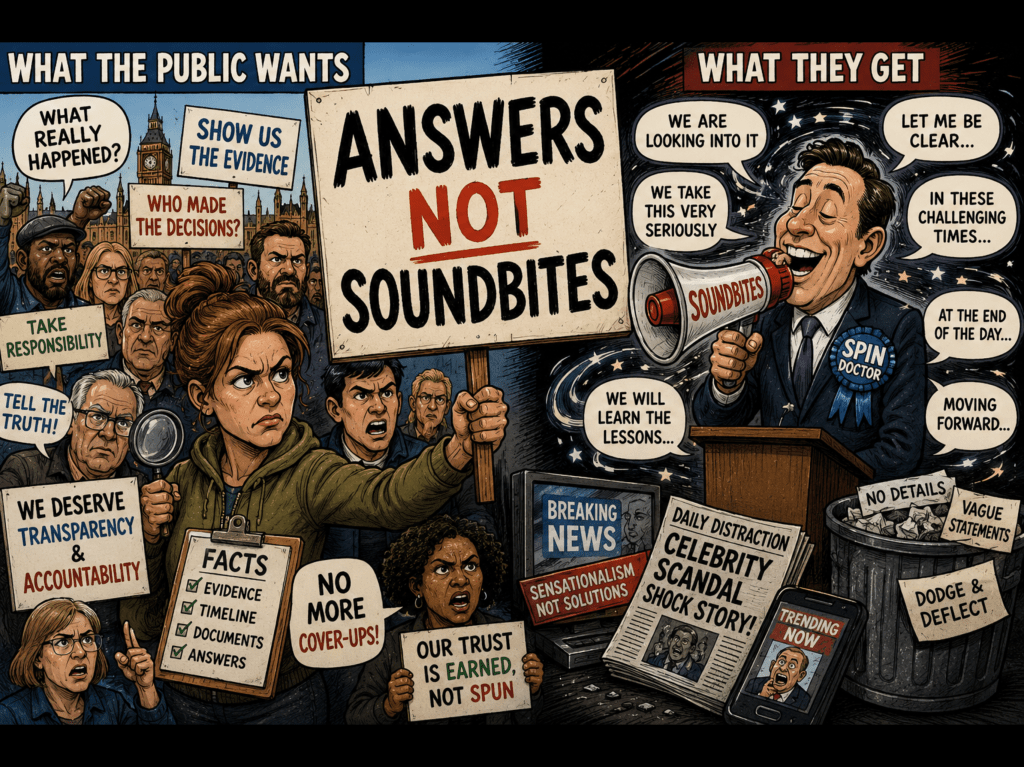
⚖️ The Public Wants Answers, Not Soundbites
The footage has already been seen by countless people.
It has shaped opinions, raised concerns, and generated intense public debate.
Whether those concerns ultimately prove justified or not, they will not disappear because of a single apology.
The public is asking for a full account of what happened.
Many believe that anything less risks creating the impression that accountability is being managed rather than delivered.
🔥 Challenges 🔥
Does a single apology adequately address public concerns, or should there be a broader explanation of the decisions made and actions taken?
What would genuine accountability look like in a case that has generated such strong public reaction?
💬 Join the discussion in the blog comments.
👇 Like, comment and share if you believe transparency is essential for public trust.
🏆 The best comments will be featured in the next issue of the magazine.


 Chameleon Magazine
Leave a comment