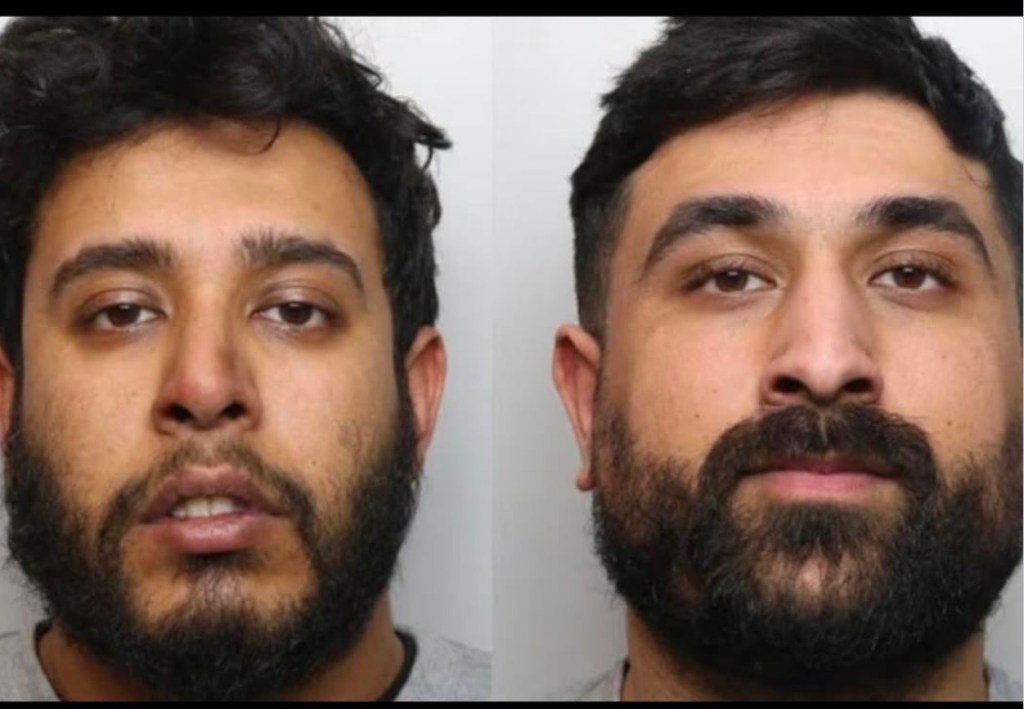
A street dispute escalates into a machete attack. A man ends up in hospital after being stabbed. Later that same day, a revenge petrol-bomb attack is carried out on a home containing a mother and her 13-year-old daughter, leaving both in hospital for weeks.
If you’re wondering what prison sentence followed such shocking violence, prepare yourself.
🚔 Crime Pays Better Than Common Sense
One man received a 22-month prison sentence, suspended for 18 months, alongside unpaid work and rehabilitation requirements.
The other received a 15-month prison sentence, also suspended for 18 months, with unpaid work and rehabilitation requirements.
Both were ordered to pay £500 in costs.
That’s right.
A machete attack. A petrol-bomb attack on a family home. Serious injuries. Hospital treatment.
And nobody is actually going to prison.
For many ordinary people, this is the point where confidence in the justice system starts to crumble. They look at cases like this and ask a simple question:
What exactly has to happen before someone is jailed?
🏠 Imagine If It Was Your Home
Imagine being the mother inside that house.
Imagine being the daughter.
Imagine recovering in hospital for weeks after someone decided to settle a score by setting fire to your home.
Would you feel reassured knowing the perpetrators had been given another chance?
Would you feel justice had been served?
Or would you be left wondering whether the system is more concerned with rehabilitation than protecting the public from violent offenders?
Because that’s the question many people will be asking after reading this case.
⚖️ The Growing Gap Between Crime and Consequences
The public are repeatedly told that violent crime is a serious issue.
We’re told knife crime is an epidemic.
We’re told communities need protecting.
Yet when a case involves machetes, revenge attacks, petrol bombs and innocent victims ending up in hospital, the punishment appears remarkably light.
The danger for the justice system is that every sentence like this widens the gap between what ordinary people expect and what they actually see happening in courtrooms.
And when that gap becomes too large, trust disappears altogether.
Do suspended sentences for offences involving machetes and petrol bombs help maintain confidence in the justice system?
What message do these outcomes send to victims, their families and the wider public?
Let us know what you think in the blog comments. 💬👇
👍 Like, 🔄 Share, and 🗣️ Comment if you believe violent crime should carry meaningful consequences.
🏆 The best comments will be featured in the next issue of the magazine.


 Chameleon Magazine
Leave a comment