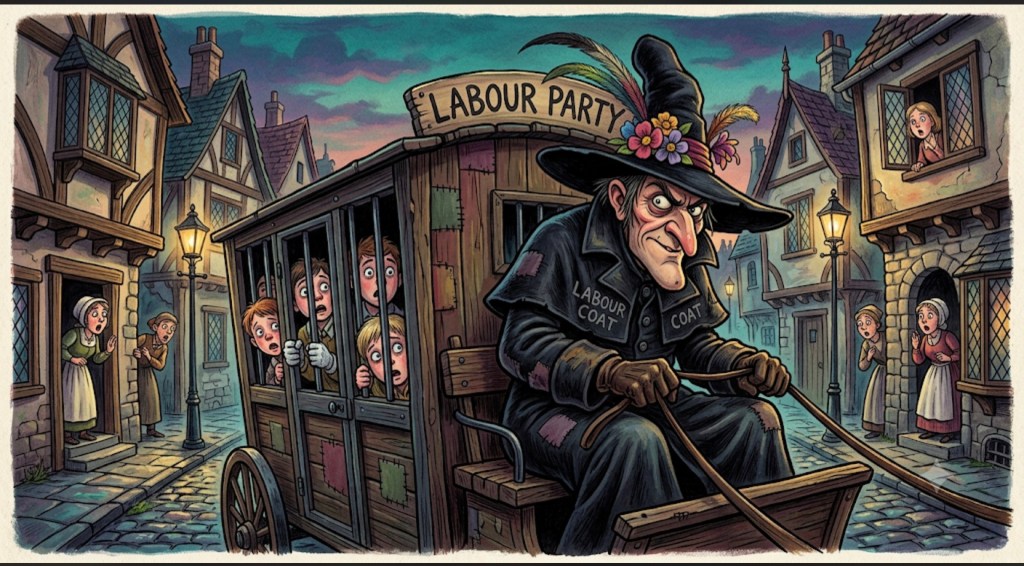
A High Court challenge has failed, meaning a clinical trial involving puberty blockers can now recruit eligible young people, including some as young as 11, under the approved research criteria.
As Andy Burnham steps into office, one of the first major controversies facing the country is the prospect of children being enrolled in a trial involving drugs that have become the centre of one of the most heated medical and political debates of our time.
⚖️ Experiment Today… Compensation Tomorrow?
Supporters argue that’s exactly what clinical trials are for—to gather robust evidence where uncertainty exists. They say properly regulated research is far safer than leaving doctors and families to make decisions without reliable data.
Critics see something very different.
They ask why children should bear the risks of an experimental treatment when the long-term effects are still being debated. Once a child has undergone treatment that affects their development, there is no rewind button.
And that raises an uncomfortable question.
If, twenty years from now, some of those children conclude they suffered avoidable harm and seek compensation through the courts, who will pay?
Will it be the politicians who backed the policy?
The medical experts?
The regulators?
Or will the bill once again land on the taxpayer?
History has shown that when governments and public bodies get major medical decisions wrong, compensation often comes from public funds—not from the individuals who made those decisions.
That’s why many people believe the burden of proof should be exceptionally high before children are enrolled in any treatment trial with potentially lifelong consequences.
Supporters believe the trial is the best way to answer important medical questions.
Critics believe children should not be the ones answering them.
🔥 Challenges 🔥
Where do you stand?
Should clinical trials involving children proceed when experts disagree, provided there are ethical safeguards and informed consent?
Or should treatments with uncertain long-term outcomes wait until there is stronger evidence before children are enrolled?
💬 Join the debate in the blog comments—not just on Facebook. We’d like to hear your view.
👍 Like it. 🔄 Share it. 💥 Get the conversation started.
🏆 The best comments will be featured in the next issue of the magazine.


Leave a comment