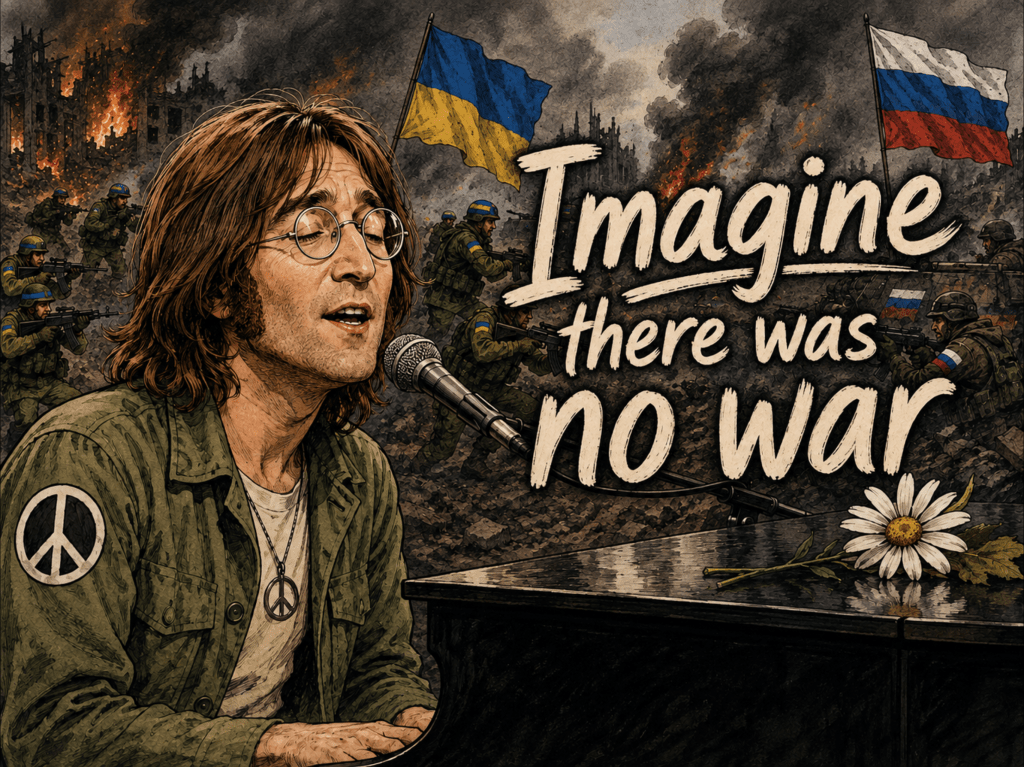
💣💷🕊️Russia has not been defeated. Ukraine has not been restored to its pre-war borders. Europe is spending more on defence, governments are warning citizens to prepare for greater military threats, and taxpayers are once again being told the solution may involve reaching deeper into pockets that already contain little more than lint and a supermarket receipt. 💸
At some point, asking whether the strategy is actually working stops being treason, cowardice or Kremlin fan fiction.
It becomes a perfectly reasonable question.
🚨 Apparently We Have a Shopping List, But No Road Map
Every few months the public gets another update.
Ukraine needs more weapons. Russia might escalate. Europe needs more ammunition. NATO members need higher defence budgets. Governments need greater preparedness. Everyone needs to remain resolute.
Fine.
But resolute towards what, exactly?
Because there appears to be an extraordinary level of detail about the next missile system, artillery package and defence-spending target — and considerably less public explanation of what an achievable political settlement might actually look like.
This is not an argument for Ukraine to surrender.
It is not an argument for rewarding Russia for invading another country.
It is an argument for remembering that wars eventually require something politicians seem increasingly allergic to: politics.
Wars rarely end because opposing leaders suddenly discover mutual respect over herbal tea and biscuits. ☕🍪
They end because somebody eventually negotiates with somebody they dislike, distrust or possibly despise.
That is diplomacy.
Ugly, frustrating, morally uncomfortable diplomacy.
If Ukraine and its allies insist that peace can only come when every Ukrainian and Western demand is satisfied, while Russia insists that any settlement must recognise its own territorial and security demands, then we do not currently have a negotiation.
We have two rival victory conditions staring at each other across a battlefield.
And somewhere in between sits the civilian population, wondering how many more years, billions, funerals and emergency defence budgets are included in the premium package. 📦💣
Supporting Ukraine’s right to defend itself does not require pretending military aid automatically constitutes a political strategy.
Likewise, discussing negotiations does not mean accepting Russia’s claims as legitimate.
A serious government should be capable of holding both thoughts in its head without suffering a constitutional malfunction.
The question is not simply:
“What weapons are needed next?”
The harder question is:
“What political outcome are those weapons supposed to make possible?”
Because if nobody can describe the destination, eventually people are entitled to wonder whether the journey has become the policy.
🔥Challenges🔥
So where is the publicly explained strategy for ending this war?
What would a realistic settlement actually involve? What compromises are conceivable? What guarantees would Ukraine require? What would Russia demand? And which demands should simply be rejected?
Those questions may be uncomfortable — but avoiding them does not make them disappear. 👀
👇 Comment on the blog, like the post and share it with someone who thinks “peace negotiations” is either a brilliant idea or a forbidden phrase.
Tell us what you think an achievable end to this war actually looks like.
The best comments, arguments and gloriously inconvenient observations will be included in the magazine. 🎯📰


Leave a Reply