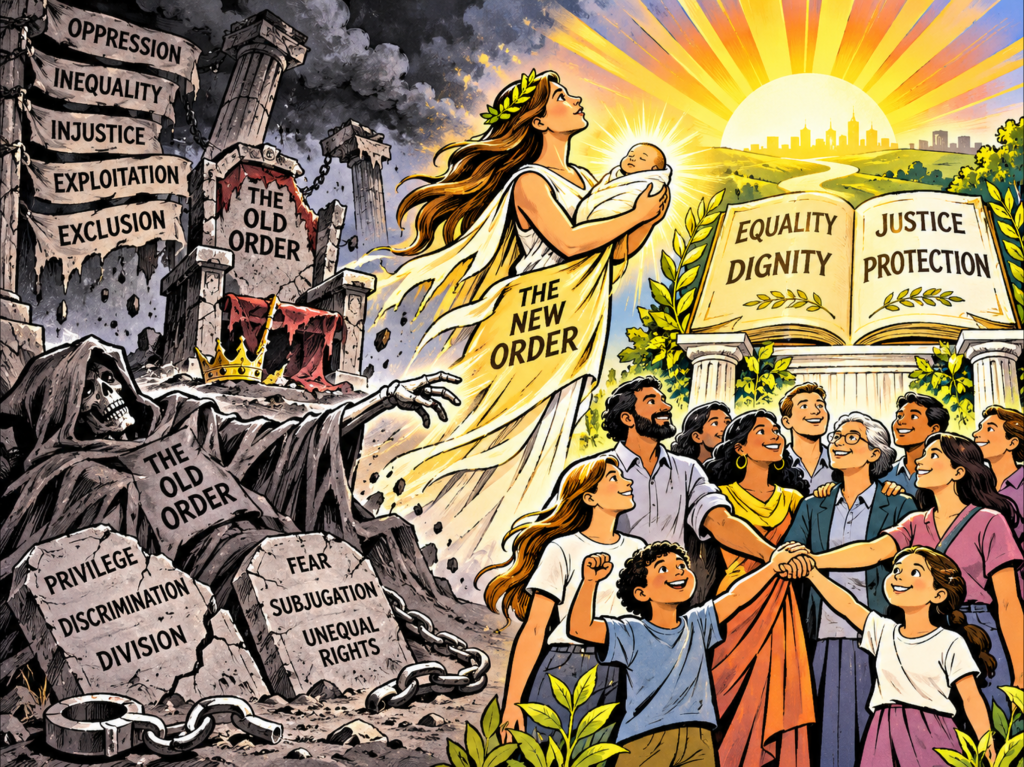
If Britain believes in equality, women’s rights and protecting children, why should any religious book be exempt from the standards we expect of everyone else?
We live in a country that has spent generations changing its laws and moral standards.
We abolished slavery. We recognised women’s equal rights. We strengthened protections for children, challenged discrimination and made practices once considered acceptable punishable by law.
We did these things because society learned, developed and recognised that the past was not always right.
Yet some religious books still contain teachings from centuries ago that have been interpreted as permitting child marriage, the subordination of women, violence within marriage and other practices we now reject.
And somehow, because these words appear in religious scripture, governments are reluctant to question whether they should continue being distributed as acceptable moral guidance.
Why should religion be treated differently from everything else?
A Multicultural Society Needs Common Standards
If Britain is serious about building a multicultural society, then everyone must share certain fundamental responsibilities.
People can believe whatever they choose. They can worship, practise their faith and follow their traditions.
But those freedoms should not give any institution automatic permission to promote behaviour that conflicts with the fundamental rights society has established.
We cannot have one set of expectations for modern citizens and another for religious institutions simply because their teachings are ancient.
The law should establish what is permissible in published material, and those standards should apply equally to religious and secular publications.
Religion Must Evolve With Society
The Quran, Bible and other ancient religious texts reflect societies very different from modern Britain.
That does not mean everything within them is wrong. Many passages encourage compassion, charity, honesty and kindness.
But we should be capable of recognising that some historical teachings are incompatible with contemporary standards of equality and human dignity.
We change laws when they become outdated. We revise educational materials when their teachings are no longer appropriate.
So why should religious institutions be unwilling to reconsider passages that have historically been used to justify exploitation, discrimination or abuse?
Preserving history is one thing. Presenting every historical teaching as unquestionable moral authority is another.
The Next Goal for Government
Governments regularly declare their commitment to protecting women, safeguarding children and fighting discrimination.
But those commitments should lead to a serious examination of the standards governing religious publications and teaching.
I believe the next objective should be a legislative review establishing whether material that actively promotes abuse, coercion or unlawful discrimination should face the same restrictions regardless of whether it appears in a religious book, political publication or other form of media.
Religious institutions should be encouraged to publish modern educational editions that clearly reject teachings incompatible with established legal rights.
Where Parliament considers additional restrictions necessary, it should define them clearly, apply them universally and distinguish the active promotion of abuse from historical documentation or critical discussion.
This is not about telling people what they must privately believe.
It is about deciding what responsibilities institutions have when distributing teachings to the wider public, particularly young people.
We Cannot Build the Future While Demanding Obedience to the Past
Imagine telling someone that because their ancestors believed women were inferior, they must continue believing it today.
Or that because slavery was once accepted, society should preserve it as an acceptable practice.
We would reject those arguments immediately.
Yet when similar historical ideas appear in religious texts, they can suddenly become subjects that politicians hesitate to challenge.
That hesitation deserves examination.
A modern multicultural society should be built around shared civil rights, not competing claims that ancient authority overrides contemporary protections.
One Law. One Standard. Equal Responsibility.
This proposed reform should apply to every religion equally.
It should not matter whether a teaching comes from the Quran, Bible or another religious scripture.
Nor should secular publications be exempt from equivalent standards.
Religious freedom should protect people’s freedom of conscience. It should not automatically shield the promotion of abuse, exploitation or unlawful discrimination from legal scrutiny.
If governments genuinely believe that women and children deserve equal dignity, safety and opportunity, they should be prepared to examine whether the laws governing published material consistently reflect those commitments.
We cannot change history.
But we can decide which lessons from history we choose to teach as acceptable standards for the future.
The next generation deserves a society guided by equal rights and shared responsibilities—not unquestioning obedience to the prejudices of the past.


Leave a Reply