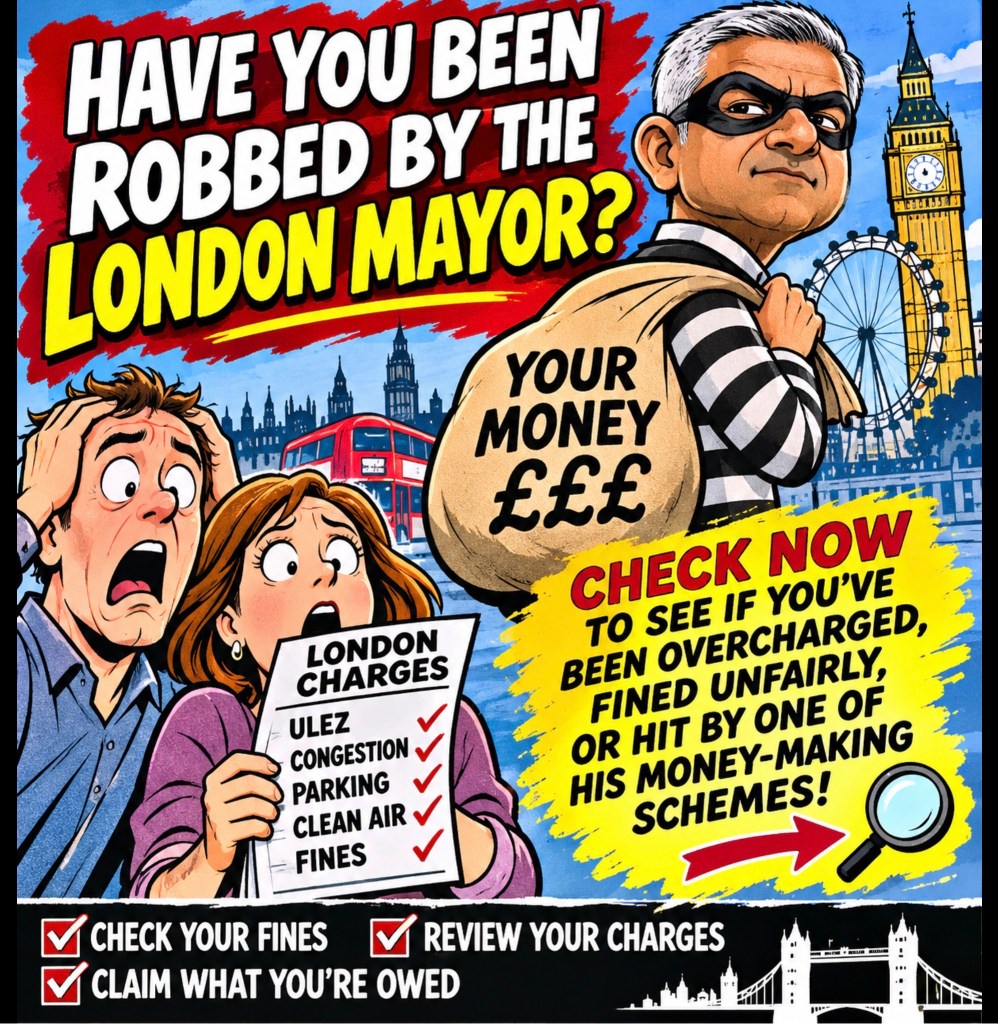
🚗💸Motorists are told to obey the rules, respect the signs, accept the fines, and smile politely while their wallets are surgically lightened. But here’s the awkward little pothole in the road: if a speed limit was unlawfully introduced, then the enforcement built on top of it starts looking less like justice and more like a very profitable administrative bonfire. Road safety matters, of course—but legality is not an optional extra, like heated seats or a cup holder.
When the Rulebook Gets a Speeding Ticket
⚖️🚨Drivers are expected to know every sign, every limit, every camera, every temporary restriction, every mysteriously placed cone guarding absolutely nothing. Miss one detail and the system descends like a hawk in a high-vis vest.
But when the authorities get the law wrong? Suddenly it’s all fog, files, “processes,” and someone in an office saying, “Lessons will be learned,” which is usually official code for “please stop asking questions before we find the shredder.”
If a speed limit was not lawfully introduced, then the people fined under it deserve more than a shrug wrapped in bureaucracy. They deserve refunds. They deserve penalty points removed. They deserve insurance consequences corrected where possible. And they deserve a clear explanation written in plain English, not a 47-page council séance full of “stakeholders,” “frameworks,” and “robust procedures.” 📄🕯️
And if there are allegations of a cover-up? Investigate them properly. Not with the same enthusiasm as a council pothole repair request from 2019, but with actual independence, actual transparency, and actual accountability.
Because road safety cannot become the magic phrase that makes legality disappear. You cannot slap “safety” on unlawful enforcement and pretend the whole thing is noble. That’s not public protection. That’s a speed camera wearing a halo while counting coins. 😇💰
The public will support fair enforcement. They will not support being treated like mobile cash machines with number plates.
Trust is the real casualty here. Once motorists believe the system is more interested in revenue than rules, every fine starts to look suspicious, every camera starts to look predatory, and every official explanation sounds like it was typed by a panic-stricken committee hiding behind a filing cabinet.
🔥Challenges🔥
Here’s the question: if ordinary drivers must obey the law to the letter, why shouldn’t the authorities be held to the exact same standard?
Were motorists protected—or milked? Was this road safety, or roadside revenue dressed up in reflective tape? Drop your view in the blog comments and tell us whether refunds, removed points, and a full investigation should be the bare minimum. 💬🚗
👇 Comment, like, and share if you think the people enforcing the rules should have to follow them too.
The best comments will be included in the magazine. 🎯📝


Leave a Reply